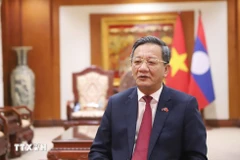
Tokyo (VNA) – Resolution 72-NQ/TW issued by the Politburo on September 9, 2025, which sets out breakthrough measures to strengthen the protection, care and improvement of public health, provides a timely and strategic opportunity to restructure Vietnam’s healthcare system in a more modern, equitable and sustainable direction, according to Vietnamese oncologist Pham Nguyen Quy.
The head of the Department of Medical Oncology at Kyoto Miniren Central Hospital told the Vietnam News Agency (VNA) that the resolution places strong emphasis on equitable access to basic healthcare, especially for low-income and remote populations, while linking health policy to goals of longer life expectancy, better quality of life, and balanced attention to both physical and mental health.
He noted that the resolution’s focus on strengthening grassroots healthcare, increasing investment in local health stations, expanding health insurance coverage, and promoting science, technology and digital transformation aligns closely with the approaches adopted in advanced healthcare systems.
From his experience working in Japan, Quy said overseas Vietnamese medical professionals can make meaningful contributions by sharing policy expertise, clinical guidelines and healthcare management models, as well as supporting training programmes, clinical trials and professional exchanges between Vietnam and international partners.
He highlighted Japan’s long-established universal health insurance system, which allows residents to access medical services nationwide at regulated prices, while prioritising primary care, early screening and chronic disease management to ease the burden on major hospitals. Japan has also built a comprehensive ecosystem for elderly care, combining insurance coverage with community-based services, nursing facilities and home-based care.
However, Quy cautioned that Japan’s system also faces mounting pressures from population ageing and rising costs of advanced treatments, with more than 70% of hospitals currently under financial strain, underscoring the importance of long-term financial sustainability.
Drawing lessons from that experience, he said Vietnam should increase healthcare spending as a share of GDP, reinforce universal health insurance, and enhance the gatekeeping role of primary care, including palliative and end-of-life services.
He added that these reforms must go hand in hand with cost control, digital health records and effective community-based chronic disease management.
In oncology and the treatment of severe diseases, Quy noted that targeted therapies and immunotherapies are increasingly transforming care worldwide, improving survival and quality of life. Yet their high costs and technical requirements make it essential to develop pathology, genetic testing and multidisciplinary care systems before large-scale deployment.
Based on more than a decade of cooperation with domestic hospitals, he said Vietnam could prioritise participation in regional multicentre clinical trials, gradually build capacity for pharmaceutical and biotech production, and selectively adopt proven advanced therapies—while stressing that early detection and treatment remain the most effective tools for reducing cancer mortality.
In the long term, Quy said that to build a resilient healthcare system capable of meeting the challenges of ageing, emerging diseases and rising expectations for quality care, Vietnam must continue to strengthen primary and preventive care, invest in human resources, accelerate digitalisation and big data development, and refine healthcare financing mechanisms. Selective international cooperation in areas such as oncology, cardiology, geriatrics and infectious diseases will also be crucial to realising the goals of Resolution 72./.