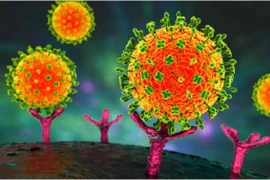
Bangkok (VNA) – Thai authorities on January 26 said that several species of fruit bats in the country carry highly virulent strains of Nipah virus, but the greater threat comes from infected individuals arriving from countries currently experiencing outbreaks.
Dr Sophon Iamsirithaworn, deputy permanent secretary for health, told reporters the Nipah virus was found in fruit bats in Thailand, but at a lower viral density than in countries where there were outbreaks of the disease.
Officials aimed to prevent Nipah virus outbreaks by banning pig farms from areas where it occurred in bats. This prevented the bats transmitting the virus via pigs to humans.
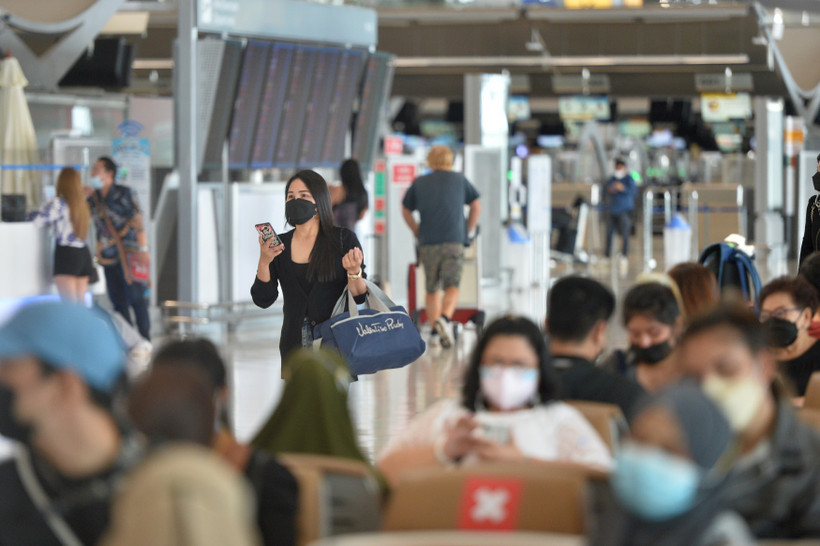
There has not been a confirmed case in Thailand. There are concerns in other countries, especially in Bangladesh and West Bengal state in India. Although these countries are far from Thailand, surveillance is necessary because there are direct flights from there to Suvarnabhumi, Don Mueang and Phuket airports, Dr Sophon said.
Screening of visitors from infected countries continued at these airports, he said. Officials focussed on passengers who had a fever or showed respiratory symptoms, and on those who had the past 21 days been in an area where there was an outbreak of the disease, he said.
Dr Jurai Wongsawat, spokeswoman of the Department of Disease Control, said there were Bangladesh and Malaysian strains of Nipah virus. The Bangladesh strain was more dangerous, the fatality rate quite high, and it caused respiratory symptoms.
Dr Arkom Chaiwerawattana, director of the Queen Sirikit National Institute of Child Health, said young children were a vulnerable group where Nipah virus was concerned, because their symptoms were less noticeable than in adults. The disease was serious in young children and caused severe encephalitis (inflammation of the brain).
Infected young children could suffer from slow development, learning impairment and epilepsy in the future, Dr Arkom said./.