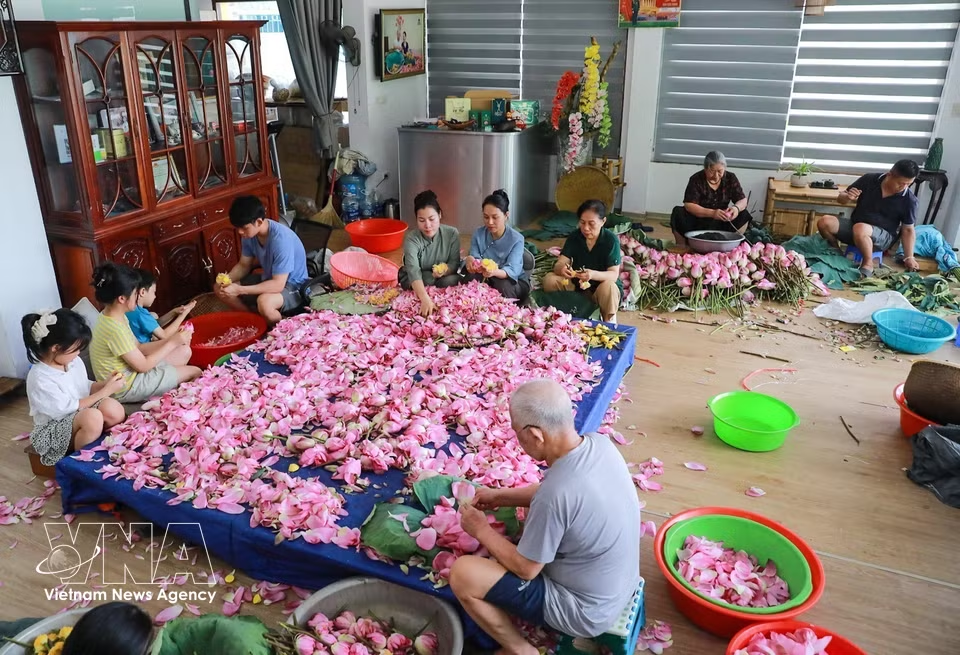
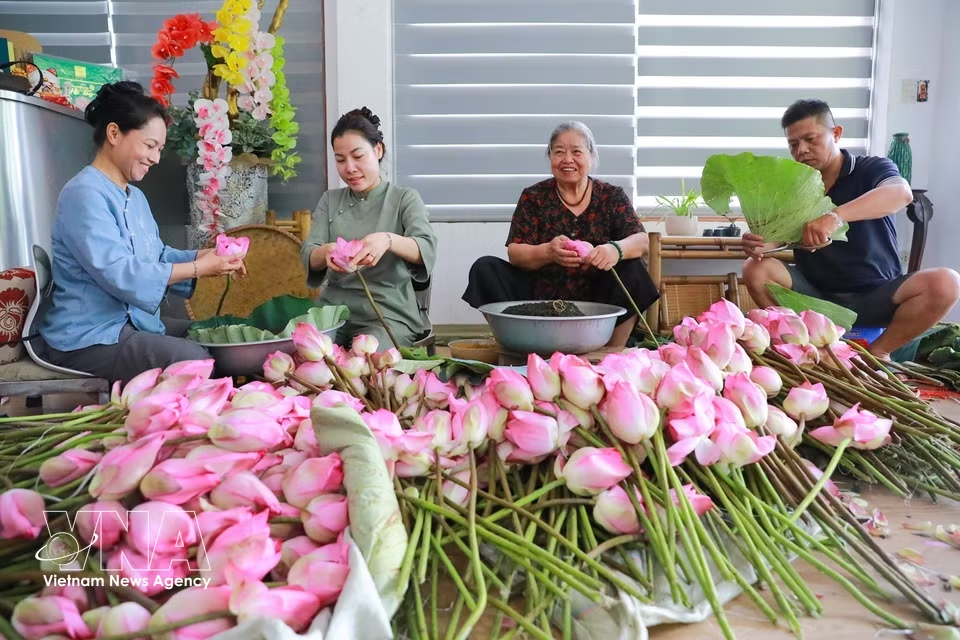
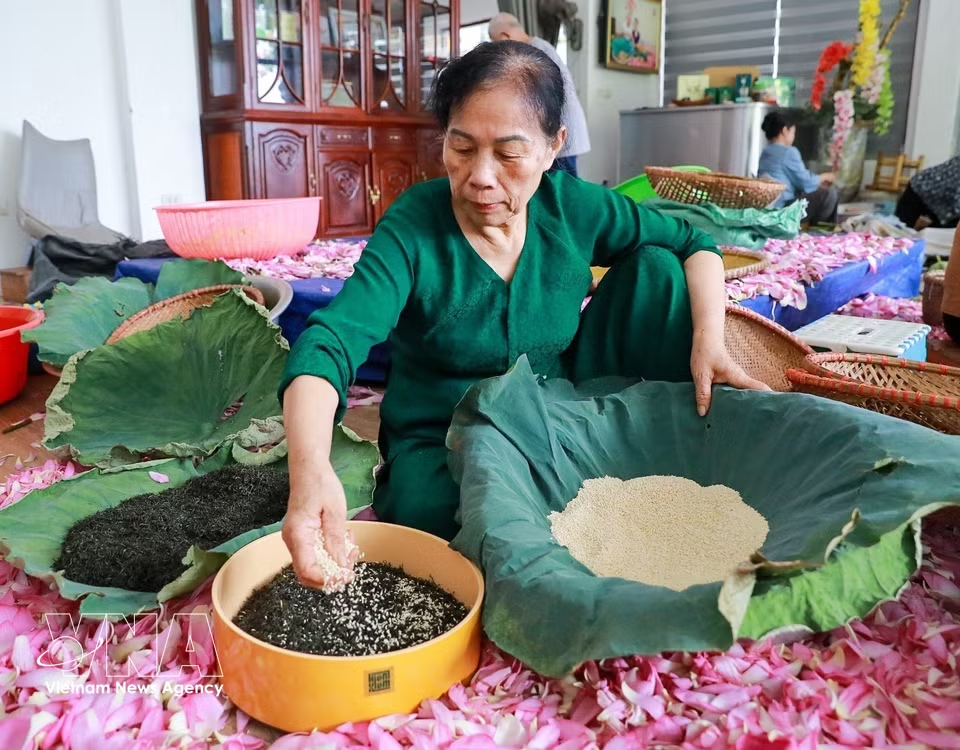
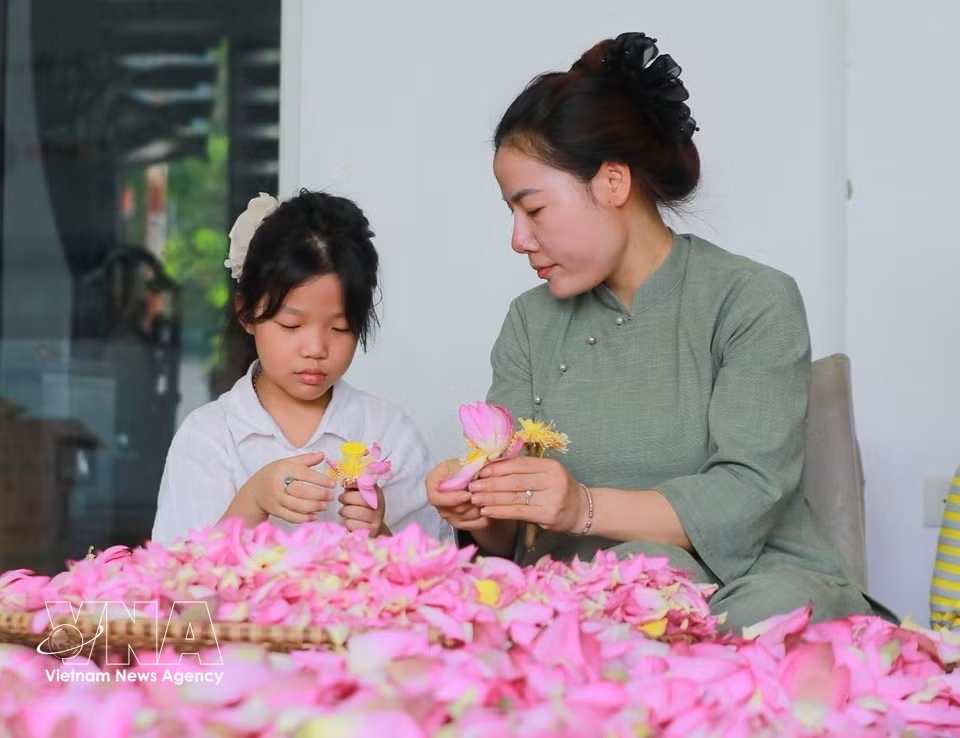
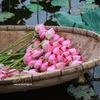
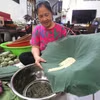
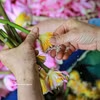
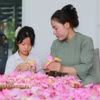
The family of artisan Ngo Van Xiem (Tay Ho Ward) carrying out various stages of lotus tea scenting. (Photo: VNA)
The tea-scenting steps are meticulously and swiftly distributed among family members to ensure the best possible aroma retention. (Photo: VNA)
Scenting green tea is the pivotal stage of this traditional craft. (Photo: VNA)
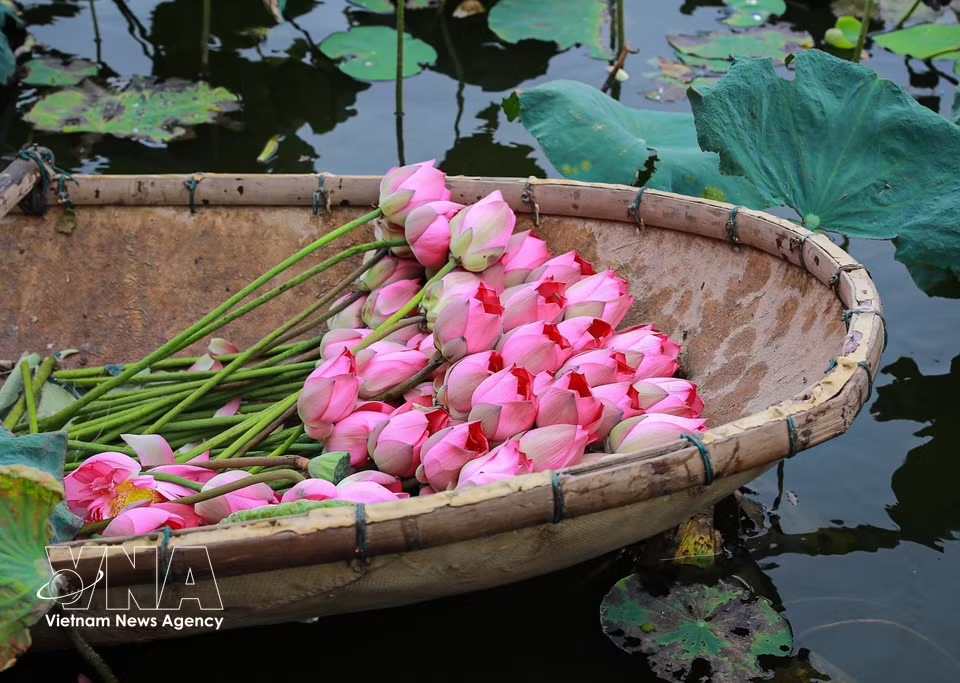
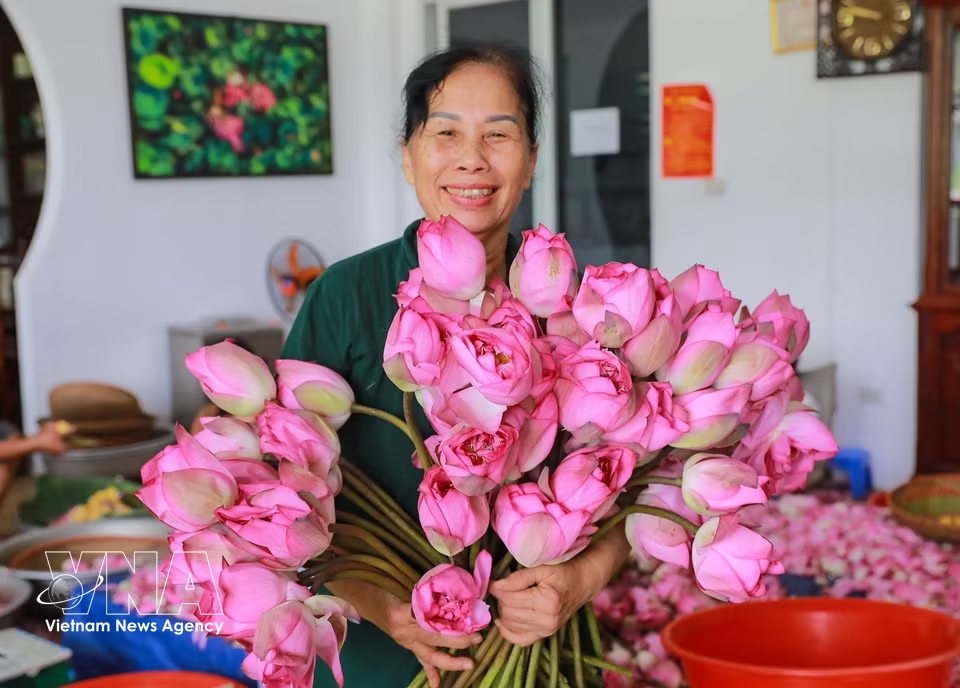
Freshly picked from the lake, the lotus blooms are immediately processed for scenting to preserve their peak fragrance. (Photo: VNA)
Scenting green tea is the pivotal stage of this traditional craft. (Photo: VNA)
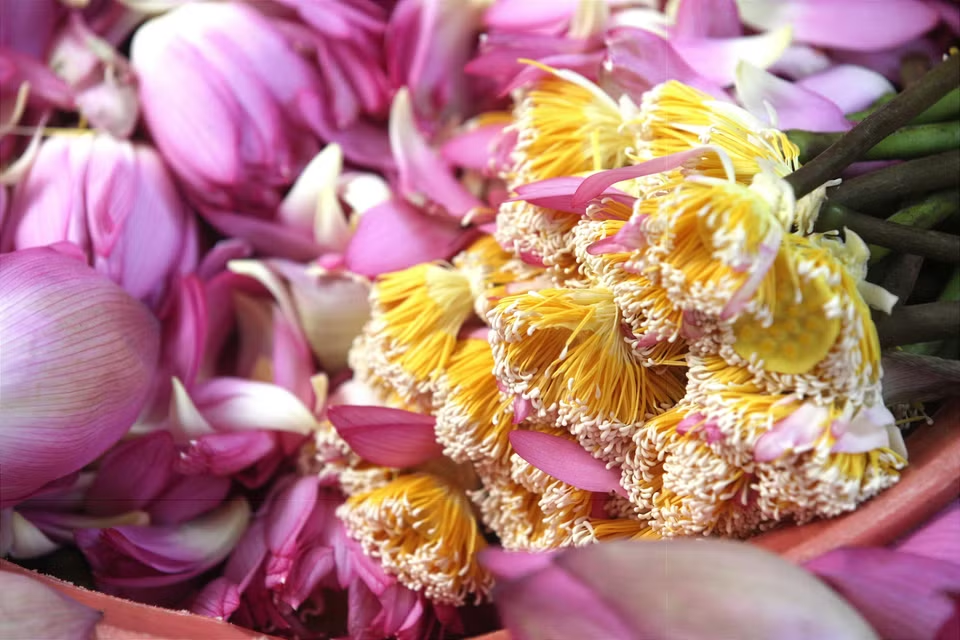
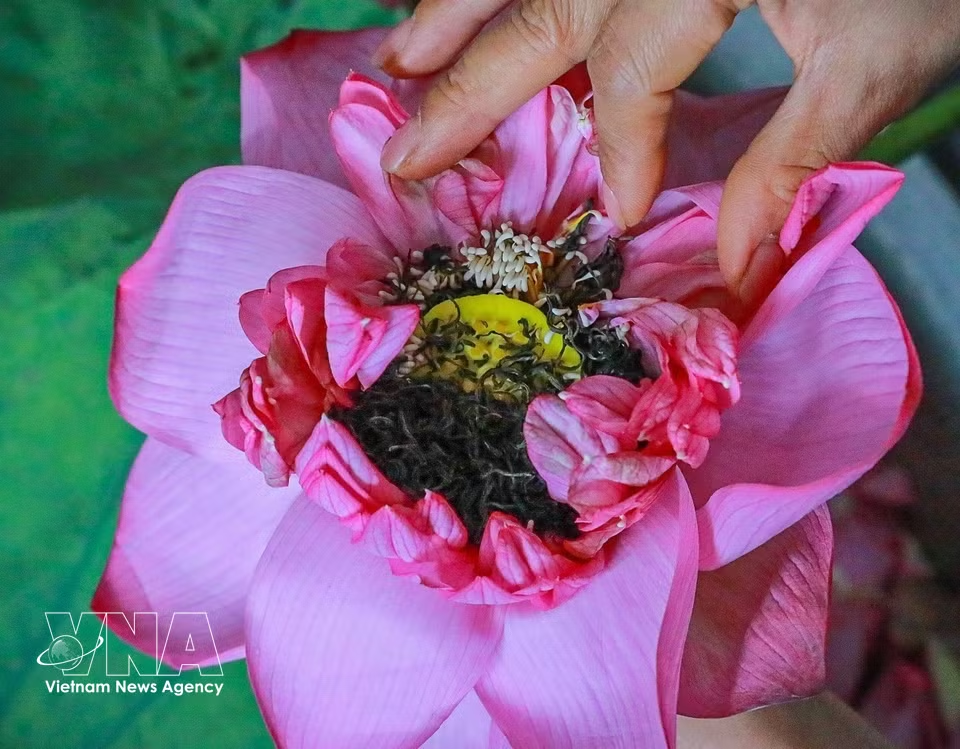
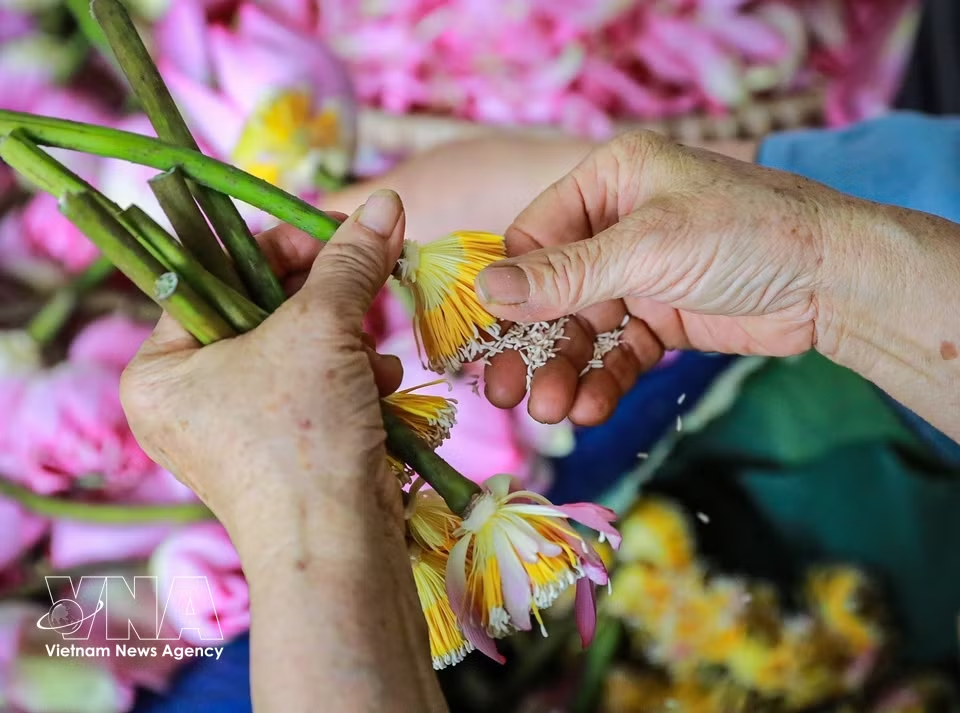
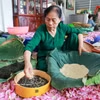
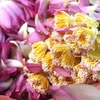
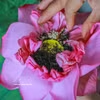
Lotus anthers (commonly referred to as lotus ‘rice’ or gao sen) - the white, grain-like tips of the lotus stamens - contain the highest concentration of fragrance and are considered the blossom’s “scent sac”. (Photo: VNA)
Though less intricate than traditionally scented tea and with a subtler aroma absorption, flower lotus tea offers the advantages of quick preparation and large-scale production, while still allowing tea drinkers to savour the distinctive fragrance of West Lake’s Bach Diep lotus. (Photo: VNA)
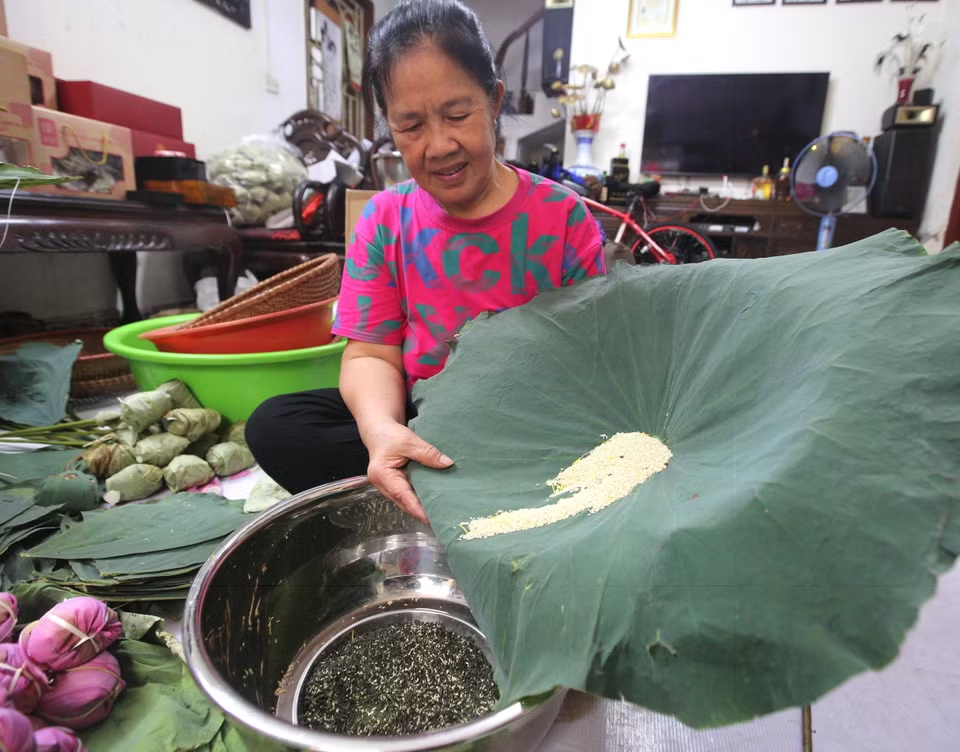
Extracting the lotus “rice” is deemed the most challenging step, requiring quick hands and immense dexterity to prevent crushing the anthers, which would cause the fragrance to dissipate and degrade the tea’s quality. (Photo: VNA)
The lotus tea-scenting craft in Quang An boasts a long-standing history, passed down through generations and executed entirely by hand. (Photo: VNA)
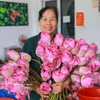
Bach Diep lotus buds at the half-open stage, ready for the tea-scenting process. (Photo: VNA)
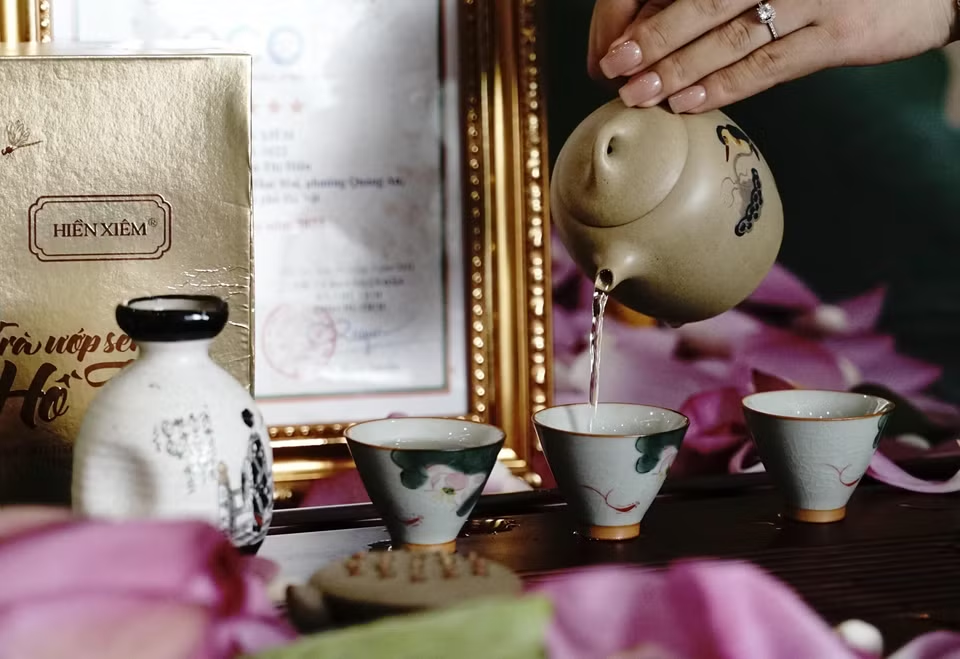
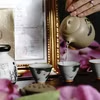
Quang An lotus-scented tea is a world-renowned premium delicacy of Hanoi, frequently served at official tea ceremonies hosting foreign heads of state. (Photo: VNA)
0
1
2
3
4
5
6
7
8
9
10

The craft of Quang An lotus-scented tea

Hailed as the “supreme tea of all time”, Quang An lotus-scented tea in Tay Ho Ward, Hanoi, represents the pinnacle of the capital city’s culinary heritage. The harmonious combination of the sweet, subtle flavour of green tea and the pure fragrance of West Lake’s Bach Diep (hundred-petal) lotus creates a precious delicacy deeply rooted in Hanoi’s cultural identity.