Hanoi (VNA) — Deputy Minister of Construction Le Anh Tuan highlighted significant achievements in transport infrastructure over the past five years and lessons for implementing major projects in the coming term at a press conference in Hanoi on October 9 on preparations for the first Government Party Congress for the 2025-2030 tenure.
The official emphasised that developing infrastructure, especially transport, is a crucial and leading task, serving as the economic “lifeblood” of the nation.
Infrastructure expansion directly fuels economic growth and spatial development, he said, noting that the 13th National Party Congress identified breakthroughs in transport infrastructure as a strategic priority.
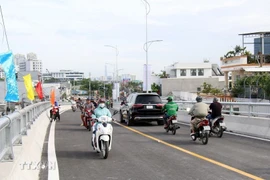
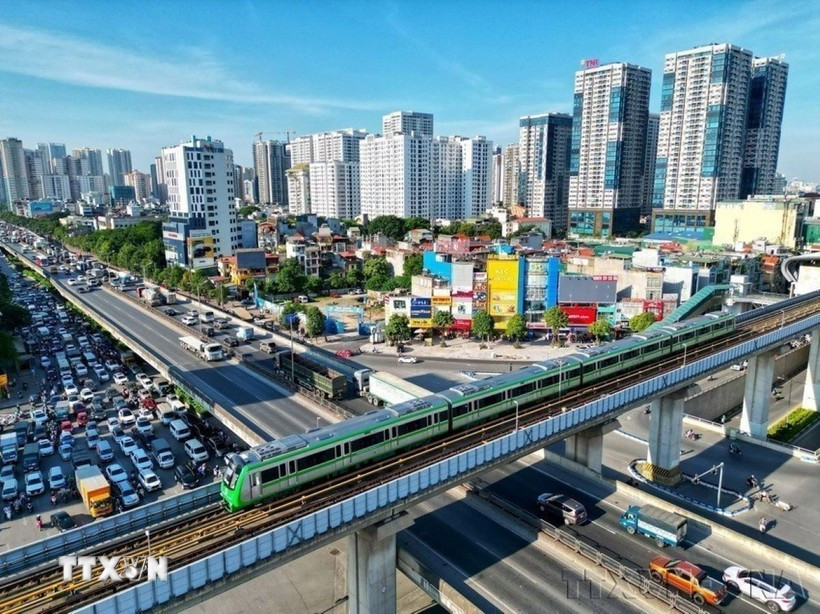
Between 2020 and 2025, Vietnam made remarkable progress in infrastructure development, notably exceeding the target of 3,000km of expressways and completing the first phase of Long Thanh International Airport in the southern province of Dong Nai. It also established two major international ports - Lach Huyen (Hai Phong) and Cai Mep (Ho Chi Minh City) - that can accommodate the world’s largest container ships. Launching urban railways such as Cat Linh - Ha Dong and the elevated section of Nhon - Hanoi Station in Hanoi, , Ben Thanh - Suoi Tien in Ho Chi Minh City; and approving key national railway projects rounded out the developments.
Tuan stressed the importance of closely following Party policies and State laws, coupled with determined leadership and clear responsibility assignment based on the principle of clear implementers, tasks, timelines, responsibilities, outcomes, and authority. Proper allocation of resources is essential for effective implementation, he added.
He also underscored the need to improve the legal framework by institutionalising Party policies, investing in a modern and synchronised transport system, stepping up decentralisation of authority, and mobilising resources for sustainable economic growth while leveraging advances in science and technology.
A modern, integrated transport infrastructure will reduce logistics costs, which have already decreased from 21% of GDP in 2018 to 15-16% today. Further reductions are anticipated. The development of strong economic groups with adequate capital, modern management, and advanced technological capabilities will be key to constructing large-scale infrastructure works.
The Ministry of Construction plans to support enterprises in science, innovation, digital transformation, and manufacturing transport equipment, encouraging joint ventures that mobilise capital, transfer technology, and localise production. This includes nurturing auxiliary industries like material and rolling stock manufacturing to meet increasing demands.
Tuan reaffirmed the ministry's commitment to continuous legal reforms and comprehensive infrastructure planning, while proposing mechanisms to attract social investment in the field./.