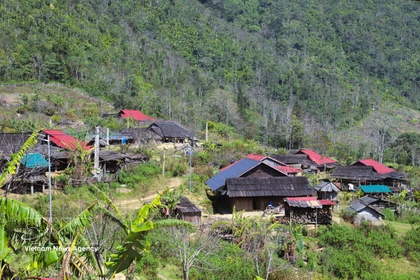
Huoi Man – A “sky-high” hamlet where wood and stone architecture reigns
Nestled in the remote border area of Nghe An province, Huoi Man hamlet is often affectionately referred to by local residents and visitors as the “hamlet at the top of the sky.”
Nestled in the remote border area of Nghe An province, Huoi Man hamlet is often affectionately referred to by local residents and visitors as the “hamlet at the top of the sky.”
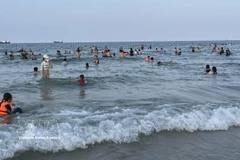
Cua Tung, Cua Viet and Con Co special zone are identified as three key destinations of marine tourism, and to transform this “tourism triangle” into premium and peaceful resorts, a new strategy is needed to enhance attractiveness to high-end travellers seeking private spaces as the strength of these places lies in their pristine and tranquil beauty.
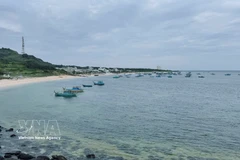
Under a resolution of the provincial Party Congress for the 2025–2030 term, the locality prioritises spatial planning of the marine economy, focusing on emerging sea-based industries linked with environmental protection and national defence. Located 56 nautical miles offshore, Phu Quy is a central pillar of this vision.
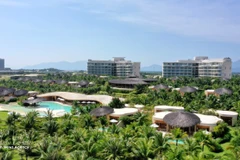
With its comprehensive transport infrastructure, world-class bays, and a diverse tourism ecosystem, Khanh Hoa is regarded as one of Vietnam’s leading coastal tourism hubs. To rise into the ranks of top destinations in the region and globally, the central province is working to complete strategic infrastructure while attracting investment to develop in-depth and high-end tourism products.
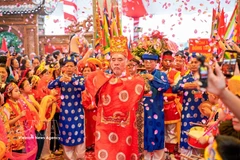
Shifting focus to nearby markets is emerging as the most suitable option at present. Asian visitors already account for more than 70% of international arrivals in Vietnam, with Southeast Asia and India offering strong growth potential.
Operating on principles of voluntariness, non-profit orientation, transparency and sustainable development, the association aims to facilitate experience sharing, mutual support, business cooperation, brand building, and the enhancement of Vietnamese women’s position in the modern era.

Overseas Vietnamese are expected to serve as a strategic on-site force in promoting and distributing Vietnamese goods, maintaining traditional markets and expanding access to reputable retail systems and global supply chains, particularly in countries with large Vietnamese communities.
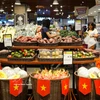
The State Bank of Vietnam set the daily reference exchange rate at 25,106 VND/USD on April 6, down just 1 VND from the last working day of the previous week.

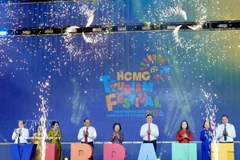
Participating businesses unveiled new tour itineraries and bundled service packages, with discounts of up to 50% available for both domestic and outbound tours.
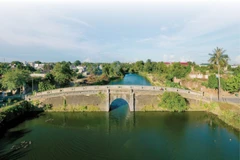
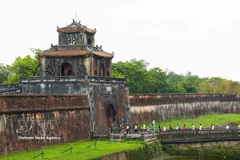
The Ngu Ha River, an artificial waterway dating back to the Nguyen Dynasty (1802–1945), runs through the heart of the Imperial City and historically served as a transport route, defensive line, and key landscape axis. In recent years, it has mainly functioned for drainage and environmental regulation. The reopening of the waterway is expected not only to restore its transport role but also to unlock its cultural and scenic value as a heritage river.
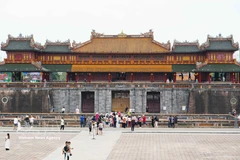
Tourism promotion activities should be further strengthened in a more focused and effective manner, targeting key markets and popular destinations, said an insider.
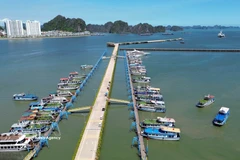
The new passenger transport scheme, jointly implemented by the two localities, is designed to facilitate seamless travel across the heritage zone and materialise their cooperation commitments following UNESCO’s recognition of the Ha Long Bay–Cat Ba Archipelago complex.
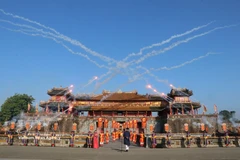
From April 24 to May 2, the “Imperial Cuisine Space” at the Hue Imperial Citadel will open each afternoon, offering visitors an immersive culinary experience combining royal court gastronomy with traditional local flavours. The venue is expected to become a popular stop before evening tours of the citadel.

Vietnam’s tourism sector continues to show resilience and a shift toward more sustainable growth, supported by steady demand and evolving travel preferences.
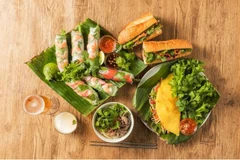
The findings, derived from a survey of Asian travellers as part of Agoda’s 2026 Travel Outlook Report, reveal that 35% of Vietnamese travellers cite food as a key reason for travel, placing Vietnam among Asia’s top foodie markets.
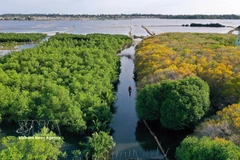
Hue aims to become one of Vietnam’s top green tourism cities by 2030, moving towards net-zero tourism by 2050.

The selection of Son Doong as a filming location by one of the world’s most prestigious television programmes is considered a significant media milestone for Quang Tri’s tourism sector as well as for the World Natural Heritage site of Phong Nha – Ke Bang National Park.
According to the Tourism Information Centre under the Vietnam National Authority of Tourism (VNAT), since the COVID-19 pandemic, the number of Filipino visitors to Vietnam has recovered and grown impressively. Filipino tourists are particularly fond of destinations such as Da Nang, Sa Pa, Phu Quoc and Nha Trang, as well as Vietnam’s distinctive cuisine.

Key highlights include a showcase of Gia Lai’s culinary arts, a pickleball tournament, an investment promotion conference, a tourism economic development forum, and cooperation signing events with four southern provinces of Laos and three northeastern localities of Cambodia.
Vietnam’s tourism market is being reshaped as rising costs and cautious spending push travellers toward shorter, more flexible, and experience-led trips.
Gia Lai identifies tourism as one of its five key economic pillars, aiming to develop its tourism sector toward 2030 in a sustainable, professional, and culturally distinctive direction, with culture, nature, and people at the core, while promoting digital transformation and regional connectivity as key drivers.
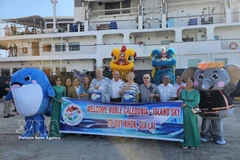
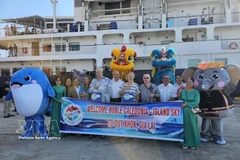
During the stopover, approximately 79 passengers joined shore excursions to well-known local landmarks, including Ong Nui Pagoda and the Twin Towers. Visitors also enjoyed performances of traditional Binh Dinh martial arts and explored distinctive cultural features of the locality.
During the period, the city has welcomed more than 1.9 million visitors, up 31.3% year-on-year. Of the total, international arrivals exceeded 843,000, rising 26.7%, while domestic visitors reached over 1.05 million, up 35.2% compared with the same period last year.

In the strong current of the creative economy, many countries no longer view fairs and exhibitions as mere event venues, but position them as distinctive destinations offering multi-layered value to modern cities.
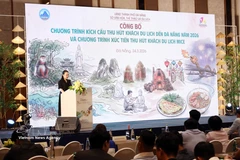
The city targets welcoming around 19.1 million visitors in 2026, including 8.7 million international arrivals. It expects that synchronised stimulus and promotion efforts will enhance visitor experience, add value, and foster sustainable tourism development
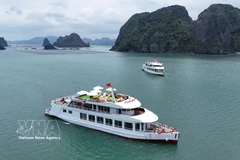
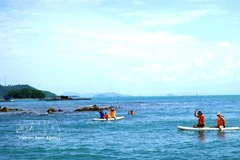
Highlights include kayaking and swimming in emerald green waters, and eco-tours that explore the awe-inspiring natural wonders of Bai Tu Long National Park. There are also multi-day excursions that allow tourists to get a closer look into the local culture and daily life in the fishing villages.
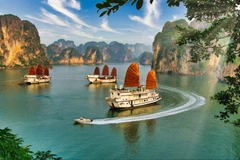
From the otherworldly Ha Long Bay with its sprinkling of column-like islands, to the delicious cacophony of Ho Chi Minh City’s food markets, Vietnam is too often overlooked in favour of its larger neighbour Thailand, despite offering more competitive prices.
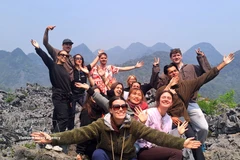
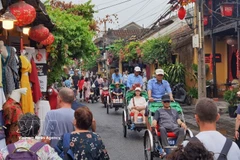
If Ha Giang represents the beauty of space, Hoi An embodies the beauty of time. Ha Giang evokes both geological grandeur and human stories while the ancient town stands out not only for its distinctive visual charm but also for its vibrant living environment and its rare ability to preserve a natural connection between heritage and contemporary life.