Hanoi (VNA) – Plastic pollution, often referred to as "white pollution” due to the widespread use of single-use plastics, represents a significant environmental challenge for many countries, including Vietnam, requiring it to take urgent actions to address this alarming problem, according to experts.
Vietnam facing serious challenges from plastic waste
The rapid population growth, economic development, and advancements in science and technology, which have led to the proliferation of more convenient materials, have all contributed to a sharp increase in the volume of plastic products used annually in Vietnam. According to statistics from the Ministry of Agriculture and Environment, approximately 1.8 million tonnes of plastic waste are generated in Vietnam every year, with between 0.28 - 0.73 million tonnes of this waste ending up in the oceans. Only 27% of plastic waste is recycled or repurposed by businesses and facilities.
Vietnam is facing serious challenges from plastic waste, with the average household using around 1kg of plastic bags per month. In the two largest cities, Hanoi and Ho Chi Minh City, around 80 tonnes of plastic waste and plastic bags are discarded into the environment each day. However, the capacity to process and recycle plastic waste remains limited, with 90% of it being disposed of through landfilling or incineration, and only 10% being recycled. This creates a significant environmental burden, which could lead to a “white pollution” disaster.
Natural resources and environment experts explained that plastic waste typically manifests in forms such as straws, bottle caps, and plastic bags — all materials derived from organic chemicals like PE plastic. When not disposed of properly, plastic waste can directly harm the air and water quality. Specifically, burning plastic waste releases toxic substances such as dioxins and furans, which pollute the air, cause poisoning, disrupt endocrine systems, weaken the immune system, and increase the risk of cancer.
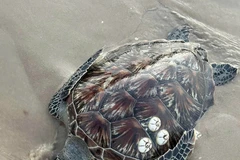
Burying plastic waste also harms the environment by preventing the soil from retaining water and nutrients, blocking the passage of oxygen through the earth, and damaging the growth of plants. Furthermore, plastic waste can take hundreds or even thousands of years to decompose. As a result, the accumulation of plastic waste, whether scattered on land or in water surface, leads to “white pollution,” which has a devastating effect on the wildlife, microorganisms, and even humans, they said.
Solutions to reducing plastic waste
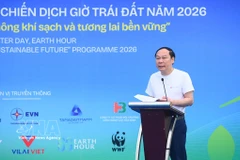
Deputy Minister of Agriculture and Environment Le Cong Thanh said that Vietnam, like many other countries, has implemented various policies aimed at reducing plastic waste. Notably, the Environmental Protection Law 2020 introduced Extended Producer Responsibility (EPR), a major step forward in Vietnam's environmental policy. This law mandates that producers and importers are responsible for collecting, recycling, and processing their products and packaging once consumers discard them, including plastic packaging.
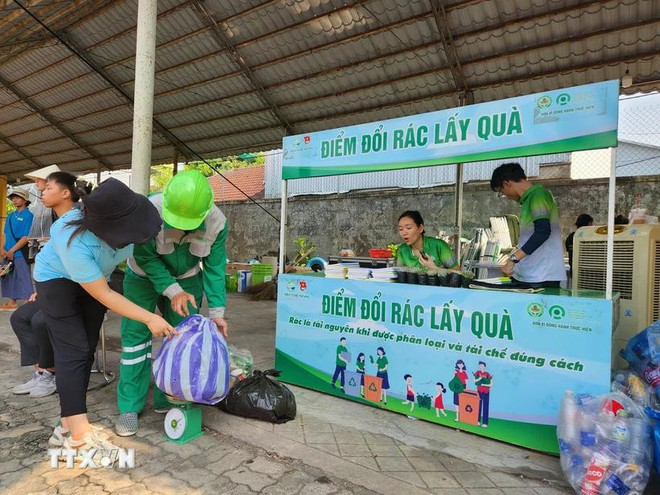
Additionally, Decree No. 08/2022/ND-CP, which provides detailed regulations on some provisions of the Environmental Protection Law, stipulates that, from January 1, 2026, Vietnam will cease the production and import of non-biodegradable plastic bags smaller than 50cm x 50cm. By December 31, 2030, the production and import of single-use plastic products and non-biodegradable plastic packaging will also be banned.
Thanh held that to effectively enforce laws reducing plastic waste, authorities must quickly review and propose regulations for managing plastic waste. This includes creating a roadmap to limit the production and import of single-use plastics, non-biodegradable packaging, and products containing microplastics.
Producers and importers should be held accountable for recycling their plastic products and packaging, with eco-labels introduced for environmentally friendly products. There should be a strong focus on advancing recycling technologies and developing alternatives to non-biodegradable plastics, the official added.
Environmental experts urged the Government to introduce policies that support environmentally conscious businesses and recycling efforts. This includes accelerating research and transferring technologies to recycle plastic waste into useful products, while prioritising investment in plastic waste collection and recycling infrastructure, and improving waste sorting at source.
They also pointed out the need for local authorities to implement and expand successful models for waste collection, sorting, and processing at source, ensuring that systems are in place for efficient waste management, and honour organisations, communities, and businesses that implement effective, innovative solutions to reduce plastic waste at all levels, promoting environmental protection and sustainability./.