Vietnam adopts strategy to build modern, sustainable retail market

Vietnam targets average annual growth of 11–11.5% in total retail sales of goods and consumer service revenue by 2030, along with 15–20% in e-commerce sales, accounting for 15–20% of the total.

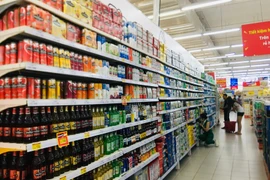
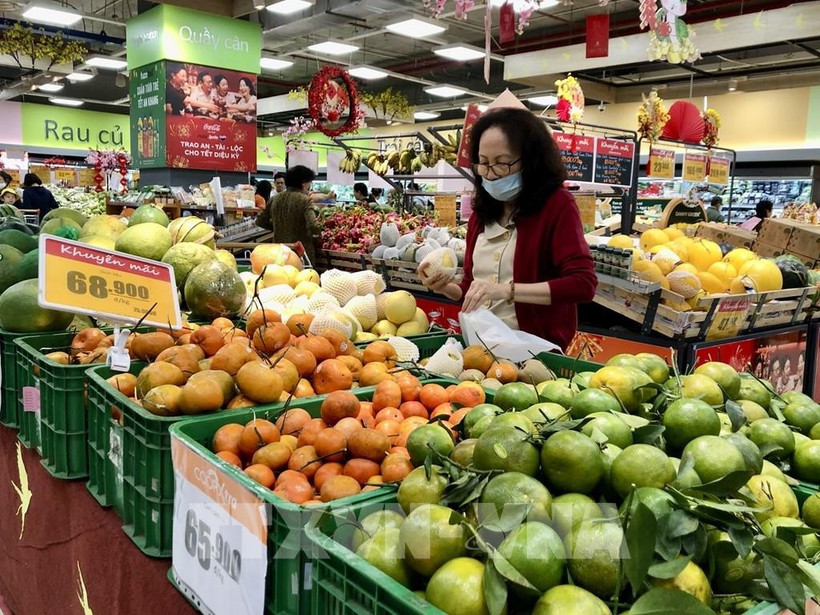
Domestically grown fruits are sold at a retail outlet. (Photo: VNA)

Hanoi (VNA) – Prime Minister Pham Minh Chinh has approved a strategy for developing Vietnam’s retail market through 2030, with a vision to 2050, under Decision No. 2326/QD-TTg.

The strategy envisions a civilised, modern, and sustainable retail market aligned with domestic trade development orientations, international commitments, and development trends of e-commerce, the digital economy, the green economy, and the sharing economy. It aims to better connect production and consumption, stimulate domestic purchasing power, and promote Vietnamese goods globally, thereby helping enhance Vietnamese products' competitiveness and enable omestic retailers to further engage in the global retail market.

Vietnam targets average annual growth of 11–11.5% in total retail sales of goods and consumer service revenue by 2030, along with 15–20% in e-commerce sales, accounting for 15–20% of the total. Besides, 40–45% of small and medium-sized enterprises (SMEs) are expected to join online platforms.

Under the strategy, retail market policies will be gradually perfected while the business environment improved to shape a fair, transparent, and competitive market attracting capable and reputable retailers. Vietnamese businesses will be encouraged to promote innovation and adopt modern retail models.

All economic sectors will be supported to develop the retail market through suitable forms and scales. Meanwhile, preferential financial and land mechanisms and policies will be created for the formation of a core domestic distribution force. Large distribution enterprises will take shape, with private firms playing the core role in market development.

The strategy also looks to diversify retail formats, promote modern distribution systems such as supermarkets and convenience stores, and integrate multi-channel models combining e-commerce with traditional retail. Investment will focus on developing mixed commercial and service complexes centred around traditional markets and shopping streets.

Strong development of modern and multi-channel retail forms such as online, mobile, television, and social media-based retail is a priority. In addition, the legal framework will be improved to facilitate businesses’ research and operation of digital trading platforms using advanced technologies, and ensure fair treatment among retail types in line with international law and practices.

The strategy highlights the establishment of supply chain linkages between production and distribution, particularly for essential agricultural and food products, to ensure supply – demand balance and strengthen food safety management. It also promotes sustainable and eco-friendly supply chains and the development of environmentally certified products.

Besides, the country aims to assist with businesses' digital transformation and expand cross-border trade through online platforms./.

VNA
See more

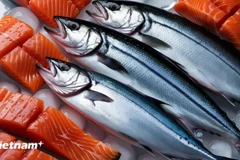
Seafood section with a wide range of products. (Illustrative photo: VNA)

Processed seafood industry seeks stronger foothold in domestic market

As seafood exports face growing challenges from the global economic slowdown, technical barriers in importing markets, and rising input costs, developing the domestic market is increasingly seen as a strategic direction to stabilise production, maintain supply chains, and reduce dependence on external markets.

Party General Secretary To Lam (R) receives China’s Luxshare-ICT Group Vice Chairman Wang Laisheng in Hanoi on November 15. (Photo: VNA)

Party Chief receives Vice Chairman of China’s Luxshare-ICT Group

Party General Secretary To Lam affirmed that the Party and State consistently welcome foreign enterprises to invest and succeed in Vietnam, pledging equal treatment for all investors and continued efforts to improve the business environment towards greater fairness, transparency and convenience.

Illustrative photo (Photo: VNA)

Vietnam Online Shopping Day – Online Friday 2025 opens

Vietnam Online Shopping Day – Online Friday 2025 is not only the biggest online shopping event of the year, but also spreads the message of smart, responsible and sustainable consumption, contributing to promoting the strong development of Vietnam's digital economy in the new era.

Thi Khui, Director of Bu Lach Organic Cashew Cooperative, signs a cashew purchasing cooperation agreement with a representative of Intersnack Vietnam Cashew Company Limited. (Photo: Dong Nai Newspaper)

Ethnic woman grows cashew cooperative's international success

With strong support from local authorities, Khui persuaded 165 farming households to adopt organic cultivation practices. The cooperative now oversees a raw material area of 1,000 hectares, establishing a solid foundation for large-scale organic production.

The 20th meeting of the Vietnam-RoK Joint Economic Committee takes place in Seoul on November 14. (Photo: VNA)

Vietnam, RoK seek new drivers to advance comprehensive cooperation

The RoK is also Vietnam’s largest foreign investor. As of the end of September, Korean investors operated 10,301 valid projects with combined registered capital of 94.2 billion USD, topping both capital value and number of projects among 154 countries and territories investing in Vietnam. Korean enterprises contribute roughly 30% of Vietnam’s total export value.

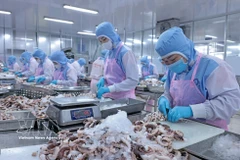
Workers process aquatic products for exports. (Photo: VNA)

Workshop seeks to boost agro-forestry-aquatic exports to EU

Participants underlined the importance of complying with the EU’s strict standards, stepping up national branding, developing green and clean products aligned with European consumer preferences and, particularly, embedding cultural value and compelling Vietnamese stories in each product.