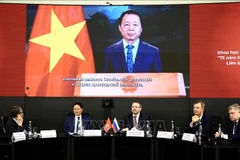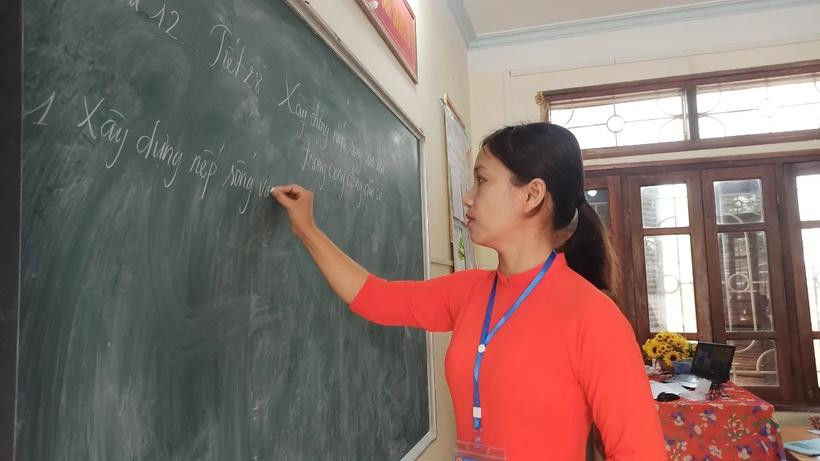
Hanoi (VNA) - More than 150 policymakers, lawmakers, education administrators, teachers, and representatives from over 10 international organisations and non-governmental organisations (NGOs) in Vietnam contributed their opinions on the draft Teachers’ Law at a workshop on November 26.
The event, held by the Ministry of Education and Training, sought to learn from international experience in building policies and legal frameworks for teachers in the context of globalisation.
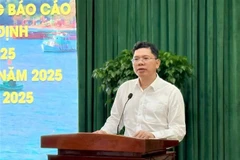
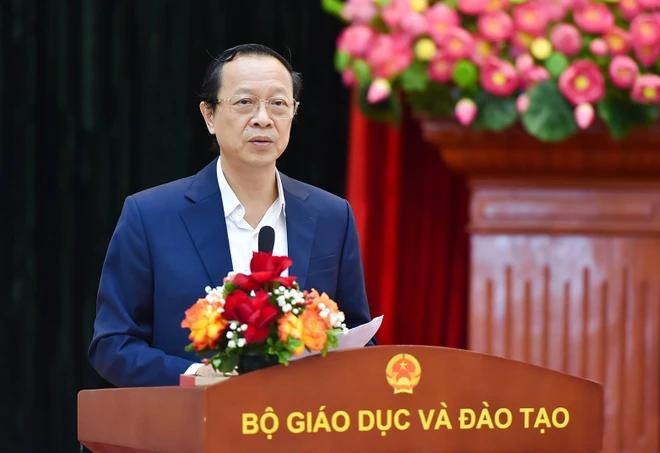
In his opening remarks, Deputy Minister Pham Ngoc Thuong stated that the event was part of the ministry’s efforts to consult and collect opinions to complete the Teachers’ Law currently being drafted by the ministry.
The draft law has been submitted by the Government to the National Assembly for the first consideration during its ongoing 8th session, and is expected to be passed at the next session scheduled for June 2025. If approved, it will provide a legal framework for teachers to contribute to the national education reform process, Thuong affirmed.
Miki Nozawa, in charge of the education programme at UNESCO Vietnam, emphasised the crucial role of teachers in ensuring the quality of education, and noted that the development of the Teachers’ Law demonstrates the Vietnamese government's commitment to placing teachers at the heart of the education system.
She called for re-commitment to empowering teachers, who are the foundation of our education system, and affirmed that UNESCO will Vietnam in this process.
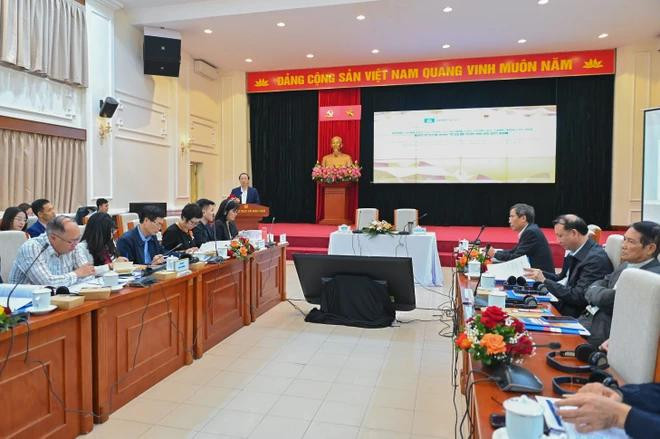
Speakers provided a global overview, affirming the need for a comprehensive legal framework with policies that prioritise teachers. They also shared international experience in policy development, as well as solutions to enhance their status.
A 2021 UNESCO report by the International Commission on the Futures of Education, titled “Reimagining our futures together – a new social contract for education”, said in a new social contract for education, teachers must be at the centre, and their profession must be revalued and reimagined as a collaborative effort that sparks new knowledge, driving transformation in education and society.
Valerie Djioze, UNESCO Education Programme Specialist in Teachers Section, introduced the "Teacher Policy Development Guide" that addresses how policy elements interact with one another, integrating it into broader education plans that align with national development strategies.
A specific lesson on the Teachers’ Law of China was shared by Professor Li Tingzhou from Shanghai Normal University, highlighting the status of teachers, increasing their salaries, and granting schools more autonomy in recruitment.
Participants also shared valuable lessons for Vietnam, such as promoting the professionalisation and improving the quality of teachers, and increasing the attractiveness of the profession through benefits, income, and opportunities for professional development.
Deputy Minister Thuong stated that the ministry will pay due heed to the international experience of their valued partners, while ensuring alignment with the practical realities, economic conditions, and cultural and social contexts of Vietnam. The Teachers’ Law is not merely a consolidation of existing legal documents but must inspire teachers in their contributions./.