Hanoi (VNA) – Vietnam has voiced the country’s support for substantive reform of the United Nations Security Council (UNSC) to enhance the body’s representativeness, effectiveness and efficiency.
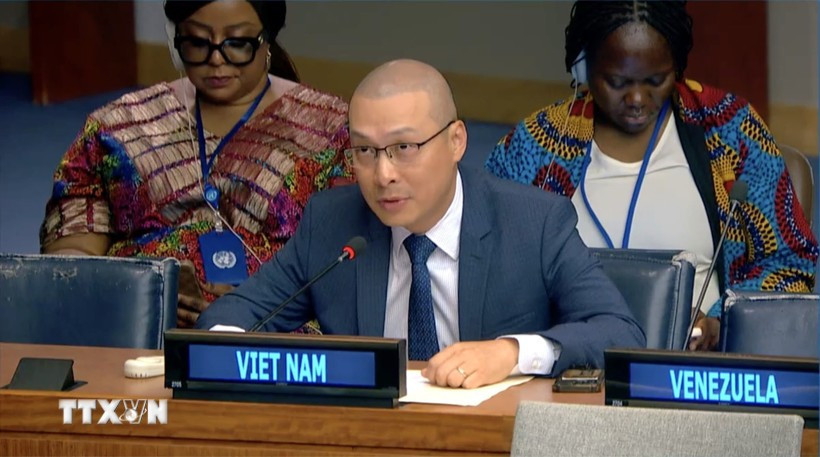
At the first plenary meeting of the Intergovernmental Negotiations (IGN) process on UNSC reform within the framework of the 80th session of the UN General Assembly in New York, Vietnam made the statement at a discussion that launched this year’s series of negotiations on one of the UN’s most critical, complex and long-standing reform agendas.
The meeting was co-chaired by the Ambassadors and Permanent Representatives of Kuwait and the Netherlands to the UN, with broad participation from UN member states. It marked the start of in-depth discussions in 2026 on UNSC reform, a key pillar of overall UN reform.
At the meeting, many countries and groups underscored the necessity of reforming the UNSC to better reflect current geopolitical realities. Delegates exchanged diverse views on the scope of reform, the expansion of membership categories, working methods, the use of the veto, as well as negotiation pathways and timelines.
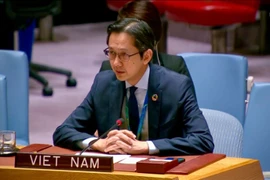
Addressing the meeting, Minister-Counsellor Nguyen Hoang Nguyen, Chargé d’Affaires ad interim of the Permanent Mission of Vietnam to the UN, reaffirmed Vietnam’s strong commitment to multilateralism and to the UN’s central role in maintaining international peace and security. He stressed that UNSC reform is an urgent requirement to improve the Council’s democracy, representativeness, transparency and effectiveness.
Vietnam continues to support the expansion of both permanent and non-permanent membership of the UNSC, based on ensuring equitable geographical representation and enhancing the voice and participation of developing countries, he said.
Regarding working methods, Vietnam highlighted the need to improve the UNSC’s transparency, inclusiveness and effectiveness. This includes strengthening substantive exchanges between the council and UN member states, and enhancing the quality of interaction between the UNSC and the General Assembly. Permanent members, he noted, should exercise restraint and use the veto cautiously, in line with the purposes and principles of the UN Charter.
On the IGN process, Vietnam expressed hope that discussions in 2026 will help narrow differences on an overall reform model, creating a foundation for substantive negotiations in the time ahead. Vietnam reaffirmed that it will continue to engage in the IGN process with a constructive, responsible and cooperative spirit, and stands ready to make active contributions to joint efforts to advance UNSC reform towards concrete outcomes that meet the demands of the new situation and the legitimate interests of all UN member states./.
UN Human Rights Council 2026–2028: Vietnam commits to addressing shared human rights concerns
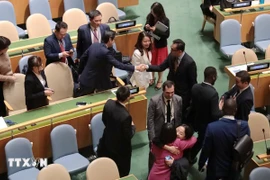
On October 14 at United Nations Headquarters, the UN General Assembly elected members of the Human Rights Council for the 2026–2028 term. Vietnam was re-elected with the highest number of votes among candidates representing the Asia–Pacific region, underscoring the international community’s recognition and high regard for the country.