Hanoi (VNA) – Vietnam, once scarred by war, has written a remarkable story of resilience, rising from poverty to become a symbol of determination. From the hardship and hunger that gripped millions after 1975, the country has achieved extraordinary poverty reduction, inspiring the world.
From war-torn nation to a model of poverty reduction
When the war ended, Vietnam faced a shattered economy, destroyed infrastructure and an extreme poverty rate exceeding 70%, according to the World Bank. Ensuring survival for millions while rebuilding the nation was an immense challenge. Recognising that poverty was not only an economic issue but also a political, social and humanitarian one, the Party and State launched the Doi Moi (Renewal) in 1986. These reforms laid the foundations for growth, though meaningful results began to appear only in the early 1990s.
In 1993, 58.1% of households lived below the national poverty line. By 2002, the figure had fallen to 28.9%, lifting more than 30 million people out of poverty within a decade. Between 2002 and 2012, the poverty rate dropped further, to 9.6%. Vietnam not only met but achieved ahead of schedule the United Nations Millennium Development Goal on poverty reduction, winning international praise. By 2020, the poverty rate had declined to 4.8%.
A turning point came in 2016, when Vietnam adopted a multidimensional poverty standard. Instead of defining poverty only by income, the new approach measured deprivations in five areas: health, education, housing, clean water and sanitation, and access to information.
This shift allowed policymakers to identify households that, despite having incomes above the poverty line, still lacked basic living conditions. It also made poverty reduction more sustainable by targeting quality of life rather than economic growth alone. By the end of 2024, the national multidimensional poverty rate had fallen to 1.93%.
This success has been driven by concrete and comprehensive policies. The National Target Programme on Sustainable Poverty Reduction has mobilised tens of trillions of dong annually, while Programme 135 and Government Resolution No. 30a of the Government have channelled resources to the poorest districts and ethnic minority communities.
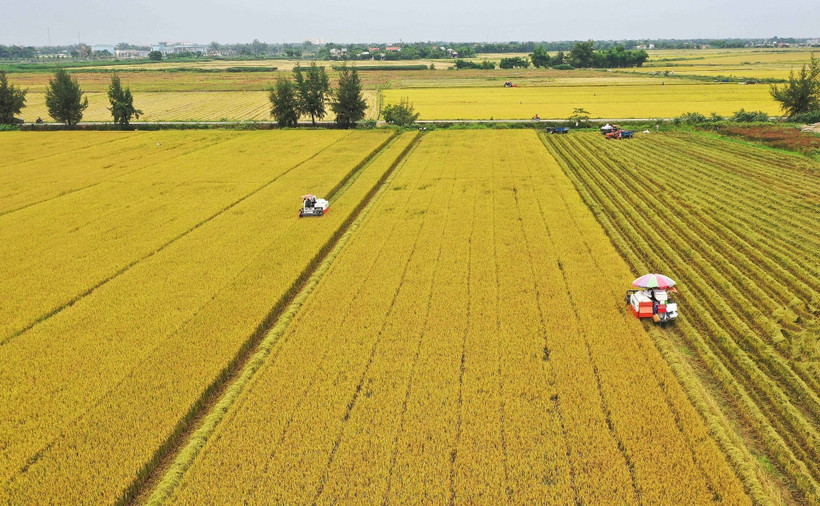
Investments have included not only roads, schools and clinics but also support for farming, forestry and land allocation, helping households to build livelihoods rather than rely solely on subsidies.
The Vietnam Bank for Social Policies has become a lifeline for millions of poor households, offering preferential loans to fund small businesses and farming, while other policies have provided free health insurance, tuition exemptions and housing support. Together, these initiatives have built a robust social safety net, ensuring that “no one is left behind.”
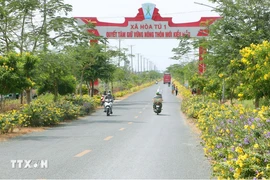
The results are visible nationwide: electricity reaching remote villages, concrete roads replacing muddy tracks, and children in mountain communities attending school.
A model recognised globally, challenges ahead
International recognition has followed. The World Bank has hailed Vietnam as one of the world’s greatest poverty reduction success stories, while UNDP’s Human Development Reports consistently rank Vietnam among countries with high HDI, highlighting progress in the economy, education and healthcare. UNDP Resident Representative Ramla Khalidi noted that Vietnam has much to be proud of in poverty reduction, with economic gains shared fairly and only a small minority still facing extreme poverty. She observed that rapid, sustainable growth and job creation have been key drivers, alongside a structural shift from agriculture to industry and services. She stressed the Government’s central role through national target programmes on poverty alleviation, rural development, and efforts to achieve universal access to education and healthcare.
At the 2024 G20 Summit, Prime Minister Pham Minh Chinh highlighted Vietnam’s achievements as a model in poverty reduction. From a war-torn, embargoed nation, Vietnam pursued a multidimensional and inclusive approach, addressing gaps in healthcare, education, housing, clean water and the living environment, enabling it to meet the UN Millennium Development Goals 10 years ahead of schedule.
He outlined three key lessons: prioritising social welfare, equity and the environment over mere economic growth; ensuring food security with agriculture as the economy’s backbone; and placing people at the centre of development, with investments in human capital, science, technology and innovation.
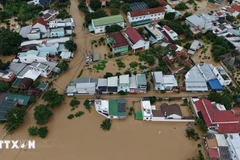
Vietnam recognises that the fight against poverty is ongoing, with persistent challenges including high poverty rates in some ethnic minority areas, a widening income gap, and risks of relapse due to natural disasters, pandemics and climate change.
The principle of “leaving no one behind” has become a guiding compass for all policies in Vietnam. Over more than three decades, its poverty reduction journey, driven by Party leadership, effective governance, political consensus and the determination of its people, has transformed the country from a war-torn nation into a global development success story. This legacy of resilience provides the strength for Vietnam to move towards becoming a high-income country, where poverty will remain only in history./.