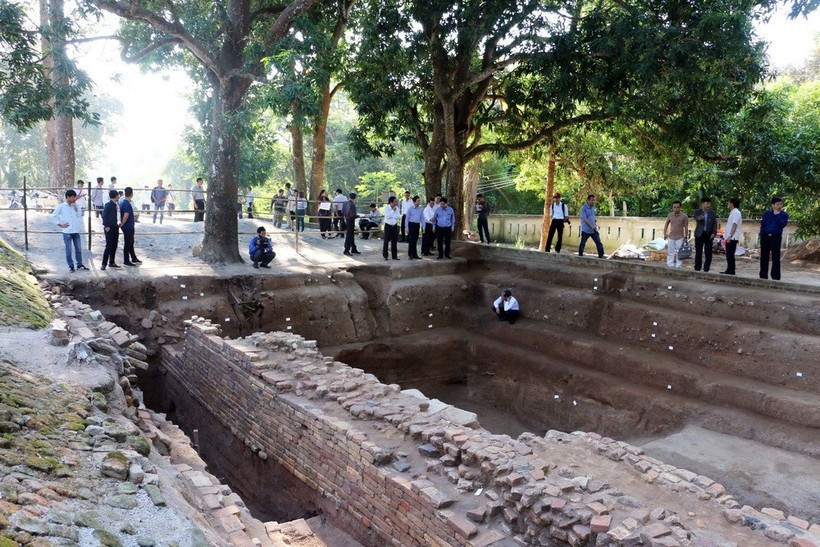
An Giang (VNA) - The Mekong Delta province of An Giang is seeking to promote the the Oc Eo-Ba The archaeological site, which possesses significant potential to become a cultural highlight of unique tourism in Vietnam.
The Oc Eo Civilisation, located in Ba The area of Oc Eo commune, thrived between the 1st and 7th centuries, leaving behind numerous relics across An Giang. Oc Eo Mound was the first site to reveal significant traces of this ancient civilisation, and today, the name "Oc Eo" is used to refer to all related archaeological sites across the region.
Acknowledging the exceptional heritage of this civilisation, the dossier for the "Oc Eo-Ba The Archaeological Site, An Giang province" (draft version) was recently approved by Deputy Prime Minister Mai Van Chinh, authorising the Minister of Culture, Sports and Tourism to submit it to UNESCO's World Heritage Centre for recognition. The submission was set to be made before September 30.
This ancient heritage is expected to gain World Heritage status soon, opening new opportunities for local tourism development.
An ancient heritage of exceptional value
The Oc Eo-Ba The archaeological site is one of the most historically and culturally significant sites in the Mekong Delta, classified as a Special National Heritage Site by the Prime Minister in 2012. The dossier for UNESCO nomination is a strategic move that highlights the government's commitment to preserving and promoting the values of the once-prosperous Oc Eo Civilisation.
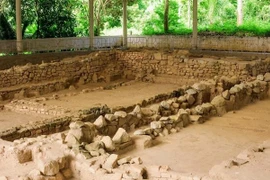
Archaeological research and excavations have shown that Oc Eo-Ba The was not just an ancient city but also a major trading port and religious centre, where both Buddhism and Hinduism coexisted. Since 1944, French archaeologist Louis Malleret led excavations that uncovered numerous relics, including evidence of a fortification system, confirming Oc Eo as a bustling urban centre and trade hub for the ancient Funan Kingdom. The site connected trade routes between Rome, India, China, and the and West Asia.
Subsequent decades of excavations have uncovered a vast array of artifacts and relics, confirming Oc Eo as the bustling urban center of the ancient Funan Kingdom and a key hub where international trade routes from Rome, India, China, and West Asia converged.
Since its classification as a Special National Heritage Site in 2012, a comprehensive research initiative has catalogued over 80 related sites across An Giang. Many valuable artefacts have been donated to the Oc Eo Cultural Museum, with 10 items recognised as national treasures.
On January 4, 2022, UNESCO included Oc Eo-Ba The on the tentative list for World Heritage status, and the recent approval of the dossier by Deputy Prime Minister Mai Van Chinh has raised hopes for official recognition.
Tourism development from heritage
The Oc Eo-Ba The archaeological site is renowned for its architectural relics, habitation sites, burial grounds, workshops, and water systems, all of which are key highlights of its heritage.
Given these exceptional values, Oc Eo-Ba The holds immense potential to become a cultural and tourism icon for Vietnam. Experts predict that in the future, this site could evolve into a major domestic and regional tourism destination. However, the question remains - how can we harness this value effectively and sustainably?
In recent years, various models for reviving the ancient Oc Eo urban space have been explored. These include recreating architecture, handicrafts, clothing, cuisine, and daily life, as well as offering experiences such as "Becoming a King for a Day" or organising festivals in the style of the Funan Kingdom. Proposals also suggest training locals for community-based tourism linked to Oc Eo culture.
Experts from the Netherlands' International Support Organisation (PUM), who have previously assisted in local tourism development, believe these efforts could help revive and connect the ancient site to major tourism routes in An Giang and Vietnam.
Guillaume Van Grinsven, an expert at PUM, said he believes Oc Eo culture holds profound historical and cultural significance, with great potential to attract both domestic and international tourists. He noted that An Giang currently offers four key tourism products: Sam Mountain, Ba Chuc Mountain, Oc Eo, and green tourism along the river.
To ensure Oc Eo becomes a key feature of tourism in An Giang, Van Grinsven recommends focusing on better workforce training, improving hotel infrastructure and transport systems, and investing in marketing efforts.
If Oc Eo-Ba The achieves World Heritage status, it will not only be a source of national pride but will also gain international recognition for the historical, cultural, and archaeological significance of An Giang and the Mekong Delta./.