Southeast Asia cultural - economic exchange connects Vietnam, Malaysia

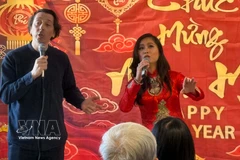
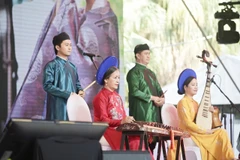
Vietnamese "chau van", a unique folk and spiritual art form, made a strong impact on foreign audiences. The performances underscored the profound spiritual resonance and lasting art value of Vietnam's traditional culture.

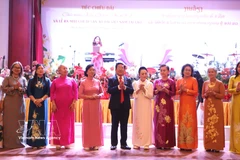
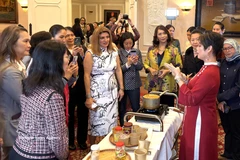
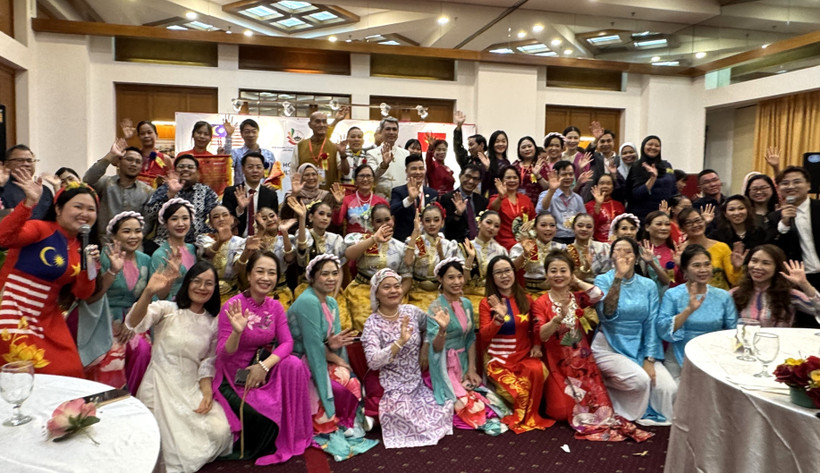
Artists and guests at the event (Photo: VNA)

Kuala Lumpur (VNA) - A Southeast Asia cultural - economic exchange programme took place in Kuala Lumpur, Malaysia, on December 14, serving as a platform to link policymakers, artists and cultural-economic organisations across the region.

The gathering showcased performances rich in cultural identities of Vietnam and Malaysia. Kicking off the event, the OneMalaysia dance conveyed a message of cultural diversity and national unity. Inspired by Malay, Chinese, Indian, and indigenous communities, the piece seamlessly blended traditional movements into a unified choreography, reflecting the spirit of a Malaysia that is diverse in culture yet united as one nation.

Vietnamese "chau van", a unique folk and spiritual art form, made a strong impact on foreign audiences. The performances underscored the profound spiritual resonance and lasting art value of Vietnam's traditional culture.

The atmosphere was further enlivened by Tarian Dikir, a Malaysian traditional performance. With harmonious blending movements, expressive gestures, and choral singing, it vividly conveyed values of discipline, community spirit, and collective strength, where individuals merge into a unified whole to create shared harmony and vitality.

Complementing the traditional acts, youthful and contemporary elements were introduced via presentations by members of the Youth Club of the Malaysia-Vietnam Friendship Association (MVFA). Delivered in a humorous and approachable style, these conveyed humanistic messages about love, personal choices and sincerity in life, mirroring modern Vietnamese culture amid global integration.

On the event’s sidelines, Mohd Firdaus, an official in charge of ASEAN cultural affairs at the Malaysian Ministry of Tourism, Arts and Culture, stressed the role of cultural diplomacy in fostering bilateral ties. He expressed his hope for more similar exchanges between the two countries' people in the future.

Meanwhile, MVFA President Tran Thi Chang described the event as a space for cultural dialogue, contributing to greater mutual understanding, respect, and trust among nations, promoting sustainable collaboration and spreading shared values within the ASEAN community./.
VNA

See more

Nguyen Van Than, Chairman of the Vietnam Classical Music Association (VCMA), speaks at a press briefing in Hanoi on January 13. (Photo: The organisers of the concert)

Concert to be held to celebrate 14th National Party Congress

The programme, jointly organised by the VCMA and the Vietnam Association of Small and Medium Enterprises, will feature nearly 150 artists, performers and musicians, representing the finest of Vietnam’s and the international classical music scene.

Visitors to Vietnam's booth at International Cultural Festival 2026 (Photo: VNA)

Vietnamese image introduced at International Cultural Festival 2026 in Greece

The Vietnamese Embassy in Greece took part in the International Cultural Festival 2026, organised by the UNESCO Club of Piraeus and Islands in Greece, marking the embassy’s first activity of the new year and highlighting its efforts to bring the image of Vietnam closer to the Greek public and international friends through traditional Vietnamese cuisine.

A dish of Vietnamese fried spring rolls (Photo: VNA)

Vietnamese rice paper makes way into European kitchens

Vietnamese rice paper is increasingly winning the hearts of European diners thanks to its versatility, easy preparation and ability to pair well with a wide range of Western ingredients. This culinary exchange not only broadens the reach of Vietnamese cuisine but also enriches the multicultural culinary landscape of Belgium and many other countries.

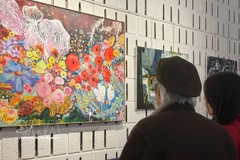
A visitor to the exhibition (Photo: VNA)

Colours of Friendship: Hanoi welcomes Vietnam-RoK artistic encounter

The harmonious mingling of works by artists from both nations conjures a multi-layered, dynamic space where distinct visual languages intersect with shared emotional depth, aesthetic thinking and creative spirit. The result is a rich and refreshing visual experience.

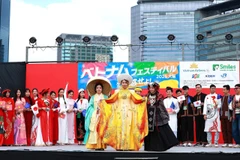
Artists take part in a parade at the Hanoi Creative Design Festival 2024. (Photo the HFCD organiser)

'Creative Meetup' programme takes place in Hanoi

The 'Creative Meetup' programme in Hanoi showcases initiatives from the creative community across eight cultural industry sectors, celebrating creativity and innovative solutions within the creative community.

A student from Nguyen Du Lao-Vietnamese bilingual school participates in a story-telling competition in Vietnamese with the theme "Vinh Moc Tunnel - Quang Tri, where life is immortal" (Photo: VNA)

Culture expected to remain pillar of Vietnam’s sustainable development: ethnologist

Ha noted that the upcoming congress is also expected to improve institutions and infrastructure for cultural industries, intellectual property and the creative economy sector. These fields are not only drivers of identity-based economic growth but also key tools for strengthening soft power and projecting the national image in an increasingly interconnected world.

Heritage innovation drives Hanoi’s cultural growth (Photo: VNA)

Heritage renewal energises Hanoi’s cultural sector

According to Hanoi Department of Tourism Director Dang Huong Giang, these innovative products not only diversify experiences but also demonstrate the city’s adaptability to modern trends, contributing to improved visitor satisfaction and reinforcing Hanoi’s creative and forward-looking spirit.

Tourists visit the Hue Imperial Citadel. (Photo: VNA)

Hue digitises imperial heritage to mitigate disaster and climate risks

As science and technology advance rapidly, the Hue Monuments Conservation Centre was asked to accelerate the digitisation of documents, drawings, images and artefacts, build a unified database of monuments, and apply 3D, VR and AR technologies in research, exhibitions, and heritage interpretation.