Spring pagoda visits preserve Hanoians’ spiritual culture

The ritual has long formed part of Vietnam’s spiritual tradition, reflecting a shared wish for a year of good fortune.

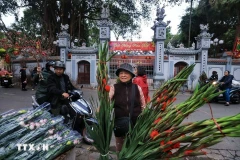
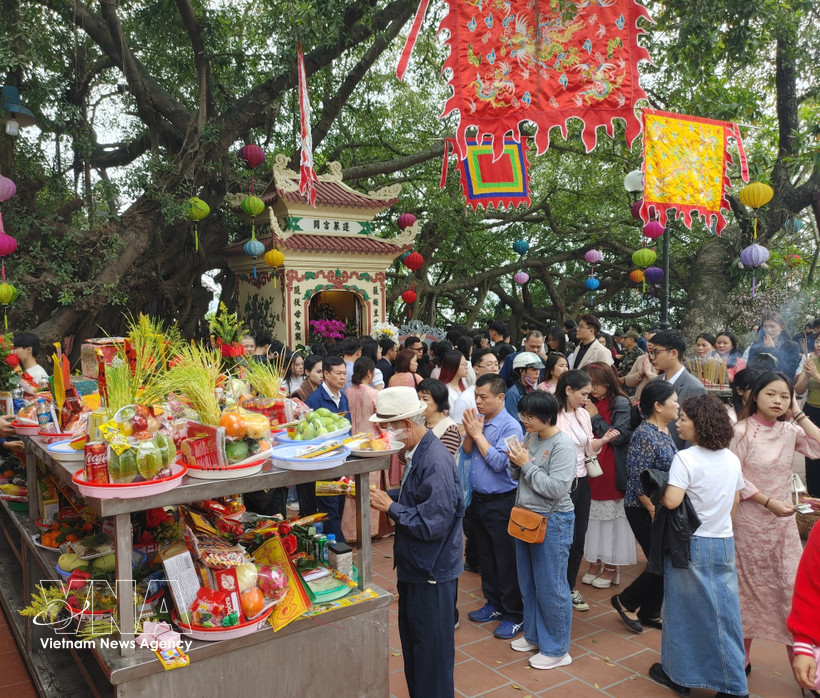
Phu Tay Ho draws large crowds on the morning of the first day of the Lunar New Year. (Photo: VNA)

Hanoi (VNA) – Families across Hanoi gathered at pagodas, temples and shrines in the early hours of the first day of the Lunar New Year (February 17) to offer incense and pray for peace and prosperity.

The ritual has long formed part of Vietnam’s spiritual tradition, reflecting a shared wish for a year of good fortune.

Phu Tay Ho drew large crowds on the morning of the first day of the Lunar New Year.

To ease congestion during the Tet holiday, Tay Ho ward arranged free parking from Lunar New Year’s Eve through the sixth day of the first lunar month. The large, systematically organised parking area has helped reduce traffic pressure while maintaining public order, reinforcing the image of one of the capital’s best-known spiritual destinations.

Bui Thi Hoa, a resident of Tan Phong hamlet in Thuong Cat ward, Hanoi, said her family makes it a point every year to visit pagodas, temples and shrines on the morning of the first day of the Lunar New Year.

The tradition dates back to her childhood, she said, and after starting her own family she has continued the practice, taking her children along not only to pray for luck and peace, but also to help them understand and appreciate the spiritual customs passed down through generations.

At Ha Pagoda in Cau Giay ward, alongside multi-generation families offering incense for peace and good fortune, large numbers of young people also gathered to pray and make their wishes.

While each visitor carried a different hope, the prayers shared a common sincerity — for family harmony, the chance to meet a kindred spirit, and the nurturing of meaningful relationships in the Year of the Horse.

Not only Vietnamese residents flock to places of worship on the first day of the Lunar New Year, many international visitors also stop by to observe rituals and learn about local spiritual life.

Johannes Müller, a visitor from Germany, said he arrived in Hanoi during the Lunar New Year and was struck by the sight of families heading to temples from the early morning.

Although he did not fully understand the tradition, he said the sense of reverence was unmistakable. Joining others in pressing his palms together, he offered a quiet wish for peace for all./.
VNA

See more

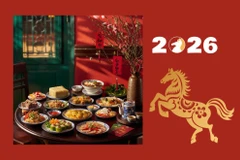
Flavours of three regional Tet feasts in contemporary life. (Photo: VNA)

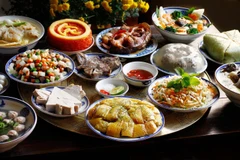
Flavours of three regional Tet feasts in contemporary life

Each dish embodies not only taste but also memories and cultural values nurtured over generations. Sustaining this heritage ensures that Vietnamese cuisine is not eroded by time, but continues to be cherished, renewed and shared with care and respect.

As Lunar New Year approaches, videos guiding viewers on how to prepare a traditional Tet feast attract increasing numbers of likes and comments. (Photo: tienphong.vn)

Gen Z reconnects with their roots, spreads rural Tet spirit

In recent years, Vietnamese social media has witnessed the rise of a content stream that feels old-fashioned yet resonates strongly with young audiences in the digital age: documenting rural life, especially kitchen scenes, Tet preparations, and everyday family routines.

Phan Thi Hong Lien wins the last gold for of Vietnam to help the team place No 1 in the sixth World Kun Khmer Championships' tally. (Photo: VNA)

Vietnam tops medal table at World Kun Khmer Championships

The Vietnamese team claimed 18 gold medals on their debut at the sixth World Kun Khmer Championships in Cambodia, edging hosts Cambodia to finish first overall and strengthening their push for Olympic recognition of the sport.

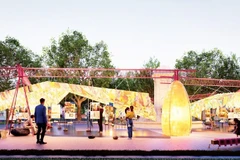
An exhibition on "do" paper and recycled materials at Dien Hong flower garden. (Photo: nhandan.vn)

Art reawakens Hanoi's public spaces

Last year, Hanoi saw a surge in both quantity and quality of public art endeavours, a leap forward in the art of breathing new life into urban landscapes

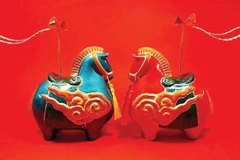
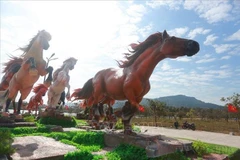
The horse image symbolises resilience, endurance, and spirit of “success upon arrival.” (Photo: VNA)

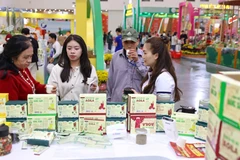
Horse mascot leaves strong impression at spring fair

A major attraction is a unique “Eight galloping horses” (Bat Ma) sculpture displayed at the To Trinh gemstone booth. Carved from a rare monolithic jade block, the artwork features eight spirited horses racing across golden rice fields. The harmonious blend of pure jade veins and natural golden tones enhances both its aesthetic depth and symbolic meaning, evoking prosperity and abundance associated with Vietnam’s rice civilisation.

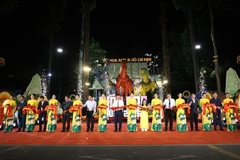
Delegates cut the ribbon to launch the 46th Spring Flower Festival at Tao Dan Park. (Photo: VNA)

Festive activities herald Lunar New Year of the Horse

A vibrant array of cultural and media events has been launched across Vietnam to welcome the Lunar New Year of the Horse 2026, highlighting both the country’s enduring traditions and its dynamic socio-economic progress.

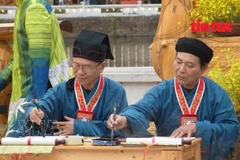
A calligraphy booth at the festival (Photo: VNA)

Spring Calligraphy Festival 2026 opens in Hanoi

A central attraction remains the traditional New Year calligraphy request activity, featuring 35 booths staffed by calligraphers selected through a rigorous, transparent evaluation process.