‘Apricot blossom horse’ – a soulful flight of cultural memory

In the ever-evolving landscape of Vietnamese art, the "Ngua hoa mai" (Apricot blossom horse) project stands as a testament to how folk motifs can find new life.

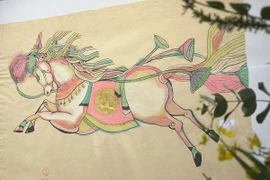
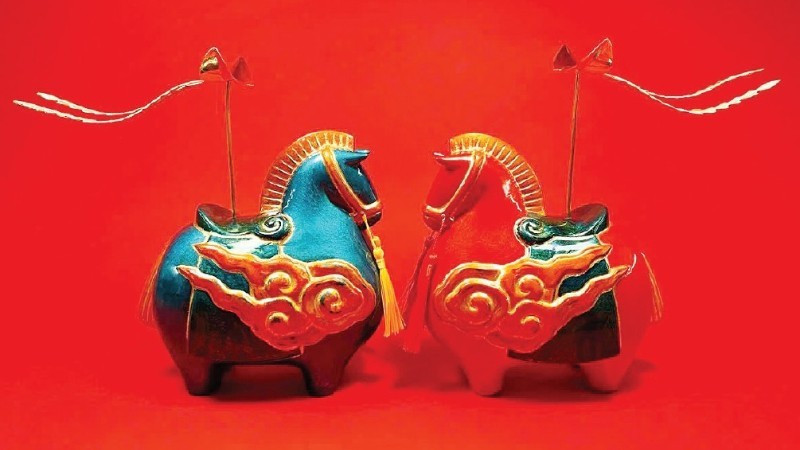
The "Ngua hoa mai" (Apricot blossom horse) by artist Le Huy. (Photo: nhandan.vn)

Hanoi (VNA) – In the ever-evolving landscape of Vietnamese art, the "Ngua hoa mai" (Apricot blossom horse) project stands as a testament to how folk motifs can find new life.

What began as a modest creative spark has blossomed into a vibrant cultural narrative, blending childhood nostalgia with sophisticated contemporary craftsmanship.

Six years ago, at the Muong Cultural Space Museum, artist Le Huy, the founder of Lam Phong Studio, conceived a vision that would eventually define his artistic identity.

Initially, the "Ngua hoa mai" was a small, chubby ceramic figure inspired by the horses found in traditional Vietnamese reliefs and sculptures. With its squinting, joyful eyes and green-bronze glaze, the piece exuded a sense of rustic charm. However, the isolation of the COVID-19 pandemic forced Huy into a period of deep introspection. During this time, the horse evolved from a simple figurine into a profound symbol of hope, memory, and cultural continuity.

The addition of the apricot blossoms was serendipitous. While Huy was working, his son accidentally pressed a piece of clay onto a sculpture, exclaiming, “A flower, Dad!” This moment of innocent creativity birthed a new identity for the work, symbolising the blossoming of spring and well-being.

By 2026, the project reached a new milestone with the introduction of a brass kite hovering elegantly over the horse’s back. For Huy, the kite is a bridge to his past — reminders of youthful days flying kites along the banks of the Lo River.

In Vietnamese culture, kites also serve as ritualistic messengers, carrying prayers for peace and prosperity to the heavens.

Huy’s commitment to innovation is evident in his choice of materials. This year, he ventured into high-end jewellery techniques to craft a miniature version in 18k gold — a meticulous process requiring hours of labour under a magnifying glass. Meanwhile, his larger lacquer versions utilise a sustainable base of pressed stone powder and recycled nylon. This eco-friendly approach creates a surface with remarkable depth and durability, proving that traditional art can align with modern environmental values.

Huy’s portfolio, including previous projects like “Nham Nhi Dan” (an optimistic tiger) and “Nhan Nguu” (a peaceful buffalo), reflects a consistent desire to make Vietnamese heritage accessible to the masses.

His "Ngua hoa mai" is more than a decorative object. It is a dialogue between the artist and the artisan, the past and the present. Today, international visitors frequently pause before these gentle, bell-collared creatures, captivated by the fusion of folklore and modern silhouettes.

For Huy, this remains a lifelong journey to ensure that the spirit of Vietnam continues to fly alongside contemporary dreams, reminding us all of the enduring power and beauty found within our collective cultural memory, fostering a deeper connection between history and the present./.
VNA

See more

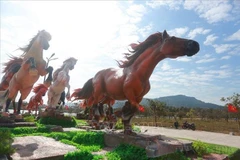
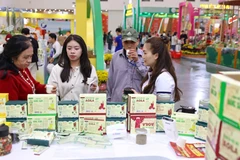
The horse image symbolises resilience, endurance, and spirit of “success upon arrival.” (Photo: VNA)

Horse mascot leaves strong impression at spring fair

A major attraction is a unique “Eight galloping horses” (Bat Ma) sculpture displayed at the To Trinh gemstone booth. Carved from a rare monolithic jade block, the artwork features eight spirited horses racing across golden rice fields. The harmonious blend of pure jade veins and natural golden tones enhances both its aesthetic depth and symbolic meaning, evoking prosperity and abundance associated with Vietnam’s rice civilisation.

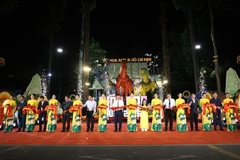
Delegates cut the ribbon to launch the 46th Spring Flower Festival at Tao Dan Park. (Photo: VNA)

Festive activities herald Lunar New Year of the Horse

A vibrant array of cultural and media events has been launched across Vietnam to welcome the Lunar New Year of the Horse 2026, highlighting both the country’s enduring traditions and its dynamic socio-economic progress.

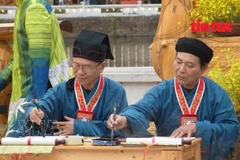
A calligraphy booth at the festival (Photo: VNA)

Spring Calligraphy Festival 2026 opens in Hanoi

A central attraction remains the traditional New Year calligraphy request activity, featuring 35 booths staffed by calligraphers selected through a rigorous, transparent evaluation process.

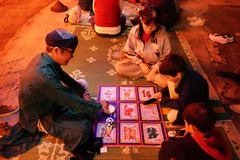
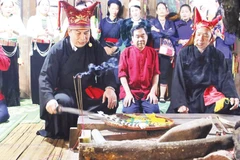
A ritual to welcome new year of Muong people in Phu Tho (Photo: nhandan.vn)

Unique Lunar New Year traditions on display

Each ethnic group brings its own unique Tet customs to the Vietnam National Village for Ethnic Culture and Tourism on the outskirts of Hanoi, creating a rich and colourful cultural mosaic.

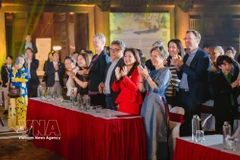
Polish Ambassador to Vietnam Joanna Skoczek (R) attends a cultural event in Vietnam (Photo: VNA)

Cultural, people-to-people interactions anchor Vietnam–Poland relations: diplomat

Skoczek also pointed to striking similarities between Vietnam’s Tet and Poland’s Christmas Eve traditions, particularly the emphasis on family reunions, symbolic meals and shared rituals passed down through generations. Despite differences in customs and cuisine, she said the essence of the celebrations remains universal: bringing loved ones together to welcome a new start.

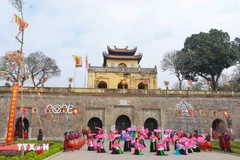
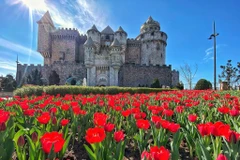
A Tet flower street is held for the first time at the Thang Long Imperial Citadel during the Lunar New Year 2026. (Photo: VNA)

Tet flower street held for first time at Thang Long Imperial Citadel

More than a seasonal attraction, the flower street also functions as a formal cultural venue for receiving ambassadors, their spouses and representatives of diplomatic missions attending the Vietnam Discovery Day 2026 programme. Its linkage with an external event further reinforces the Thang Long Imperial Citadel’s position as a key platform for introducing Vietnam’s cultural identity to international friends.

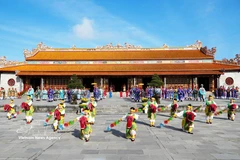
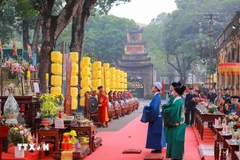
The recreation of Tien lich (calendar presentation ceremony), an important year-end ritual in which the royal court presented the new calendar for the coming year to the king, within a programme at the Thang Long Imperial Citadel in Hanoi on February 10. (Photo: VNA)

Hanoi recreates Lunar New Year court ritual at Thang Long Imperial Citadel

Organised by the municipal People’s Committee in coordination with the Vietnam National Commission for UNESCO, the programme recreated a range of ceremonial practices once performed in the royal court. These included the Tien lich ritual, in which calendars were formally distributed to the court and the public; the Thuong tieu ceremony featuring the ceremonial New Year pole erected to ward off evil spirits and welcome spring; the ritual release of carp to send the Kitchen Gods to heaven; and the solemn changing-of-the-guard ceremony inside the imperial citadel. Together, the activities helped audiences better understand the cultural, spiritual and ceremonial order of Vietnam’s feudal past.

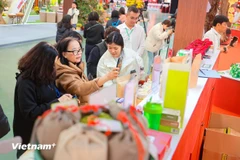
People visit the Spring Fair 2026. (Photo: VNA)

Spring Fair 2026: Celebration of Vietnamese Tet flavours, cultural memory

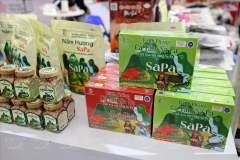
Food has long occupied a central place in Vietnamese Tet culture, symbolising abundance, harmony and gratitude. At the Spring Fair 2026, traditional Tet delicacies are presented in a modern setting while retaining their familiar essence, allowing visitors to experience both nostalgia and renewal.