Colours, flavours of Vietnam’s three regions draw crowds at Spring Fair 2026

Each culinary stall at the Spring Fair 2026 presents its own regional specialities, meeting on-site dining needs while promoting the richness of Vietnamese culinary culture.

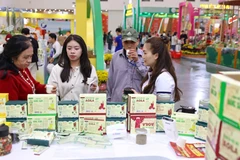
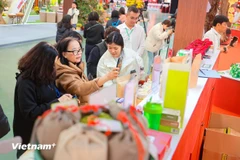
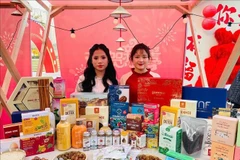
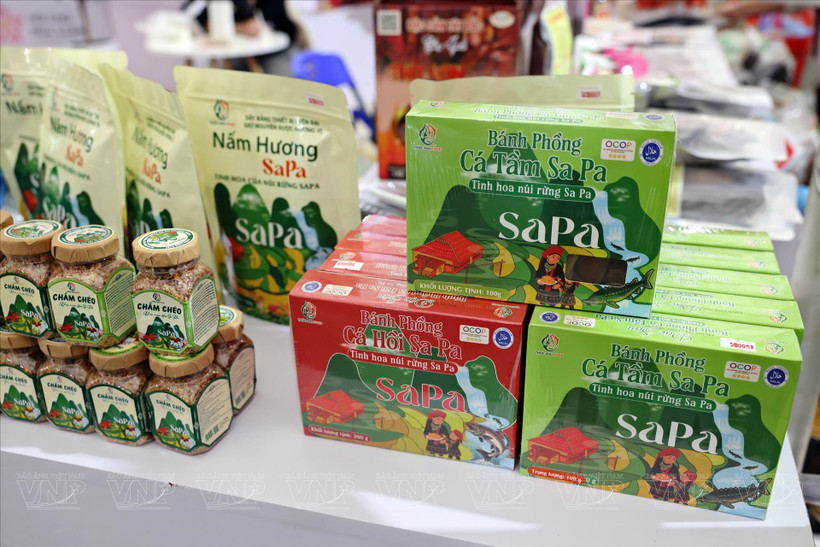
Local products on sale at the Spring Fair 2026 in Hanoi (Photo: VNA)

Hanoi (VNA) – The culinary zone at the ongoing Spring Fair 2026 in Hanoi is showcasing hundreds of dishes and beverages, offering visitors a chance to savour and explore the distinctive flavours of Vietnam’s three regions while taking a break from shopping.

Each stall presents its own regional specialities, meeting on-site dining needs while promoting the richness of Vietnamese culinary culture.

Northern cuisine leaves a strong impression with familiar dishes and renowned local delicacies. Bright-red crab noodle soup, spicy fish vermicelli fragrant with dill, crispy squid patties and steaming plates of soft rice rolls have all proved popular with fairgoers.

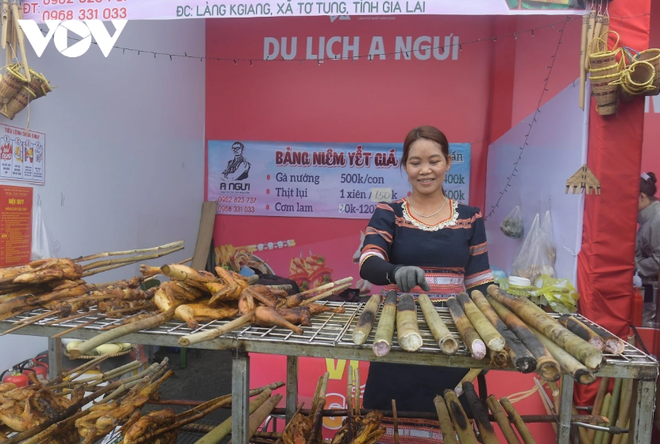
In the section dedicated to the central and Central Highlands regions, bold colours and robust seasoning stand out. Golden Quang noodle and rice paper rolls with pork are among the highlights. A particular attraction is the Bahnar culinary stall, reflecting the distinctive flavours of the Central Highlands. Dishes feature natural ingredients such as wild bamboo shoots, stream fish and forest vegetables, prepared with traditional spices.

Stalls serving southern specialities are as lively as the people of the region themselves. Local noodle soup, grilled skewers and sweet, chewy sponge cakes, alongside a variety of street foods, have drawn enthusiastic crowds.
central-highlands-dishes-vov.png
A culinary stall selling distinctive dishes from the Central Highlands. (Photo: VOV)

Nguyen Thi Mai from Bo De ward in Hanoi said the diverse food offerings made the fair especially convenient. After shopping, her family of four headed to the food court, where each member selected different dishes to share. The wide variety, distinctive flavours and freshly prepared hot food made for an enjoyable family outing, she said.

According to Mai, many dishes have been prepared with great care. Alongside regional specialities are foods traditionally associated with the Vietnamese Lunar New Year (Tet) feast. Within just a few steps, visitors can move from sampling smoked buffalo meat from northern mountainous provinces to enjoying a bowl of southern-style fermented fish noodle soup – an experience unique to the Spring Fair.

The dining area is equipped with ample tables and chairs, allowing visitors to rest and savour the specialities. The vibrant colours and diverse flavours from across the country have created a distinctive appeal for the expo, where Tet can not only be seen, but also tasted and felt./.
VNA

See more

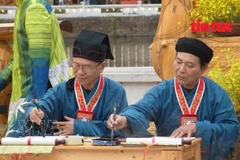
A calligraphy booth at the festival (Photo: VNA)

Spring Calligraphy Festival 2026 opens in Hanoi

A central attraction remains the traditional New Year calligraphy request activity, featuring 35 booths staffed by calligraphers selected through a rigorous, transparent evaluation process.

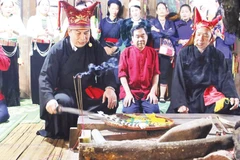
A ritual to welcome new year of Muong people in Phu Tho (Photo: nhandan.vn)

Unique Lunar New Year traditions on display

Each ethnic group brings its own unique Tet customs to the Vietnam National Village for Ethnic Culture and Tourism on the outskirts of Hanoi, creating a rich and colourful cultural mosaic.

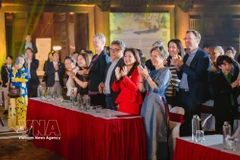
Polish Ambassador to Vietnam Joanna Skoczek (R) attends a cultural event in Vietnam (Photo: VNA)

Cultural, people-to-people interactions anchor Vietnam–Poland relations: diplomat

Skoczek also pointed to striking similarities between Vietnam’s Tet and Poland’s Christmas Eve traditions, particularly the emphasis on family reunions, symbolic meals and shared rituals passed down through generations. Despite differences in customs and cuisine, she said the essence of the celebrations remains universal: bringing loved ones together to welcome a new start.

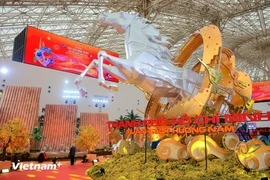
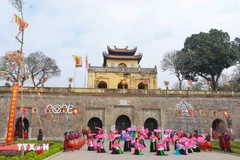
A Tet flower street is held for the first time at the Thang Long Imperial Citadel during the Lunar New Year 2026. (Photo: VNA)

Tet flower street held for first time at Thang Long Imperial Citadel

More than a seasonal attraction, the flower street also functions as a formal cultural venue for receiving ambassadors, their spouses and representatives of diplomatic missions attending the Vietnam Discovery Day 2026 programme. Its linkage with an external event further reinforces the Thang Long Imperial Citadel’s position as a key platform for introducing Vietnam’s cultural identity to international friends.

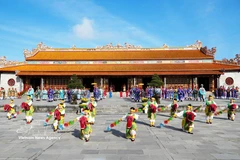
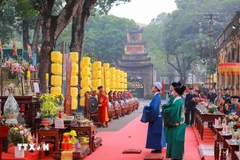
The recreation of Tien lich (calendar presentation ceremony), an important year-end ritual in which the royal court presented the new calendar for the coming year to the king, within a programme at the Thang Long Imperial Citadel in Hanoi on February 10. (Photo: VNA)

Hanoi recreates Lunar New Year court ritual at Thang Long Imperial Citadel

Organised by the municipal People’s Committee in coordination with the Vietnam National Commission for UNESCO, the programme recreated a range of ceremonial practices once performed in the royal court. These included the Tien lich ritual, in which calendars were formally distributed to the court and the public; the Thuong tieu ceremony featuring the ceremonial New Year pole erected to ward off evil spirits and welcome spring; the ritual release of carp to send the Kitchen Gods to heaven; and the solemn changing-of-the-guard ceremony inside the imperial citadel. Together, the activities helped audiences better understand the cultural, spiritual and ceremonial order of Vietnam’s feudal past.

Illustrative image (Photo: VNA)

Fireworks, festive events usher in Year of the Horse across Vietnam

Local residents and visitors can enjoy spectacular fireworks displays at locations like the Hanoi Post Office in Hoan Kiem ward; Coconut island in Thong Nhat park, Hai Ba Trung ward; the F1 racetrack area in Tu Liem ward; Lac Long Quan flower garden in Tay Ho ward; Van Quan lake in Ha Dong ward; and the Son Tay Ancient Citadel in Son Tay ward.

People visit the Spring Fair 2026. (Photo: VNA)

Spring Fair 2026: Celebration of Vietnamese Tet flavours, cultural memory

Food has long occupied a central place in Vietnamese Tet culture, symbolising abundance, harmony and gratitude. At the Spring Fair 2026, traditional Tet delicacies are presented in a modern setting while retaining their familiar essence, allowing visitors to experience both nostalgia and renewal.

(Photo: baoquocte.vn)

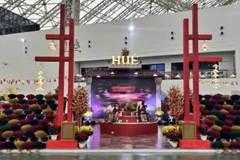
Spring Fair 2026 features imperial spring colours, heritage imprints

Beyond cultural impressions, the fair created tangible opportunities for Hue enterprises and artisans to promote brands, connect partners and expand markets, laying foundations for deeper participation in value chains and long-term sustainable development aligned with Hue’s green growth and international integration strategy toward 2030, with a vision to 2045.

The horse-themed stamp set and commemorative coin. (Photo: VNA)

Stamp set, coin issued to mark Year of the Horse

In traditional beliefs, the horse is a sacred animal symbolising loyalty, vigour, patience and perseverance, and is also believed to bring good fortune and prosperity. Drawing on this symbolism, the stamp set is presented in a contemporary folk-art style and, for the first time, features the image of the “Nine Red-Maned Horse” on Vietnam’s Tet stamps.

Vietnamese Ambassador to Japan Pham Quang Hieu commends collectives that have made significant contributions to community work in 2025 (Photo: VNA)

Vietnamese in Australia preserve traditional Tet celebrations

The “Homeland Spring” programme in Australia left lasting impressions, bringing the warmth of Tet to overseas Vietnamese and reaffirming that wherever they may be, Vietnamese people share common roots and an aspiration for a prosperous future.

At the Vietnamese booth at the first International Spring Festival hosted by the administration of Chongqing city, China from February 6 to 8. (Photo: VNA)

Vietnam attends international spring festival in China’s Chongqing

The event brought together more than 20 foreign consulates general in Chongqing and Chengdu, along with many companies and well-known brands from the participating countries, creating a vibrant and multicultural exchange space on the occasion of the Year of the Horse.

Nguyen Thi Lien, Head of the Vietnamese Language Club in Malaysia and Vice Chairwoman of the Vietnamese Women’s Association in Malaysia. (Photo: VNA)

Overseas Vietnamese join hands in spreading Vietnamese culture

They affirmed that culture is the spiritual foundation and a vital endogenous strength of the nation, while underscoring the important role of overseas Vietnamese in preserving and spreading national cultural identity and promoting the image of Vietnam and its people to the world.