Art reawakens Hanoi's public spaces

Last year, Hanoi saw a surge in both quantity and quality of public art endeavours, a leap forward in the art of breathing new life into urban landscapes

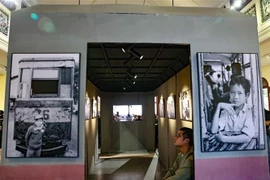
An exhibition on "do" paper and recycled materials at Dien Hong flower garden. (Photo: nhandan.vn)

Hanoi (VNA) - Public art has gradually become an integral part of Hanoi’s cultural scene, with installations popping up in squares, parks, and pedestrian zones that ignite thoughtful conversations among local residents about history, nature, and community bonds.

Last year, Hanoi saw a surge in both quantity and quality of public art endeavours, a leap forward in the art of breathing new life into urban landscapes. On weekends, holidays, and during Tet festivities, it's now commonplace to spot local people and tourists alike lingering at these pieces, snapping photos, discussing them, and engaging directly.

According to architects and connoisseurs, for a metropolis aspiring to creativity, open art spaces where the public can access and enjoy art year-round are indispensable.

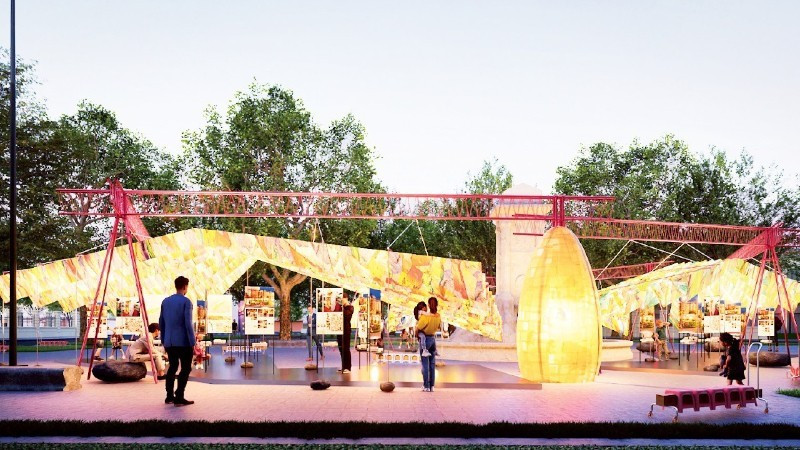
The standout project "What do birds tweet about?", launched in late September 2025, transformed overlooked green havens at Chuong Duong riverside forest park in Hanoi and Tao Dan park in Ho Chi Minh City. A collaboration between Vietnamese and foreign artists, this colourful "treehouse" structure weaves AI with an online archive of bird sounds, creating immersive "bird stations" where one can listen to hundreds of native species. What starts as a casual urban interlude becomes a profound, almost poetic reunion with nature right at the city's heart.

Earlier at Co Tan flower garden, fashion designer Tia-Thuy Nguyen dropped "Hoi sinh" (Rebirth), and it hit different. After Typhoon Yagi uprooted a century-old mahogany tree in 2024, she and her team salvaged it, then spent over 6,000 hours and more than six tonnes of metal meticulously rebuilding its majesty. Thousands of shimmering steel leaves and quartz blossoms recreate the canopy in a dazzling, resilient glow, a powerful statement on renewal and nature's quiet comeback after disaster.

Late October brought the debut of "Ket doan" (Solidarity) at August 19 Garden, affirming a welcome evolution: art is no longer confined to galleries or museums, but woven into the everyday pulse of the city, accessible and alive.

Dien Hong Garden, right next to the Hoan Kiem pedestrian zone, has also become a regular host for bold, high-impact displays.Recent years have brought a wave of such projects to Hanoi.

The Phuc Tan public art project, led by 16 volunteer artists, blends striking visuals with eco-messages by using recycled materials and pulling residents right into the process.

Over at the Tran Nhat Duat pedestrian bridge linking Phuc Tan with an arts and culture centre at No.22 Hang Buom street, artistic lighting has transformed it into a glowing nighttime hotspot.On Phung Hung street, forgotten railway arches now serve as massive mural canvases, reviving nostalgic slices of old Hanoi and bringing art straight into neighbourhood life.

As part of UNESCO Creative Cities Network, Hanoi is set to build even more momentum through 2026. With a close-knit community of architects, artists, and cultural pioneers, along with evolving policies, public art is ready to energise the creative economy and refresh the capital’s charm on the global stage in its next chapter./.
VNA

See more

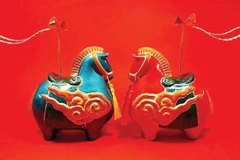
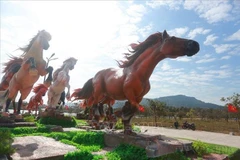
The horse image symbolises resilience, endurance, and spirit of “success upon arrival.” (Photo: VNA)

Horse mascot leaves strong impression at spring fair

A major attraction is a unique “Eight galloping horses” (Bat Ma) sculpture displayed at the To Trinh gemstone booth. Carved from a rare monolithic jade block, the artwork features eight spirited horses racing across golden rice fields. The harmonious blend of pure jade veins and natural golden tones enhances both its aesthetic depth and symbolic meaning, evoking prosperity and abundance associated with Vietnam’s rice civilisation.

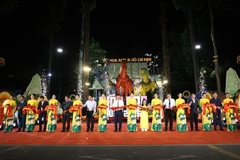
Delegates cut the ribbon to launch the 46th Spring Flower Festival at Tao Dan Park. (Photo: VNA)

Festive activities herald Lunar New Year of the Horse

A vibrant array of cultural and media events has been launched across Vietnam to welcome the Lunar New Year of the Horse 2026, highlighting both the country’s enduring traditions and its dynamic socio-economic progress.

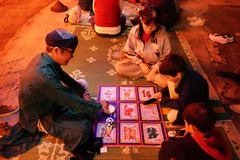
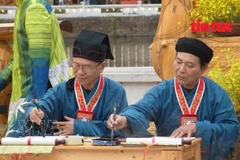
A calligraphy booth at the festival (Photo: VNA)

Spring Calligraphy Festival 2026 opens in Hanoi

A central attraction remains the traditional New Year calligraphy request activity, featuring 35 booths staffed by calligraphers selected through a rigorous, transparent evaluation process.

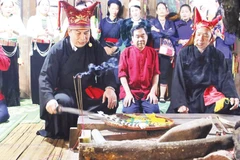
A ritual to welcome new year of Muong people in Phu Tho (Photo: nhandan.vn)

Unique Lunar New Year traditions on display

Each ethnic group brings its own unique Tet customs to the Vietnam National Village for Ethnic Culture and Tourism on the outskirts of Hanoi, creating a rich and colourful cultural mosaic.

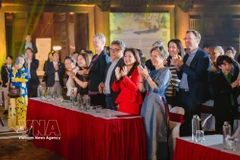
Polish Ambassador to Vietnam Joanna Skoczek (R) attends a cultural event in Vietnam (Photo: VNA)

Cultural, people-to-people interactions anchor Vietnam–Poland relations: diplomat

Skoczek also pointed to striking similarities between Vietnam’s Tet and Poland’s Christmas Eve traditions, particularly the emphasis on family reunions, symbolic meals and shared rituals passed down through generations. Despite differences in customs and cuisine, she said the essence of the celebrations remains universal: bringing loved ones together to welcome a new start.

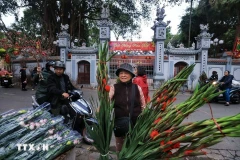
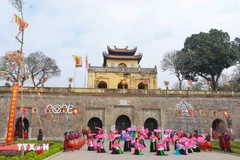
A Tet flower street is held for the first time at the Thang Long Imperial Citadel during the Lunar New Year 2026. (Photo: VNA)

Tet flower street held for first time at Thang Long Imperial Citadel

More than a seasonal attraction, the flower street also functions as a formal cultural venue for receiving ambassadors, their spouses and representatives of diplomatic missions attending the Vietnam Discovery Day 2026 programme. Its linkage with an external event further reinforces the Thang Long Imperial Citadel’s position as a key platform for introducing Vietnam’s cultural identity to international friends.

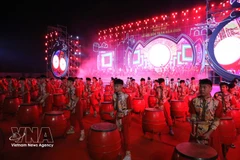
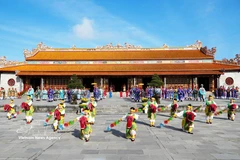
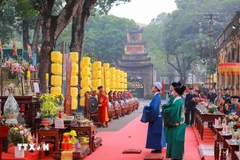
The recreation of Tien lich (calendar presentation ceremony), an important year-end ritual in which the royal court presented the new calendar for the coming year to the king, within a programme at the Thang Long Imperial Citadel in Hanoi on February 10. (Photo: VNA)

Hanoi recreates Lunar New Year court ritual at Thang Long Imperial Citadel

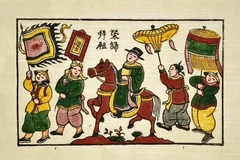
Organised by the municipal People’s Committee in coordination with the Vietnam National Commission for UNESCO, the programme recreated a range of ceremonial practices once performed in the royal court. These included the Tien lich ritual, in which calendars were formally distributed to the court and the public; the Thuong tieu ceremony featuring the ceremonial New Year pole erected to ward off evil spirits and welcome spring; the ritual release of carp to send the Kitchen Gods to heaven; and the solemn changing-of-the-guard ceremony inside the imperial citadel. Together, the activities helped audiences better understand the cultural, spiritual and ceremonial order of Vietnam’s feudal past.

Illustrative image (Photo: VNA)

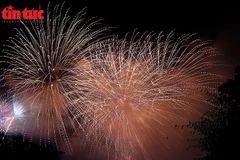
Fireworks, festive events usher in Year of the Horse across Vietnam

Local residents and visitors can enjoy spectacular fireworks displays at locations like the Hanoi Post Office in Hoan Kiem ward; Coconut island in Thong Nhat park, Hai Ba Trung ward; the F1 racetrack area in Tu Liem ward; Lac Long Quan flower garden in Tay Ho ward; Van Quan lake in Ha Dong ward; and the Son Tay Ancient Citadel in Son Tay ward.