ASEAN, China conclude talks on upgraded free trade area

ASEAN and China are each other’s largest trading partners and key investors, both are supporters of economic globalisation and multilateralism.

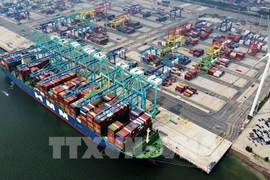
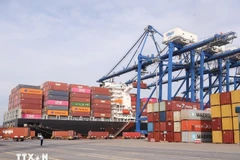
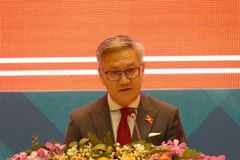
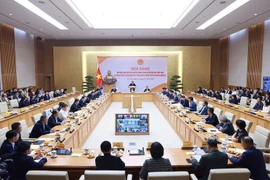
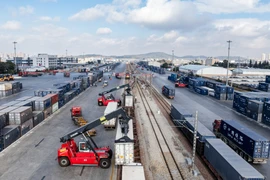
Beijing (VNA) – ASEAN and China have officially concluded negotiations on the Version 3.0 China-ASEAN Free Trade Area (CAFTA). The announcement was made at the Special ASEAN-China Economic and Trade Ministers’ Meeting held virtually on May 20.

Negotiations for the 3.0 upgrade began in November 2022 and reached completion by October 2024, following nine official rounds of talks.

The upgraded version aims to reinforce commitments to free trade and open cooperation. ASEAN and China are each other’s largest trading partners and key investors, both are supporters of economic globalisation and multilateralism.

As two of the world’s largest developing economies, ASEAN and China will use the upgraded free trade framework to expand collaboration in emerging sectors and productivity growth, creating long-term institutional support for building a mega ASEAN-China market and fostering a shared future.

Both sides plan to complete domestic approval procedures and aim to officially sign the upgraded ACFTA protocol by the end of this year./.
VNA

See more

Foreign tourists in Bangkok, Thailand. (Photo: Xinhua/VNA)

International arrivals to Thailand surge in early 2026

Thailand welcomed 1,121,549 international visitors in the first 11 days of 2026, generating an estimated 55.03 billion THB (approximately 1.59 billion USD) in tourism revenue, according to figures released by the Ministry of Tourism and Sports on January 13.

Tourists visit the Plain of Jars in Xiengkhouang, Laos.(Photo: VNA)

Laos named among world’s top travel destinations for 2026: TravelPulse

Known for being one of Southeast Asia’s best kept secrets, experts said 2026 will be the year for Laos to start attracting discerning travelers. Traversed by the Mekong River, Laos features mountainous terrain, French colonial architecture and an abundance of Buddhist monasteries.

A commemorative publication titled “50 Years of Germany – Vietnam Relations: Partners in the Past, Present and Future”, published in 2025, offers a timely and comprehensive reflection not only on the 50th anniversary but also on the two countries' strategic path ahead. (Illustrative photo: the Vietnamese – German University)

German economic cooperation ministry praises Vietnam’s development

Commenting on the German Government’s prominent reference to Vietnam’s achievements in a key policy document shaping the future direction of its development policy, Dr Kambiz Ghawami, President of Germany’s World University Service (WUS), described this as highly significant.

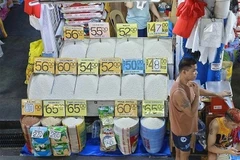
Indonesia’s meat industry faces widespread job loss risks (Photo:en.infosawit.com)

Indonesia’s meat industry faces risk of mass layoffs

The Indonesian Meat Entrepreneurs and Processors Association (APPDI) said the total beef import quota for private companies this year has been cut to 30,000 tonnes, down sharply from 180,000 tonnes in 2025. The figure accounts for only a small fraction of Indonesia’s overall import plan of 297,000 tonnes of beef and buffalo meat for 2026.

Vietnamese Minister of National Defence General Phan Van Giang (left) and Lao Minister of National Defence Senior Lieutenant General Khamlieng Outhakaysone (Photo: VNA)

Laos focuses on building comprehensive all-people national defence posture

Reporting on defence and security work over the past five years, he noted that despite numerous challenges, Laos has recorded significant achievements under the direct, comprehensive and resolute leadership of the LPRP, the guidance of the Central Commission for Defence–Security, the solidarity and efforts of administrations at all levels, sectors, local authorities and the Lao people, along with cooperation from strategic partners.

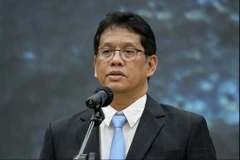
Governor of National Resilience Institute (Lemhannas RI) of Indonesia Dr. Ace Hasan Syadzily (Photo: VNA)

Indonesia's programme to develop visionary leaders unveiled

This programme is designed to equip prospective senior leaders with strategic leadership mindset, geopolitical and geostrategic vision, and the capacity to formulate policies and govern the country amid a dynamic domestic and international environment.