Hanoi (VNA) - Counterfeit products are becoming increasingly sophisticated, infiltrating every corner of the market, requiring businesses to address this problem alongside efforts of authorised agencies, according to experts.
The widespread production and distribution of counterfeit goods across the country is causing significant harm to the economy, severely affecting consumer health and rights, and undermining the competitiveness of legitimate businesses. Particularly concerning is the increased exploitation of e-commerce platforms to trade banned, smuggled, or unverified products.
To tackle this issue effectively, a vigorous, coordinated approach by government agencies, together with robust participation from the business community, is essential to restore market integrity and prevent violations at their source.
Increasingly sophisticated counterfeit products
Tran Viet Hai, Chairman of the Board of the Eurostars Joint Stock Company — a company with 25 years of experience distributing cosmetics in Vietnam and the exclusive distributor of Tesori d’Oriente products — has reported significant challenges relating to counterfeit and substandard goods.
He revealed that counterfeiters previously forged foreign origin documents to flood the market with hundreds of thousands of fake products under the company’s exclusive distribution. Thanks to cooperation with market management and health authorities, three groups responsible for counterfeiting the company’s products were prosecuted.
Recently, counterfeiters have adopted increasingly sophisticated methods, producing replicas that perfectly mimic packaging, labels, and even QR codes, which are sold at lower prices, deceiving consumers, he said. “We continue to collaborate with authorities to address these cases,” Hai stated.
Similarly, the Thai Minh Pharmaceutical Joint Stock Company has accumulated valuable experience in combating counterfeit goods and intellectual property violations.
Han Ngoc Anh, CEO of Thai Minh, recalled that over ten years ago, when the company was smaller and less concerned about counterfeit issues, customers at a conference requested support solutions for bulk purchases. This led Thai Minh to launch a “pack exchange” programme to reward loyal customers.
At that time, many customers exchanged old packaging for new products at discounted prices. “As participation increased, we realised the need to protect our products and subsequently introduced unique product identification codes,” explained Anh.
Anh further shared that 2-3 years after implementing the programme, a company employee reported suspicious activity - five codes from the same phone number accumulated points on a single device, an abnormal sign prompting investigation. The company discovered fake products circulating without official seals.
Strengthening brand protection
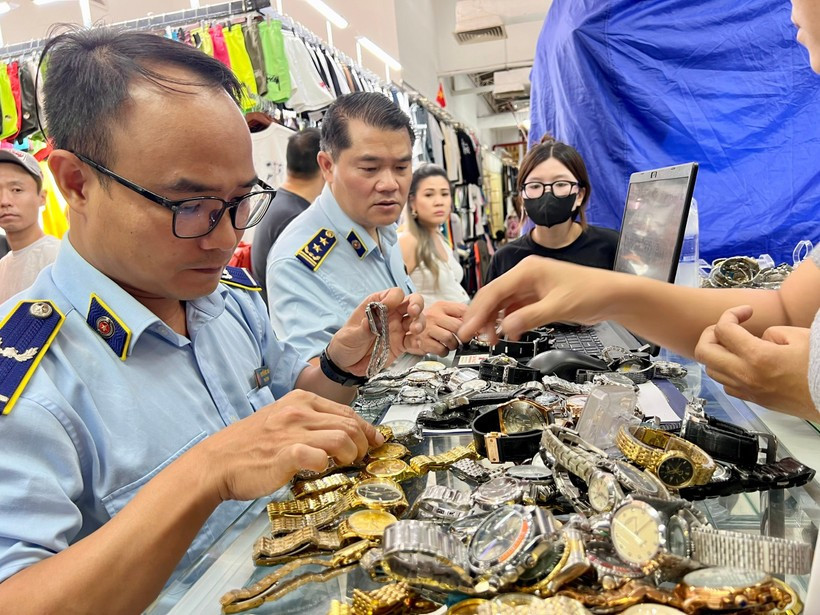
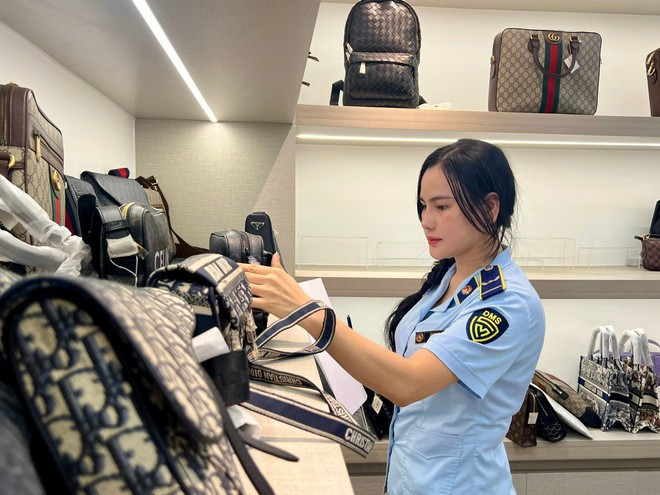
A report from the Office of the National SteeringCommittee for Anti-smuggling, Counterfeit Goods and Trade Fraud (National Steering Committee 389) highlights an increase in large-scale production of counterfeit and intellectual property-infringing goods, with fraudulent tactics becoming more sophisticated and difficult to detect.
Beyond the production and sale of counterfeit products of legitimate businesses, there is a growing problem of companies misrepresenting the quality of their own products, such as failing to comply with legal standards for quality, content, and composition, particularly among self-declared goods where brand owners bear direct responsibility.
Statistics for the first half of 2025 indicate that authorities and local governments handled 50,736 violations, collected over 6.53 trillion VND (249.11 million USD) in fines (a 7.68% increase year-on-year), prosecuted 1,875 criminal cases (up 188.46%), involving 3,235 suspects (up 69.11%).
During the peak month from May 15 to June 15, 10,437 cases were handled, an 80.51% increase compared to the previous month, including 1,936 cases of banned and smuggled goods (up 173.45%), 6,870 cases of trade fraud and tax evasion (up 50.72%), and 1,631 cases of counterfeit goods and intellectual property violations (up 216.09%).
These figures demonstrate that with strong engagement from businesses and authorities, the prevalence of counterfeit goods can be effectively contained.
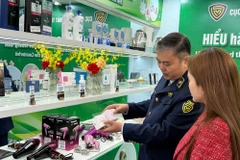
Duong Manh Hung, Vice Director of the Hanoi Market Management Department, emphasised that, given the increasing sophistication of violations, consumers should choose reputable websites, purchase genuine products, and carefully consult reviews and feedback before buying.
The department also urged businesses to proactively protect their products by using QR codes, allowing consumers to verify product origins independently.
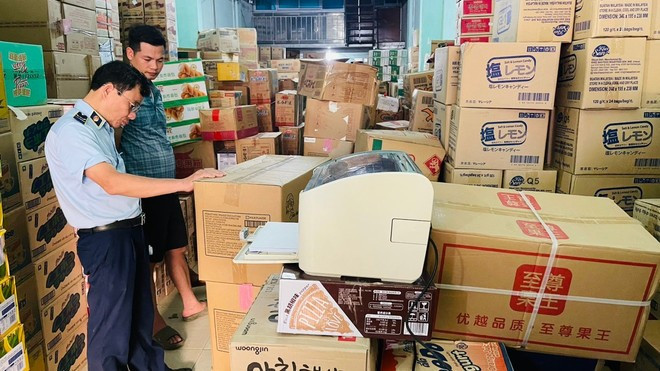
Tran Huu Linh, Director of the Domestic Market Management and Development Department under the Ministry of Industry and Trade, confirmed plans to strengthen market surveillance nationwide through digital technology, integrated data platforms, and enhanced legal frameworks suited to modern commerce, especially e-commerce.
Specialised inspections targeting counterfeit goods and intellectual property infringements will continue alongside awareness campaigns and commitments signed with online traders to promote legal compliance.
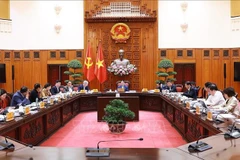
Meanwhile, Hanoi city officials have directed National Steering Committee 389 and local authorities to rigorously address issues affecting public health and safety, including contaminated food, pharmaceuticals, and cosmetics.
City leaders also called for increased surprise inspections in key areas, particularly in e-commerce, and strengthened public legal education to raise awareness among citizens and businesses about rejecting counterfeit goods. Support will also be provided for brand development, intellectual property registration, and compliance with product quality standards./.