Hanoi (VNA) – Vietnam’s ambition to achieve economic growth exceeding 10% from 2026 to 2030 calls for a comprehensive strategy, deep institutional reforms, and the optimisation of new growth drivers, particularly amid mounting domestic and global challenges, economists asserted.
Navigating complex economic headwinds
Amid global economic volatility, Vietnam has set an assertive growth target – at least 8% in 2025 and double-digit expansion in the following five years.
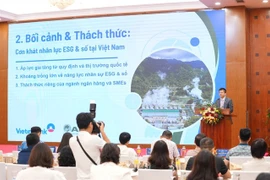
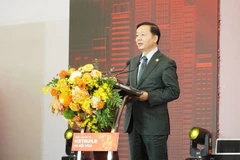
At the recent Vietnam Economic Growth Forum 2025 (VEGF), Deputy Prime Minister Nguyen Chi Dung reported a 7.52% GDP growth rate in the first half of the year—the highest in 15 years. Yet, he cautioned that attaining the set targets will be difficult.
With a highly open economy, Vietnam remains vulnerable to increasingly complex global developments and internal weaknesses, Dung said.
Dr. Can Van Luc, Chief Economist at BIDV, cited several challenges, including weak competitiveness, the risk of the middle-income trap, overdependence on exports and foreign investment, low global value chain integration, climate vulnerability, a rapidly ageing population, and rising income inequality.
Dr. Nguyen Si Dung, former Vice Chairman of the National Assembly Office, warned that without thoroughly overhauling the legislative process, Vietnam may fall short of its development goals. He noted that sub-law documents often distort legislative intent, sowing confusion and hampering business.
Deputy Minister of Justice Nguyen Thanh Tu acknowledged contradictory, overlapping, and impractical legal frameworks. These, he said, impose compliance burdens and stifle innovation, hindering economic momentum.
Unlocking resources, optimising new growth drivers
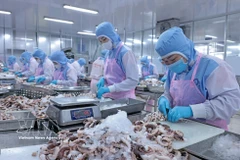
As traditional growth engines—natural resources, public investment, low-cost labour, and low-value exports—wane, Vietnam must shift toward transformative drivers.
Deputy PM Dung underscored the need for a new mindset, a new vision, and bold actions rooted in political will, unity, and cooperation with international partners. Achieving fast, sustainable growth requires a new mindset, vision, and national posture, he said.
Dr. Dang Duc Anh, Deputy Director at the Institute for Policy and Strategy Studies (IPS) under the Party Central Committee's Commission for Policies and Strategies, identified three primary growth engines to secure GDP growth of over 10%.
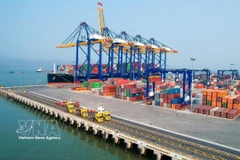
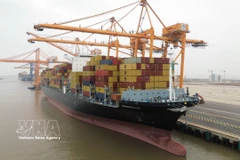
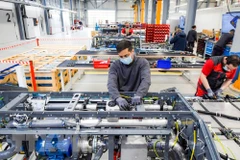
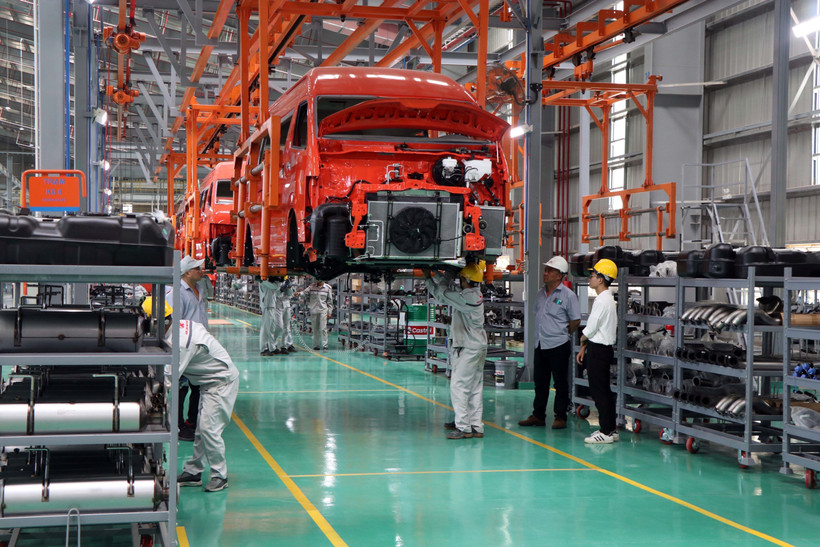
The first comes from the industry – construction sector, he held, elaborating that processing and manufacturing can drive growth if Vietnam makes strong technological improvements and climbs higher in the global value chain. Supporting industries hold the largest room for expansion, while large-scale infrastructure projects (expressways, seaports, airports) also make construction highly potential for breakthrough growth.
The second is the service sector, with tourism, e-commerce, logistics, and financial services present vast potential, he underlined.
The third is from local growth hubs. Anh said that many localities have untapped strengths, especially in infrastructure, labour, and natural resources. This driver gains traction as institutional reforms, administrative apparatus streamlining, and locality reorganisation are expected to unlock new development space, he added.
From the business perspective, Nguyen Xuan Phu, Chairman of Sunhouse Group, highlighted the need for stronger state support, particularly in early-stage market entry. He called for tax incentives and initial support in terms of market, technology, and capital access to help firms join global supply chains and enter strategic markets.
Tran Luu Quang, Secretary of the Party Central Committee and head of its Commission for Policies and Strategies, affirmed that double-digit growth is achievable through shared resolve across the Government, businesses, and localities.
Achieving double-digit growth doesn’t mean every sector must meet that benchmark individually. What matters is delivering sustainable, inclusive, and holistic growth, he noted.
Quang outlined four critical conditions to reach that target – broad consensus and collaboration across the Government, businesses, and society; timely settlement of legal and institutional bottlenecks; a development strategy prioritising science, technology, innovation, and digital transformation; and strong preparedness for external shocks in an increasingly open economy./.
VNA