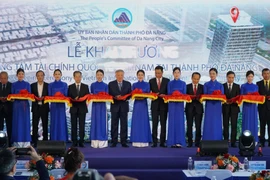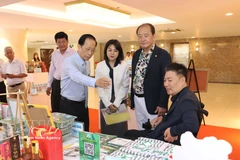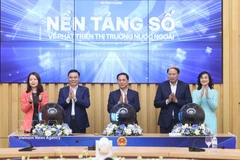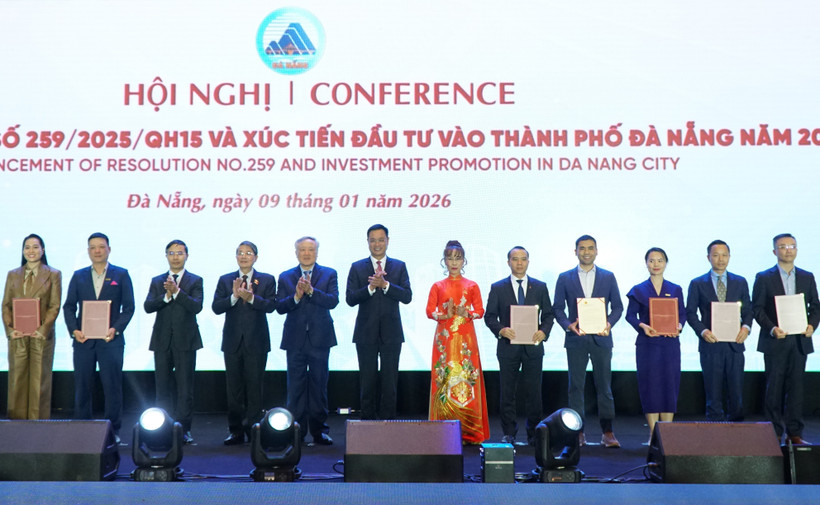
Da Nang (VNA) – The central city of Da Nang on January 9 held a conference to announce the National Assembly's Resolution No. 259/2025/QH15 regarding pilot policies and mechanisms for its development, and promote investment in the city for 2026, drawing representatives of many ministries, sectors, localities, and more than 500 domestic and international businesses and investors.
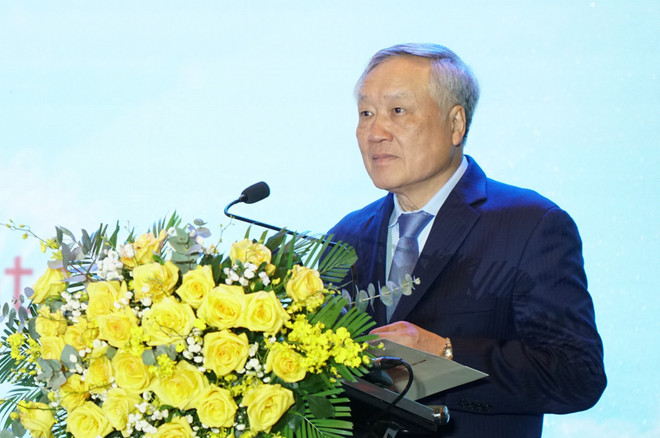
Addressing the conference, Permanent Deputy Prime Minister Nguyen Hoa Binh stressed that the city should further innovate its investment promotion mindset and methods, focusing on priority areas with greater depth rather than spreading resources thinly. Da Nang should proactively introduce investment opportunities, demonstrate its commitment to accompanying investors, and actively engage strategic partners at home and abroad, he suggested.
Expressing his confidence in the city’s dynamism, creativity and unity, the Permanent Deputy PM voiced his belief that Da Nang would effectively implement Resolution No. 259/2025/QH15 and fully leverage the special mechanisms to achieve rapid and sustainable development.
According to Chairman of the Da Nang People’s Committee Pham Duc An, the city prioritises building sustainable economic ecosystems and focuses on key breakthrough sectors with strong spillover effects, including high technology and digital transformation, logistics, urban infrastructure, finance, processing and manufacturing industries, high-tech agriculture, and the pharmaceutical and medicinal herb industry. He emphasised the need for close cooperation and support from investors and the business community, both domestic and international.
At the conference, Da Nang officially announced Resolution No. 259/2025/QH15, which amends and supplements Resolution No. 136/2024/QH15 on piloting special mechanisms and policies for the city’s development. The new resolution revises eight key articles related to strategic areas such as investment management, finance and state budget, planning, urban development, natural resources and the environment; attraction of strategic investors; establishment of a free trade zone; development of semiconductors, artificial intelligence and innovation; high-quality human resources; urban infrastructure development, particularly transit-oriented development (TOD) and urban railways; and effective implementation of new investment models and priority sectors.
Da Nang also introduced its planning orientations and opportunities for investment in strategic infrastructure projects, the free trade zone, the Vietnam International Financial Centre in Da Nang, ginseng and medicinal herb cultivation and processing, as well as clean land lots for investment in healthcare and education.
Within the framework of the conference, the municipal People’s Committee announced decisions approving investment policies, investor approvals, investment registration certificates, feasibility study appraisal results, and memoranda of understanding for 16 projects with total registered capital of 37.75 trillion VND (1.43 billion USD).
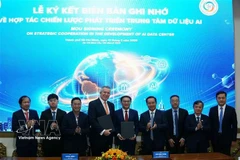
Certificates of membership in the Vietnam International Financial Centre in Da Nang were also awarded, along with a cooperation agreement on digital transformation for the 2026–2030 period between the Da Nang People’s Committee and MobiFone, focusing on digital government, digital infrastructure, and digital economy and society.
The city's leaders reaffirmed Da Nang’s consistent orientation towards building a dynamic administration and a transparent, equitable business environment, while pledging to remain a reliable partner to the business community in pursuit of sustainable and prosperous development./.