Da Nang (VNA) - Over nearly three decades of development, Da Nang has established itself as one of Vietnam’s most dynamic and modern urban centres. Entering the 2025–2030 period, the city is pursuing a new aspiration – to become Vietnam’s gateway to international integration and a key regional growth engine.
A solid foundation from Vietnam’s “Most Livable City”
Between 2021 and 2025, Da Nang made significant strides in international engagement. The city expanded partnerships with 60 localities across 24 countries, signed 120 cooperation agreements, and hosted over 3,000 international delegations, including many at high levels.
Da Nang’s image is increasingly visible on the global diplomatic map, regularly hosting major events such as the ASEAN Ministers’ Meeting on Information, “Meet Da Nang 2024”, and the upcoming “Forum of Friendship and Cooperation Cities 2025”.
Economic diplomacy has become a powerful lever, helping to broaden the city’s development landscape. Da Nang has licensed 288 domestic projects worth over 208 trillion VND, alongside 797 foreign direct investment (FDI) projects with total capital exceeding 1.07 billion USD. Import–export turnover reached 41 billion USD; ODA capital surpassed 14.8 trillion VND, and non-governmental aid totalled 1.43 trillion VND — all contributing significantly to healthcare, environmental protection and social welfare.
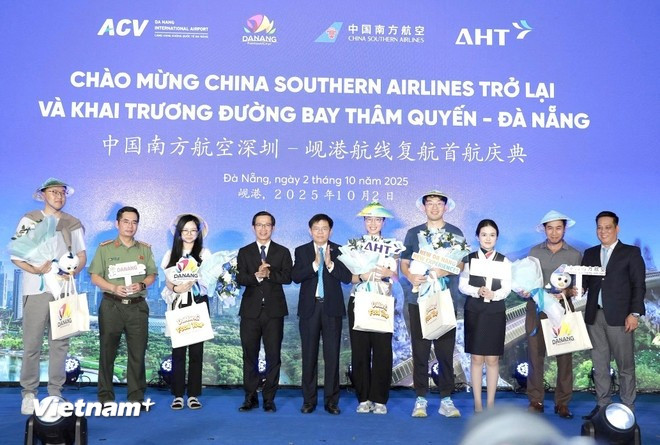
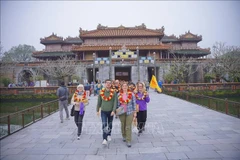
Tourism has also flourished, drawing more than 36 million visitors over five years, including 11.7 million international arrivals. Signature events such as the Da Nang International Fireworks Festival, IRONMAN 70.3, and the National Tourism Year have strengthened its reputation as Vietnam’s “fireworks capital”.
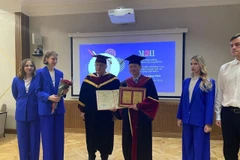
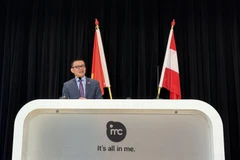
Deputy Director of the Diplomatic Strategy Research Institute Tran Thanh Hai noted that Da Nang had reaffirmed its role as one of the key drivers of Central Vietnam’s growth and a proactive locality in international cooperation.
He added that the city enjoyed “right time, the right place, and the right people” to rise strongly in the new era.
Integration opens new opportunities and vision
Building on these achievements, Da Nang is entering the 2025–2030 phase with a bold vision: to consolidate its position as an economic, political and cultural hub, while aspiring to become an international financial centre and a free trade zone.
The merger of Quang Nam and Da Nang opens vast development potential, creating a new metropolitan area with nearly three million residents and an area of over 11,600 square kilometres. The merger enables urban expansion, high-tech industry growth, logistics and modern commercial services.
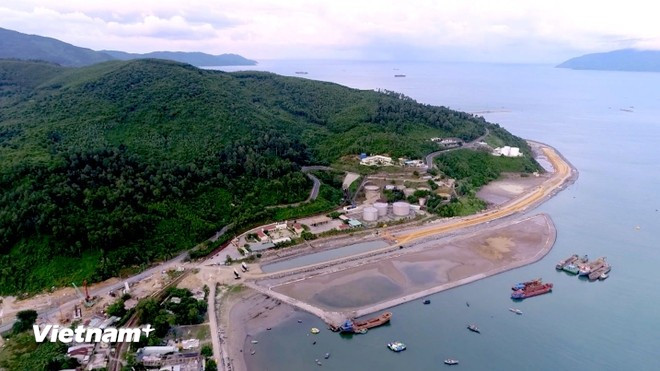
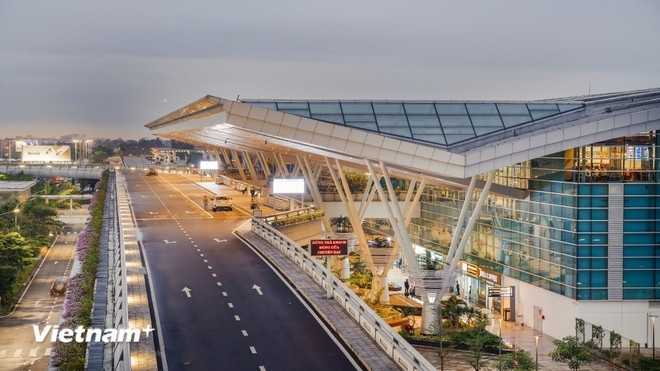
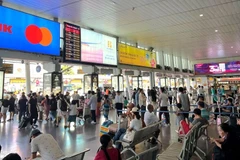
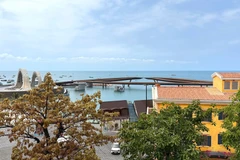
Strategic infrastructure is taking shape: Tien Sa Port connects with Chu Lai, while the upcoming Lien Chieu Port is set to become a regional logistics hub. Da Nang and Chu Lai airports will jointly expand international air transport. Meanwhile, the Da Nang High-Tech Park and Chu Lai Open Economic Zone are forming an ecosystem that combines advanced technology with large-scale manufacturing.
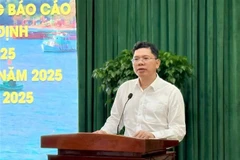
Nguyen Trung Kien, Head of the State Committee for Overseas Vietnamese, remarked that the newly expanded space reflected not just geographical growth, but also Da Nang’s determination to become a regional financial and free trade centre — a gateway to the Pacific and a key node in global flows of trade, investment and knowledge.
To realise this vision, Da Nang plans to enhance its research and forecasting capacity, anticipate international cooperation trends, and continue leveraging economic diplomacy to attract FDI in high-tech, logistics and sustainable tourism. Regional connectivity will also be prioritised, particularly through the Nam Giang – Dak Ta Ooc Border Gate, envisioned as a new international trade corridor.
Deputy Minister of Foreign Affairs Nguyen Tuan Anh affirmed that Quang Nam and Da Nang were jointly developing a leading regional hub for economy, culture and innovation. He added that the city possessed all the favourable conditions to become a vital link between Vietnam and ASEAN.
From Vietnam’s “Most Livable City”, Da Nang now stands on the threshold of becoming the country’s new centre for international integration./.