Dong Thap taps into cultural architecture of Dong Hoa Hiep ancient village

The architectural and artistic relic of Dong Hoa Hiep was recognised as one of national significance by the Ministry of Culture, Sports, and Tourism in 2017.

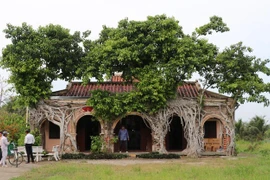
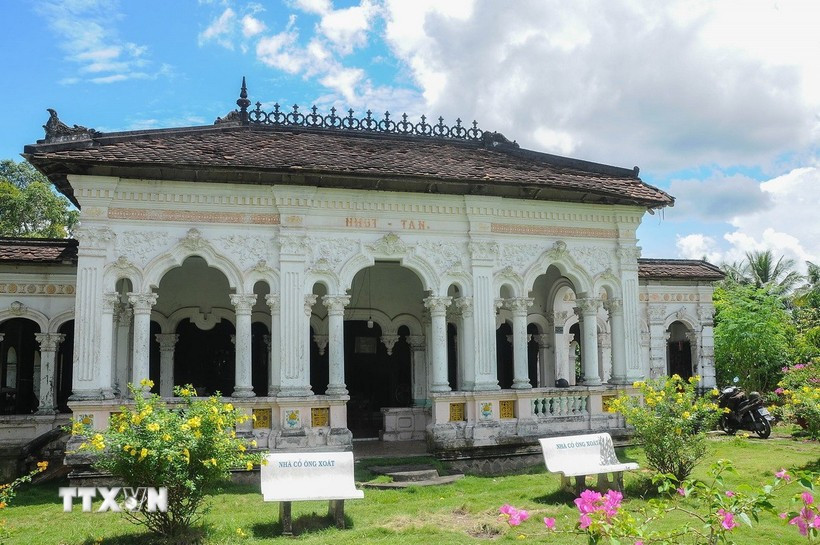
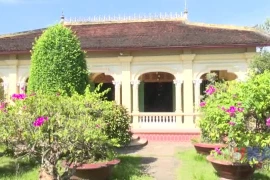
Ancient houses in Dong Hoa Hiep village boast a harmonious combination of Eastern and Western architectural styles. (Photo: VNA)

Dong Thap (VNA) – Dong Hoa Hiep ancient village in Cai Be commune, the Mekong Delta province of Dong Thap, is an attractive destination drawing a large number of domestic and international visitors to its century-old houses and unique architecture.

Dong Hoa Hiep, located in Cai Be commune of Dong Thap province (previously Dong Hoa Hiep commune of Cai Be district, Tien Giang province), is home to seven houses dating back 150–220 years, and 29 others built between 80–100 years ago. It is one of the three ancient villages in Vietnam selected by the Vietnam National Authority of Tourism and the Japan International Cooperation Agency (JICA) for investment to develop rural tourism. It was one of the top attractions in former Tien Giang province.

The architectural and artistic relic of Dong Hoa Hiep was recognised as one of national significance by the Ministry of Culture, Sports, and Tourism in 2017. Two ancient houses, those of Le Quang Xoat and Vo Van Vo, in the village have been classified as provincial-level historical – cultural relic sites.

Nguyen Thanh Tuan, Vice Chairman of the Cai Be commune People's Committee, shared that in the coming time, to guide the development of Dong Hoa Hiep ancient village and promote sustainable tourism, the administration will collaborate with the owners of the ancient houses and businesses to tap into the potential of this national heritage site.

Additionally, local authorities plan to survey all the ancient houses in Dong Hoa Hiep and establish a tourism management board for the village to implement planning and investment projects. With these efforts, this village is expected to become an ideal model for developing waterway ecotourism linked to ancient houses in the Mekong Delta, said Tuan.
dong-hoa-hiep-2.jpg
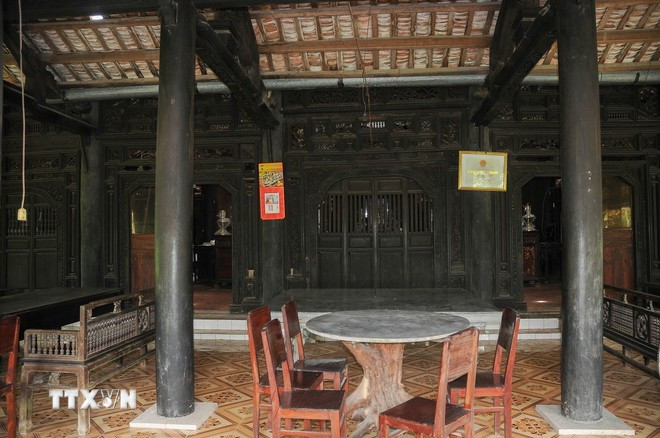
Houses in Dong Hoa Hiep still preserve many valuable old objects. (Photo: VNA)

Following Plan No. 521/KH-UBND, issued on November 12, 2025 by the Dong Thap provincial People’s Committee, the sixth culture and tourism festival of Dong Hoa Hiep ancient village is taking place from December 3 to 7. It aims to preserve and promote the architectural and cultural values of this village while engaging the local community in sustainable tourism development, according to Tuan.

This year’s festival, themed "Memories of the Ancient Village", features a variety of activities. Highlights include a heritage journey showcasing Dong Thap’s historical relic sites and traditional culture, local OCOP (One Commune Once Product) items, and agricultural specialities, alongside demonstrations of famous local crafts such as weaving, silk-making, and rice paper production.

The festival also includes a famtrip programme that enables participants to explore the province’s top tourist spots to design new tourism routes linking to Dong Hoa Hiep. Besides, a seminar is planned to discuss the development of new tourism products, including those connecting this ancient village with other destinations in and outside Dong Thap.

A major attraction this year is the reenactment of the Cai Be floating market – a cultural signature in the Mekong Delta, offering visitors a unique waterway dining experience with local dishes and specialities. A folk-dance programme, a storytelling competition, and a Vietnamese goods fair are also expected to add to the festival’s appeal./.
VNA

See more

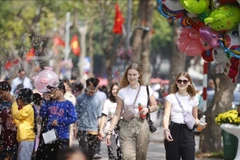
Tourists enjoy leisure activities around the Hoan Kiem Lake pedestrian zone. (Photo: VNA)

Hanoi posts sharp rise in visitors, revenue

In December, the Hanoi tourism sector will focus on completing a project to reform the management, conservation and promotion of the Huong Son (Perfume Pagoda) Special National Relic Site; continue surveys on community-based, agricultural and night-time tourism offerings; and host the 2025 Hanoi Craft Village and Craft Street Cuisine and Tourism Festival. Preparations are also under way for participation in the National Green Tourism Forum in Lam Dong.

In November alone, the capital city receives 2.5 million visitors, an increase of 14.7% year-on-year (Photo: hanoimoi.vn)

Hanoi attracts nearly 31 million visitors in January-November

The city received 2.5 million visitors in November alone, up 14.7% from the same period in 2024. Of these, foreign tourist arrivals reached 851,100, rising 25%, while domestic tourists totalled 1.65 million, up 10%. Tourism revenue in November was estimated at 11.36 trillion VND, up 18.4%.

The programme includes business-to-business (B2B) meetings to promote cooperation between Vietnamese and Australian enterprises (Photo: VNA)

Vietnam introduces unique tourism, travel cooperation potential in Australia

VNAT Deputy Director Ha Van Sieu stressed that Vietnam is recognised as one of the top travel destinations in Southeast Asia, offering endless beauty and rich cultural heritage, where visitors can explore UNESCO World Heritage sites, relax on tropical beaches stretching over 3,000 km nationwide, and enjoy world-class hotels, resorts, and entertainment services.

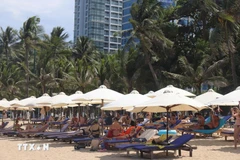
Russian visitors enjoy the beach in Nha Trang (Photo: VietnamPlus)

Vietnam remains preferred destination for Russian tourists

Despite recent unfavourable weather conditions in several Vietnamese localities, Russian travel companies reported no cancellations or reductions in tour bookings to Vietnam, indicating that the country remains a highly attractive destination for Russian holidaymakers.

Digital, green transformation key to Vietnam’s tourism future

Digital, green transformation key to Vietnam’s tourism future

Climate change and intense global competition have pushed Vietnam’s tourism sector to restructure toward sustainability, adaptability, and innovation. Within this context, digital transformation and green transition have been identified as two strategic pillars.

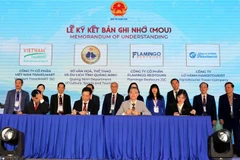
The signing ceremony of the memorandum of understanding on tourism cooperation between Quang Ninh and various enterprises and localities. (Photo: VNA)

Quang Ninh province hosts first-ever Vietnam Travel Day

The inaugural Vietnam Travel Day reflects the strong determination of the Vietnam Tourism Association and Quang Ninh to realise the Government’s 2025 growth targets. The event aims to renew mindset and action in Vietnam’s travel sector, fostering its role as a pioneer in developing tourism into a spearhead economic sector.

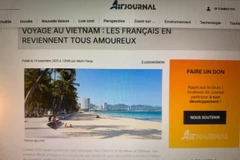
According to air-journal.fr, many French travellers recommend the country for its blend of culture, landscapes and local lifestyle. (Photo: website screeshot)

Vietnam’s tourism boom fuels strong growth in French arrivals

French arrivals have climbed by 55% over the past year, making Vietnam the fastest-growing long-haul destination for the French market. SETO, the French tour operators association, lists Vietnam among the country’s most popular winter destinations, alongside Egypt and the Dominican Republic. Historical ties and French-influenced architecture in Hanoi and Ho Chi Minh City remain strong draws for travellers.

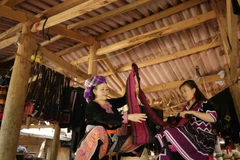
Local residents continue to preserve their traditional ethnic costumes and still craft these garments by hand. (Photo: baotintuc.vn)

Cultural identity underpins community tourism growth in Sin Suoi Ho

Located at nearly 1,500 m above sea level and surrounded by pristine forests and majestic mountains, Sin Suoi Ho enjoys a cool climate year-round. The village is home entirely to ethnic Mong people, who have preserved their traditional cultural values for generations, from wooden houses and stone fences to musical instruments, farming tools, and communal ways of life.

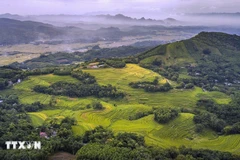
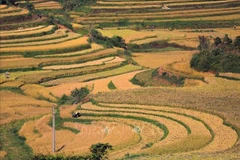
The ripened rice fields in Mien Doi (Phu Tho province) spread out like golden terraces. (Photo: VNA)

Vietnam's tourism sector accelerates in year-end “golden season”

Tourism revenue for the January-October period was estimated at 77.4 trillion VND (2.93 billion USD), up 19.8% year-on-year, while accommodation and food service revenue climbed 14.6% to 695.1 trillion VND. Major destinations including Hanoi, Ho Chi Minh City, Quang Ninh, Khanh Hoa and Phu Quoc all reported sustained increases in international arrivals.

Tourists visit an eco-tourism site in the U Minh Ha forest in Ca Mau province (Photo: VNA)

Mekong Delta ramps up cultural, tourism events to hit visitor goals

Localities in the Mekong Delta are striving to improve the quality of cultural and tourism products through standout events, aiming to attract visitors in the remaining months of the year, contributing to Vietnam’s goal of welcoming 25 million international arrivals and 150 million domestic tourists in 2025.

Foreign tourists visit Hoi An Ancient Town in Da Nang city on November 1, 2025, shortly after floodwaters recede. (Photo: thanhnien.vn)

Vietnam sees record foreign tourist arrivals despite stormy season

The National Statistics Office's data showed the number of foreign tourist arrivals reached 1.73 million in October, up 13.8% month-on-month and 22.1% year-on-year, the highest monthly tally ever. January-October volume hit nearly 17.2 million, a 21.5% annual increase.