Hanoi (VNA) – As global medical tourism expands rapidly, Vietnam is emerging as a new destination thanks to its high-quality healthcare services, competitive costs and growing medical expertise.
With coordinated action from ministries, sectors and strategic national planning, medical tourism is expected to become a spearhead industry, generating major revenue while elevating Vietnam’s international profile.
The global medical tourism market hit around 100 billion USD in 2024 and is expected to grow by 15–25% annually. It brings clear socio-economic benefits. Thailand makes 600–700 million USD annually from heart surgeries and cosmetic procedures at 25,000–30,000 USD, compared to about 100,000 USD in the US. Malaysia earns roughly 1.7 billion USD from medical services priced 30–50% lower than in many developed nations. The Republic of Korea brings in 4.3 billion USD from oncology and cosmetic treatments. Japan sees 13 billion USD from a mix of onsen-based wellness tourism and cancer care.
Vietnam is following this global trend. The domestic medical tourism market was valued at around 700 million USD in 2024 and is projected to approach 4 billion USD by 2033, an average annual growth rate of 18%, significantly higher than the global average.
Deputy Minister of Health Prof. Dr Tran Van Thuan said medical tourism has become a strategic pathway that combines high-quality medical care with attractive travel experiences, generating foreign currency earnings while strengthening the nation’s image.
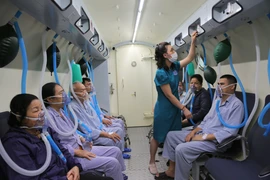
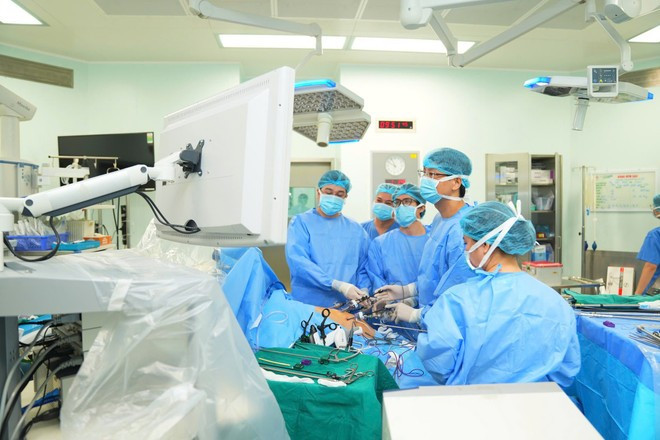
He noted that Vietnam enjoys competitive pricing and continually improving clinical expertise. Advanced procedures such as cardiovascular intervention, organ transplantation, IVF treatment and aesthetic dentistry are now widely available in Vietnam at considerably lower cost.
Dr Ha Anh Duc, Director of the Medical Services Administration, highlighted that dental implants cost 1,000–1,200 USD in Vietnam compared with around 5,000 USD in the US, with waiting times reduced to a minimum. Analysts believe the country could generate billions of dollars annually from foreign visitors and overseas Vietnamese if investment is coordinated and sustained.
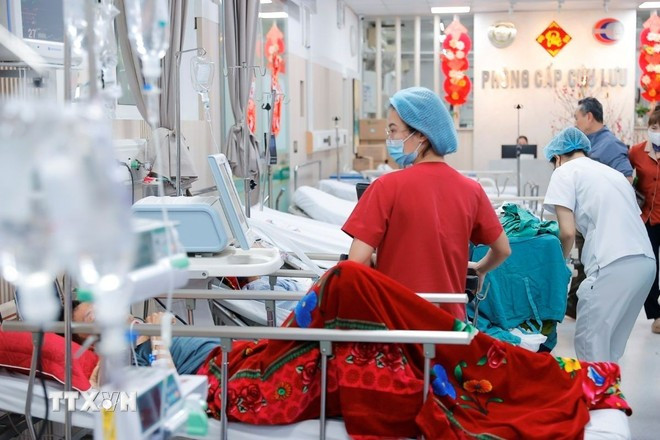
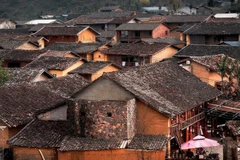
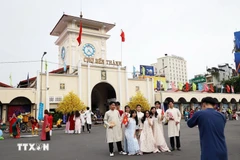
Vietnam’s natural and cultural assets, combined with political stability and the successful hosting of major international events, also create strong conditions for health and wellness tourism. Before COVID-19, Vietnam welcomed 300,000 foreign visitors annually for medical services, 40% of them in Ho Chi Minh City.
To fully unlock this potential, the Ministry of Health has developed a national plan to expand high-quality medical services and promote medical tourism from 2025 to 2030. The plan adopts a multi-sectoral approach, bringing together health, tourism, finance, foreign affairs and information technology. Standardised care pathways and comprehensive service packages such as short-stay treatment, IVF, cosmetic surgery, aesthetic dentistry and rehabilitation are being developed and linked with travel agencies and promotion programmes.
A key component of the plan is building a national quality framework for hospitals serving international patients, aligned with the US-based Joint Commission International (JCI) standards - the world’s most rigorous accreditation system and a “passport” for hospitals entering the global market.
Other priorities include visa policies, international insurance payment systems, medical data connectivity, language support, infrastructure upgrades and enhanced traveller safety.
According to Dr Duc, Vietnam is low-cost, coupled with skilled physicians, modern equipment and patient-centred care. High satisfaction rates, including among visitors from the Middle East, help strengthen Vietnam’s reputation as a safe and professional destination.
Beyond economic gains, medical tourism enhances clinical capacity, human resource development and hospital governance. For foreign patients, it offers both treatment and the chance to experience Vietnam’s culture and landscapes; for domestic patients, rising international standards translate into better care at home.
Medical tourism is therefore shaping up to be a strategic pillar in Vietnam’s long-term, value-driven development./.