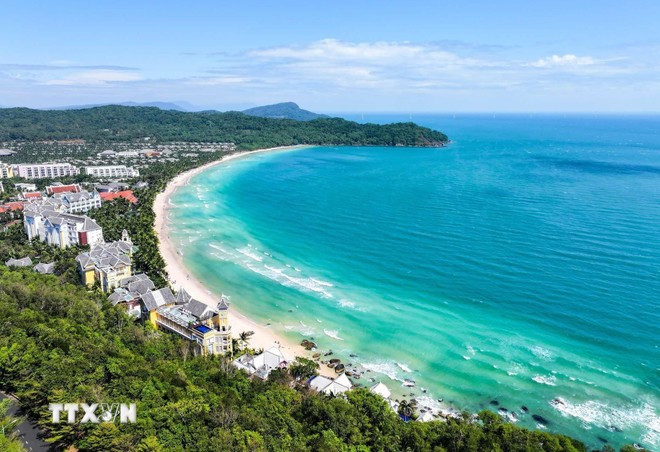
Hanoi (VNA) – Vietnam received more than 19 million international visitors in the first 11 months of 2025, representing a year-on-year increase of 20.9% and the highest figure ever recorded.
The result showed not only a robust post-pandemic rebound but also Vietnam’s strengthening position as an attractive destination on both the regional and global tourism map.
A dynamic market with rising visitor flows
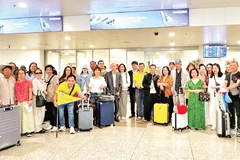
Travel enterprises reported that Vietnam is now catering to an increasingly diverse visitor base, ranging from independent and budget travellers and young experience-seeking groups to families, long-stay holidaymakers, MICE (Meetings, Incentives, Conferences, and Exhibitions/Events) travellers, as well as mid- and high-end customers. This breadth suggests that the market is growing not just in scale but also in segmentation.
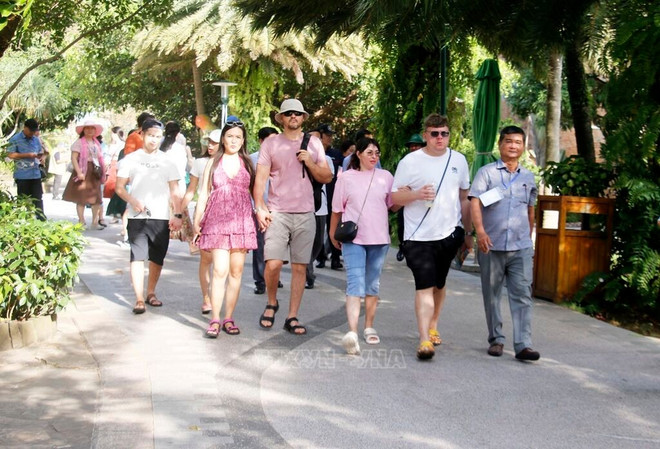
Nguyen Thi Khanh, Vice President of the Vietnam Tourism Association, said the surge in international arrivals clearly demonstrates the market’s appeal. She noted that visitors are shifting away from simple sightseeing towards immersive experiences and personalised services, with a greater willingness to spend.
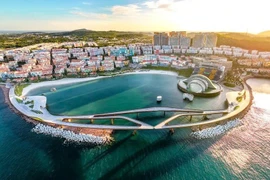
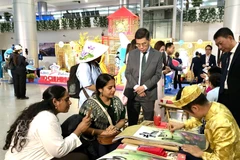
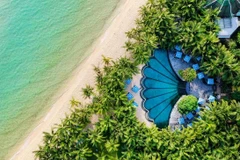
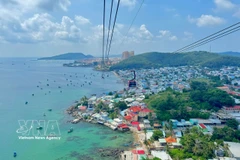
This trend is exemplified by Phu Quoc’s recent hosting of a multi-day wedding for an Indian couple. The event brought together luxury resorts, professional event organisers, premium catering and high-end transport services. Decoration and set-up costs alone were estimated at more than 2 million USD, excluding extended stays, private aircraft and customised services for hundreds of guests. Such events highlight Vietnam’s growing capability to provide high-value tourism products, a segment once dominated by only a few well-established destinations in the region, according to Khanh.
However, a broader assessment indicates that Vietnam’s key challenge is no longer attracting visitors, but increasing spending per capita. Industry estimates suggest that independent, short-haul travellers typically spend only a few million VND per trip.
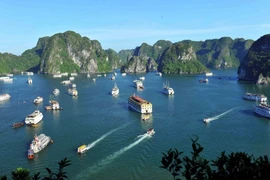
In contrast, mid- and high-end tourists may spend from tens of millions to hundreds of millions of VND. In recent months, thousands of international cruise and river cruise passengers have arrived at ports across various localities. This group is widely seen as a lucrative segment due to its strong demand for shopping, dining and sightseeing.
A new growth phase
The changing structure of visitor flows is the result of deliberate policy adjustments. In recent years, Vietnam has steadily adopted more open tourism policies, including broader visa exemptions, longer permitted stays, streamlined immigration procedures and gradual improvements to the service investment environment.
Notably, the National Assembly’s recent approval of policies to develop free trade zones is expected to create additional room for tourism growth, particularly by extending visitor spending chains.
Tourism product designer Phan Yen Ly observed that lessons from destinations such as Singapore and Dubai show that shopping tourism, entertainment and premium services are critical drivers for raising value per visitor.
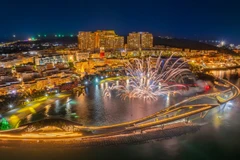
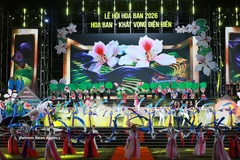
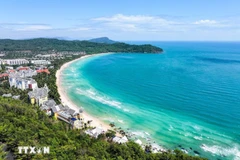
On the ground, many destinations across Vietnam have begun to reposition their tourism products. Phu Quoc is diversifying into event tourism, destination weddings and upscale resort experiences. Major cities are promoting MICE tourism, culinary tourism and shopping. Coastal and island tourism is increasingly guided by a selective, experience-focused and sustainable approach. Meanwhile, Con Dao special zone of Ho Chi Minh City is often cited as a model of controlled development based on ecological values and distinctive positioning.
Reflecting on a 10-day trip to Vietnam, Mark Johnson, a visitor from Australia, said he had first visited the country seven years ago. On his return, he found service quality improved, experiences more varied and travel more convenient, adding that he was willing to spend more on experiential tours and local food.
Similarly, Ananya Sharma, an Indian guest attending a wedding in Phu Quoc, said she was impressed by the standards of resorts, cuisine and event organisation services, noting that the destination compares favourably with other renowned regional tourism hubs.
Overall, the influx of international visitors in 2025 offers a rare window of opportunity for Vietnam’s tourism sector. The pressing task now is to enhance service quality and diversify products so that visitors stay longer and generate higher economic value. If achieved, million-dollar events, cruise ship arrivals and selectively developed destinations will no longer be single successes and instead become integral components of a sustainable value chain for Vietnam’s tourism industry./.