Hanoi (VNA) – Amid strong post-pandemic recovery and intensifying competition from regional destinations, Vietnam’s tourism sector is entering a new development phase in which digital technology is emerging as a key lever to transform management, business operations and visitor services, paving the way for more sustainable growth.
A journey that begins with a smartphone
In recent years, digital transformation has become a common feature in socio-economic development strategies. For tourism – a multi-sector, experience-driven industry closely tied to information – digitalisation is no longer a trend but an inevitable requirement to enhance competitiveness and ensure sustainable development.
According to the Vietnam National Authority of Tourism (VNAT), the Fourth Industrial Revolution has profoundly changed travellers’ habits. Today, most tourists search for destination information online, read reviews before booking services, make cashless payments and share their experiences on social media. A trip now often begins with a smartphone rather than at an information desk or through printed brochures as in the past.
“The convenience of online tourism services allows me to quickly and easily choose destinations, tour products and accommodation,” said Dao Viet Anh, 26, from Hanoi. “From buying air tickets and booking hotels to selecting attractions, everything can be done on a small smartphone.”
Returning from a Lunar New Year visit to Hanoi, Trinh Ha Minh, 43, from Quang Tri province, said that digitalised destination management and online operations have provided travellers with a wider range of service options.
“Through online booking platforms, we can compare prices and service quality based on images provided by businesses and reviews from previous customers,” she added.
Changes in tourists’ behaviour show that travel is increasingly intertwined with the digital environment, requiring destinations to strengthen their online presence.
From a management perspective, as visitor numbers rise and markets fluctuate rapidly, the tourism industry needs timely data on travellers’ behaviour, spending and experiences. Comprehensive and updated information is essential for realistic policy making and effective promotion.
Digital transformation in tourism is being implemented within the broader framework of the national digital transformation agenda, notably Politburo Resolution No. 57-NQ/TW dated December 22, 2024 on breakthroughs in science, technology, innovation and national digital transformation.
The sector aims to build a smart tourism ecosystem to support three main stakeholder groups.
For state management, digital transformation enables seamless data connectivity from central to local levels, destinations and enterprises, providing timely information on markets, visitor flows and consumption trends. This facilitates evidence-based policy making, destination planning and market promotion.
For businesses, digital tools create new opportunities to promote products, reach customers, manage bookings and improve customer care. As most tourism enterprises are small and medium-sized, digital transformation serves as a lever to help them access markets, enhance management efficiency and strengthen competitiveness.
Most importantly, digitalisation enhances visitor experiences. Tourists can access clear information, book services easily, make convenient payments and reduce administrative procedures. Seamless experiences before, during and after trips increase satisfaction and the likelihood of return visits.
The United Nations World Tourism Organisation has identified digital transformation as a strategic priority, promoting the use of digital technology, sustainable initiatives and inclusive growth to develop smarter and more sustainable tourism ecosystems worldwide.
Building smart tourism ecosystem
When digital transformation is implemented in a synchronised and scientific manner, a smart tourism ecosystem will gradually take shape. In such an ecosystem, information is interconnected, services are integrated and visitor experience is placed at the centre. Tourists can search for destinations, book services, make payments and enjoy experiences through a single smart device, while management and service provision become more efficient and timely.
According to the VNAT, the core factor determining the success of a smart tourism ecosystem is the formation of big data systems and shared digital platforms to ensure data connectivity, resource savings and avoid fragmented implementation.
The authority has rolled out several key platforms, including the Vietnam Tourism Database System integrating data on travel enterprises, accommodation establishments, tour guides and tourist sites, some of which are updated in real time.
A nationwide tourism statistics reporting software system supports localities and businesses in complying with regulations of the Ministry of Culture, Sports and Tourism.
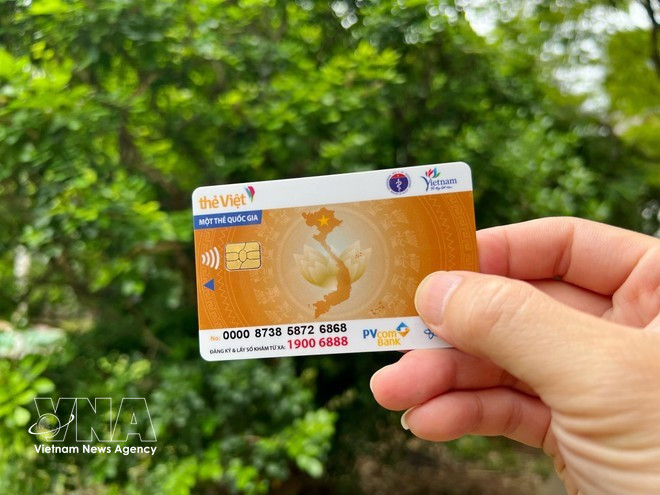
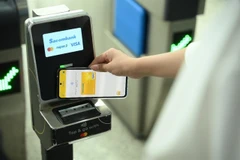
The Viet Card – a smart tourism card developed with modern, secure technology – facilitates safe and convenient cashless payments. It has been integrated into the “Vietnam Travel” application, which offers multiple utilities such as destination information lookup, digital maps, flight and hotel bookings, ticket purchases, shopping and feedback to authorities.
An electronic ticketing system designed under the “online–interconnected–multi-method” model has been applied at various attractions in Hanoi, including the Temple of Literature, the Ho Chi Minh Mausoleum complex, and the Vietnam National Museum of Fine Arts, helping optimise ticket control and reduce waiting time.
The vietnam.travel website serves as a digital “window” introducing Vietnam’s tourism image to the world, while social media channels further strengthen national brand positioning and global market outreach.
According to the authority, the gradual establishment and operation of shared digital platforms not only improve governance, business efficiency and visitor services but also lay the foundation for a data-driven tourism ecosystem. As these platforms are expanded, the industry will gain the “soft infrastructure” needed to accelerate growth in a new development phase, shaping a professional, modern, smart and competitive tourism sector./.