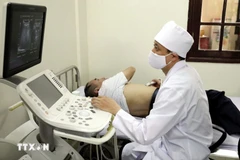
Hanoi (VNA) – The Ministry of Health (MoH) and the Ministry of Culture, Sports and Tourism have signed a memorandum of understanding (MoU) on cooperation in developing sustainable, effective health and tourism services for the 2025–2030 period, the MoH announced on September 12.
The agreement seeks to position Vietnam as a trusted destination for medical and tourism services in the region and worldwide.
According to the MoU, the two ministries will maximise the potential, advantages, and resources of both the healthcare and tourism sectors, contributing to socio-economic development in the new era.
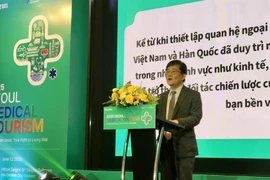
Dr. Ha Anh Duc, Director of the MoH’s Department of Medical Services Administration, revealed that the ministry is seeking feedback on a draft plan to develop high-quality medical services and promote medical tourism for 2025–2030. The plan aims to attract international patients as well as affluent Vietnamese who currently seek treatment abroad.
The initiative will focus on improving the overall quality of leading hospitals, specialised medical centres, and other qualified facilities to meet national and international standards. This will gradually help attract foreign patients and reduce the trend of Vietnamese seeking treatment overseas.
Countries like Thailand, Singapore, the Republic of Korea, Malaysia, and China have successfully developed medical tourism models, Duc noted.
However, challenges remain. Vietnam’s hospitals face issues of quality, financial mechanisms, and infrastructure. Each year, about 40,000 high-income Vietnamese travel abroad for medical treatment, leading to a loss of foreign currency and undermining the reputation of domestic hospitals.
Although many facilities have been upgraded, hospital infrastructure, patient amenities, and service spaces often fail to meet the expectations of foreign patients and high-spending domestic clients. Overcrowding at specialised departments also hampers the expansion of premium services.
The draft plan sets a goal that by 2030, at least 15 hospitals nationwide, including both public and private, will achieve international accreditation (such as JCI standards), with a minimum of five public hospitals. All pilot hospitals must also establish international marketing and communications units, providing information in at least three languages – Vietnamese, English, and either Chinese or Korean.
Advancing medical tourism
Minister of Health Dao Hong Lan highlighted that Vietnam’s healthcare system, after 70 years of development, has made major achievements that form a strong conerstone for building a medical tourism industry.
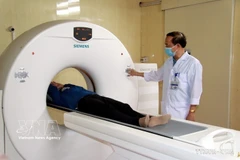
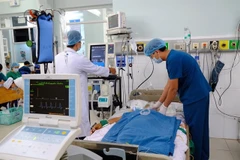
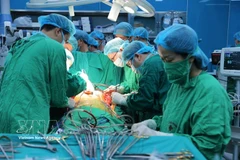
Vietnamese doctors now master advanced techniques such as robotic surgery, laparoscopy, organ transplants, cancer and infectious disease treatment, and specialised surgeries in ophthalmology, ear, nose, and throat, and cardiology. Many have been trained at leading institutions at home and abroad and are highly regarded by international peers.
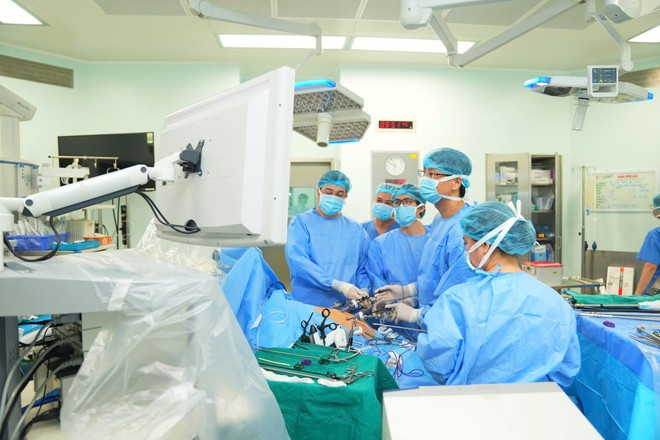
Some procedures such as laparoscopic heart and thyroid surgery, have even drawn foreign specialists to Vietnam to learn.
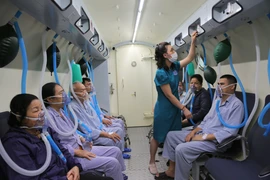
Meanwhile, traditional medicine has gained increasing global recognition for methods such as acupuncture and acupressure.
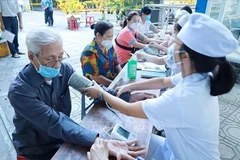
Over the last five years, service quality in hospitals has improved markedly. Facilities have modernised operations, boosted staff training, and adopted patient-centred approaches in efforts to win patients’ satisfaction.
According to Minister of Culture, Sports and Tourism Nguyen Van Hung, the tourism sector will promote health and wellness tourism by linking medical facilities with hospitality service providers. Meanwhile, the health sector will expand high-quality services and collaborate with tour operators to attract more foreign patients to Vietnam.
Tourism promotion campaigns will highlight Vietnam’s medical strengths, including traditional medicine, advanced treatments, and specialised care. Hospitals will also participate in international marketing programmes to showcase the country’s healthcare capabilities.
Health Minister Dao Hong Lan said that the health sector will coordinate with the tourism sector to popularise the quintessence of Vietnamese medicine, introduce medical tourism service packages, and participate in domestic and overseas tourism promotion events./.