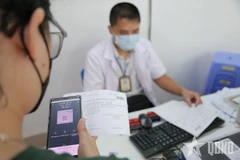
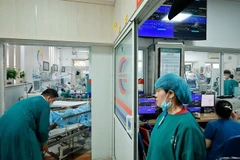
The Government will spend 2.269 trillion VND (100 million USD) over the next two years on buying five active substances and 22 types of drugs for public hospitals and healthcare centres (Photo: soha.vn)
 Hanoi (VNA) - The Government will spend 2.269 trillion VND (100million USD) over the next two years on buying five active substances and 22types of drugs for public hospitals and healthcare centres.
This was the main result ofthe first ever national centralised bidding for procurement of medicines heldon December 11.
Of the 22 drugs, five arespecialised drugs and the remaining 17 are generic ones.
Health Ministry officialssaid the bidding helped save over 477 billion VND (21 million USD) for theState budget. Under the earlier decentralised procurement process, the ministryestimates the pharmaceutical products would have cost about 2.746 trillion VND(121 million USD).
Deputy Health Minister PhamLe Tuan said that when the bids were organised separately by localities, hospitalsor healthcare centres, the costs of a drug differed greatly, and were alsolikely to be more expensive.
The centralised biddingprocess would have the added advantage of making it easier to manage thesupply, cost and quality of drugs, Tuan said.
Deputy Director General of VietnamSocial Security Pham Luong Son, said that the centralised bidding was expectedto be an effective way to ensure supply of proper medicines to patients atreasonable costs as well as increase efficiency of using health insurance fundsfor medical check-ups and treatment.
The Health Ministry hadannounced in March 2017 the establishment of the National Centralised DrugProcurement Centre (NCDPC) to handle shortcomings in the then prevalentbidding process and drug price management in the country.
The centre, functioningunder the Health Ministry, will assume responsibility of organising bids forprocuring pharmaceutical products compiled after collecting requirements frompublic hospitals and healthcare facilities nationwide.
The centre will alsonegotiate prices for drugs on the list in accordance with the law.
Bids for drugs outside thelist of centralised bidding will be conducted at all three levels – central,provincial and lower-level State-run facilities –under the management of thenew centre.
Officials say this willcontribute to effective utilisation of health insurance funds for medicalcheck-ups and treatment, enhance fund balancing capability and ensure therights of patients with health insurance.
According to Vietnam SocialSecurity, in 2015, the expenditure on medicines was 26 trillion VND, accountingfor 48.3 percent of the health insurance fund.
Deputy Director of the HanoiHealth Department, Tran Van Trung, said that they had organised a localcentralised drug bidding procurement for the first time.
He said difficultiesremained relating to the four different lists of drugs, given that the processwas different, with some being handled by the Health Ministry and VietnamSocial Security, and others by localities or healthcare centres with their ownlists.
Trung said that for eachlist, bidding organisers would sign contracts with winning bidders and thecontract terms were different, causing difficulties for hospitals in receivingand paying for the medicines.-VNA
This was the main result ofthe first ever national centralised bidding for procurement of medicines heldon December 11.
Of the 22 drugs, five arespecialised drugs and the remaining 17 are generic ones.
Health Ministry officialssaid the bidding helped save over 477 billion VND (21 million USD) for theState budget. Under the earlier decentralised procurement process, the ministryestimates the pharmaceutical products would have cost about 2.746 trillion VND(121 million USD).
Deputy Health Minister PhamLe Tuan said that when the bids were organised separately by localities, hospitalsor healthcare centres, the costs of a drug differed greatly, and were alsolikely to be more expensive.
The centralised biddingprocess would have the added advantage of making it easier to manage thesupply, cost and quality of drugs, Tuan said.
Deputy Director General of VietnamSocial Security Pham Luong Son, said that the centralised bidding was expectedto be an effective way to ensure supply of proper medicines to patients atreasonable costs as well as increase efficiency of using health insurance fundsfor medical check-ups and treatment.
The Health Ministry hadannounced in March 2017 the establishment of the National Centralised DrugProcurement Centre (NCDPC) to handle shortcomings in the then prevalentbidding process and drug price management in the country.
The centre, functioningunder the Health Ministry, will assume responsibility of organising bids forprocuring pharmaceutical products compiled after collecting requirements frompublic hospitals and healthcare facilities nationwide.
The centre will alsonegotiate prices for drugs on the list in accordance with the law.
Bids for drugs outside thelist of centralised bidding will be conducted at all three levels – central,provincial and lower-level State-run facilities –under the management of thenew centre.
Officials say this willcontribute to effective utilisation of health insurance funds for medicalcheck-ups and treatment, enhance fund balancing capability and ensure therights of patients with health insurance.
According to Vietnam SocialSecurity, in 2015, the expenditure on medicines was 26 trillion VND, accountingfor 48.3 percent of the health insurance fund.
Deputy Director of the HanoiHealth Department, Tran Van Trung, said that they had organised a localcentralised drug bidding procurement for the first time.
He said difficultiesremained relating to the four different lists of drugs, given that the processwas different, with some being handled by the Health Ministry and VietnamSocial Security, and others by localities or healthcare centres with their ownlists.
Trung said that for eachlist, bidding organisers would sign contracts with winning bidders and thecontract terms were different, causing difficulties for hospitals in receivingand paying for the medicines.-VNA
VNA