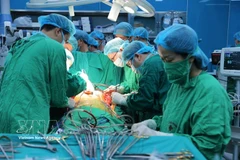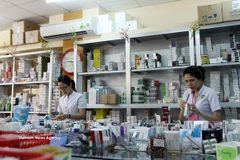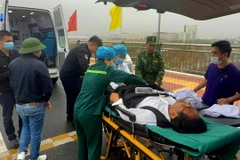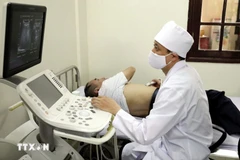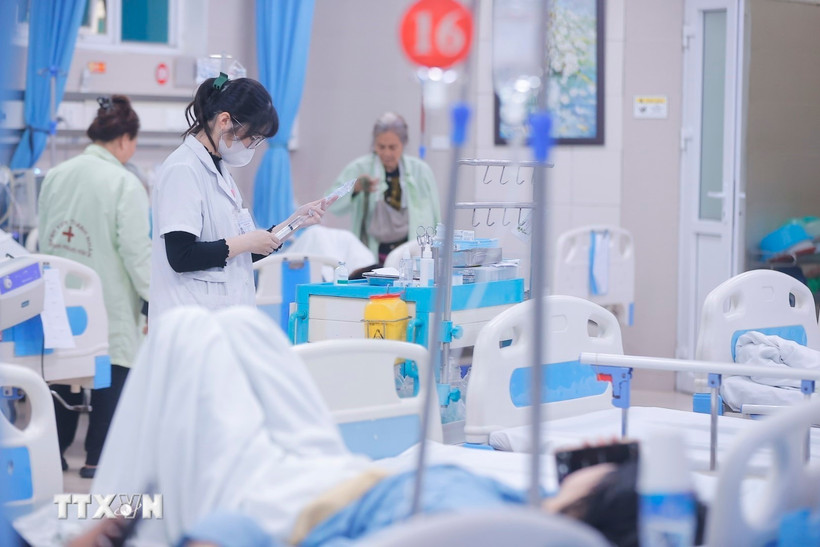
Hanoi (VNA) – The National Assembly on December 11 adopted a resolution on the National Target Programme on Healthcare, Population, and Development for the 2026–2035 period, marking a significant step in Vietnam’s long-term commitment to improving public health and population quality.
According to Associate Professor Phan Le Thu Hang, Deputy Director of the Planning and Finance Department under the Ministry of Health, with an implementation span of 10 years, the programme reflects a more strategic and sustained investment approach, designed to address increasingly complex health, population and development challenges amid new socio-economic conditions.
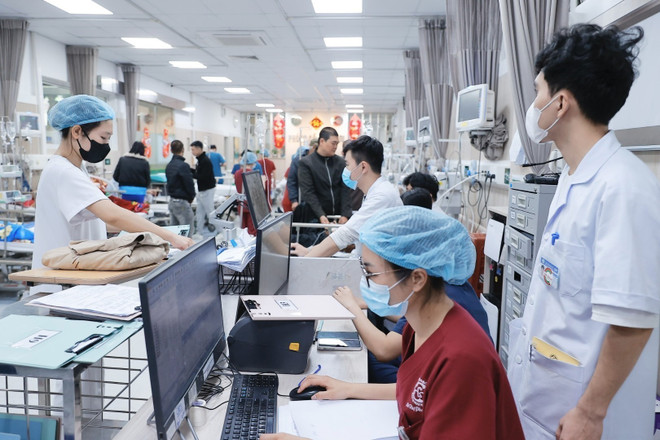
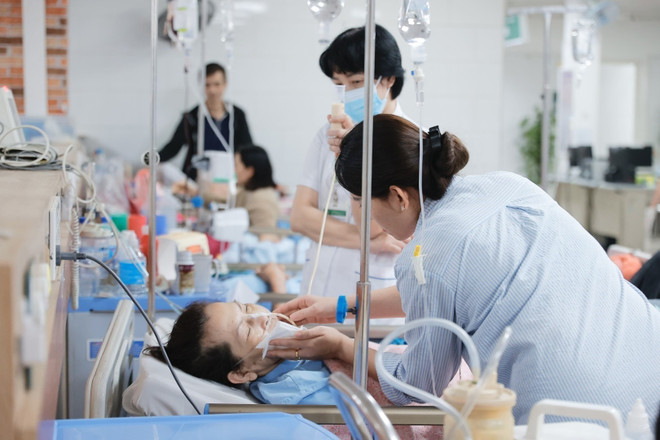
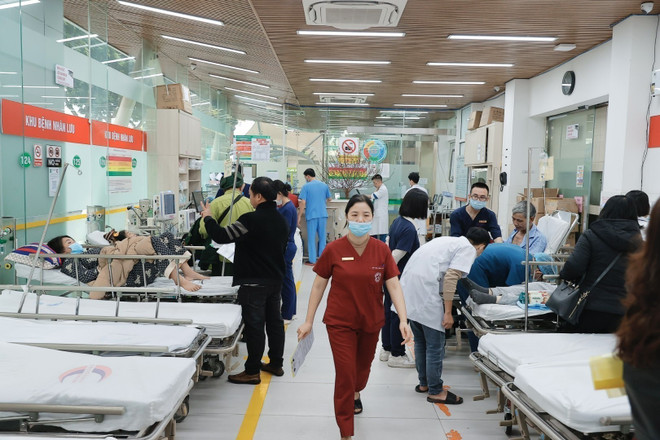
Compared with the National Target Programme on Healthcare and Population for 2016–2020, the new programme features a broader scope and more integrated approach. While previous efforts largely focused on addressing specific priority health issues—such as disease prevention and control, reducing mortality from infectious diseases, and curbing the rise of non-communicable diseases through medical interventions—the 2026–2035 programme aims to enhance overall physical and mental health, stature, longevity and quality of life through coordinated and multi-sectoral measures, said Hang, who is also head of the editorial team for the national target programme.

In a shift towards life-course-oriented healthcare, the measures combine disease prevention, medical examination and treatment, health management, health promotion, social assistance and community-based support.
Notably, population-related priorities have also been expanded. The programme places greater emphasis on improving population quality, adapting to population ageing and an ageing society, and enhancing social care services. For the first time, improving social care for vulnerable groups has been identified as a core priority and structured as a dedicated component project within a national target programme.
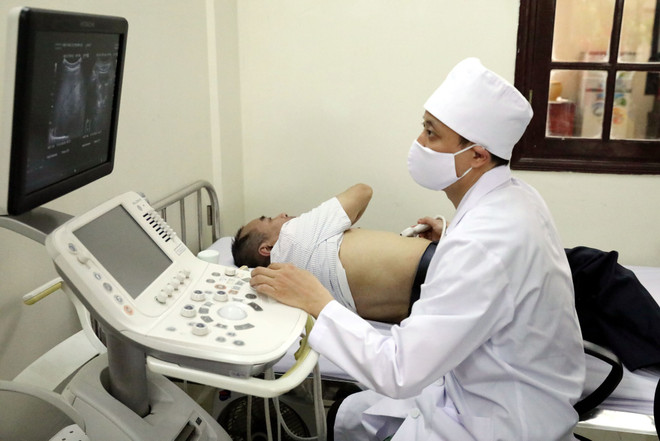
A key innovation lies in the programme’s strategic thinking and methodology. It demonstrates a clear transition from a treatment-centred model to a proactive approach that prioritises disease prevention and continuous, holistic health care throughout the life cycle. Instead of fragmented, issue-specific interventions, the programme adopts a systems-based approach that strengthens essential components of the health system, particularly grassroots health care and preventive medicine, to enhance overall capacity.
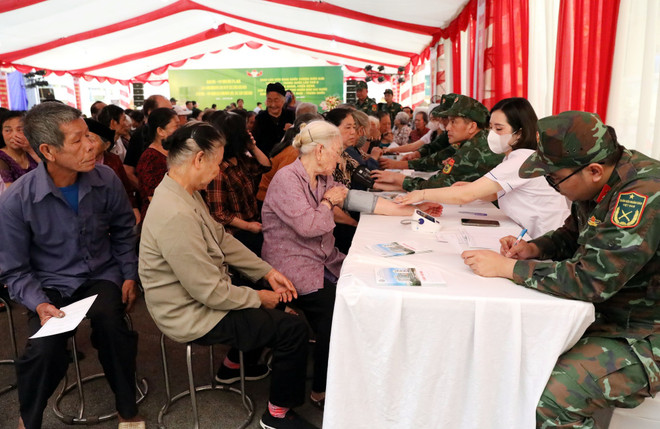
Structurally, the programme has been streamlined and optimised through integration. It comprises five component projects, compared with eight under the 2016–2020 programme, allowing for more efficient coordination and implementation.
The programme is supported by a substantially larger financial commitment. Total funding for the first five years (2026–2030) is estimated at 88.64 trillion VND (3.37 billion USD), approximately 4.5 times higher than the total investment allocated to the previous health and population programme.
Governance and management mechanisms under the new programme also underscore decentralisation and enhanced local autonomy. While the National Assembly decides the overall budget ceiling, the government assigns funding to ministries, central agencies and localities.
Provincial-level People’s Councils are empowered to allocate and adjust programme funds, with flexibility extended to lower administrative levels in accordance with decentralisation principles.
The programme closely aligns with the orientations set out in the Politburo’s Resolution No. 72-NQ/TW on breakthrough solutions to strengthen health protection, care and improvement in the new context. It reaffirms the central role of people in health policies and emphasises integrated interventions to improve physical and mental well-being, longevity and quality of life.
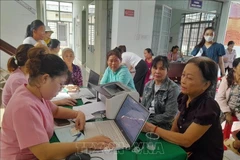
In line with Resolution 72, the programme prioritises upgrading and modernising grassroots healthcare and preventive medicine systems, shifting decisively from treatment-focused thinking to proactive disease prevention. It highlights the roles of preventive medicine, primary health care and traditional medicine, while investing in human resources, infrastructure and equipment for commune-level health stations to ensure early detection, early intervention and readiness for public health emergencies.
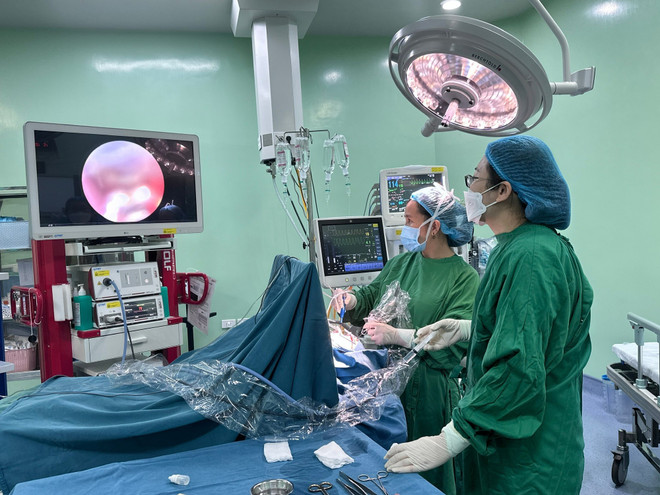
Although the proportion of mobilised non-State funding remains modest, this reflects the programme’s focus on essential health services for vulnerable populations in disadvantaged areas—services that are primarily the responsibility of the State and less attractive to private investment. Nevertheless, the health sector continues to engage development partners, non-governmental organisations and private-sector stakeholders to mobilise complementary resources.
With strong political commitment and close coordination among ministries, sectors and localities, the programme is expected to be rolled out from early 2026, contributing to sustainable improvements in national health and population outcomes./.