Hanoi (VNA) – Disease prevention and maternal and child healthcare have received special attention from the Party and State through a range of resolutions, strategies, and national target programmes in recent years.
Despite constraints from limited resources, natural disasters, epidemics, and socio-economic volatility, the health sector met major targets in 2025, while advancing legal and institutional reforms, broadening service access, and outlining a long-term development roadmap through 2035.
Maternal and child healthcare targets achieved
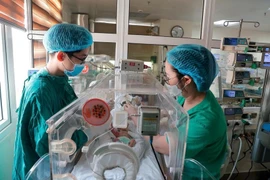
Coverage of early essential newborn care reached 85.06%, underscoring the impact of standardised protocols at health facilities. Child mortality rates continued to fall sharply. The under-five mortality rate in 2025 was estimated at below 16 per 1,000 live births, more than three times lower than the 1990 level. The infant mortality rate (under one year) declined fourfold to below 11 per 1,000, while the neonatal mortality rate dropped fivefold, from 44 per 1,000 in 1990 to 8.8 per 1,000 in 2025.
Nutrition outcomes improved markedly, with underweight prevalence among children under five falling nearly fourfold from 38.7% in 1998 to 9.6% in 2025, and stunting standing at 17.8%.
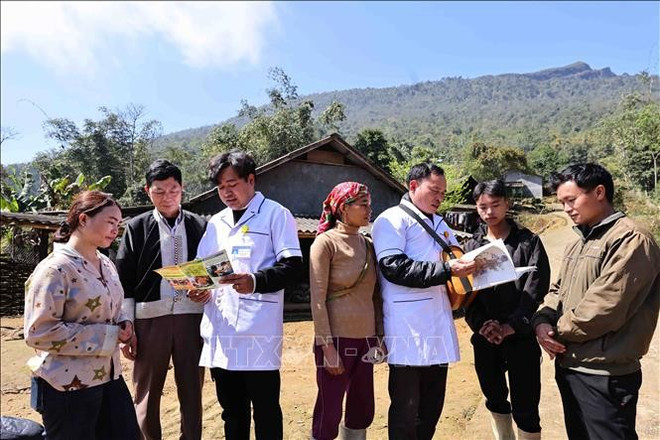
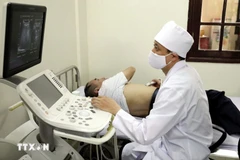
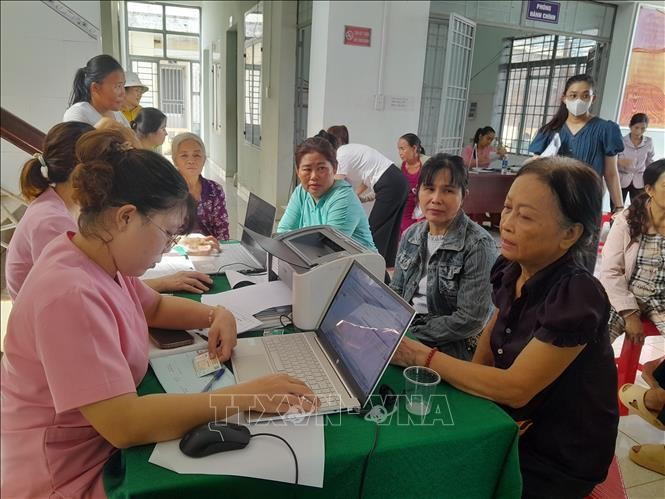
The social security net was further consolidated, with 100% of children under six receiving free health insurance cards and 95% of infants under one fully immunised. More than 85% of pregnant women completed at least four antenatal visits, while about 96% of deliveries are assisted by skilled health workers. Postnatal care within the first week after birth rose from around 65% in 2020 to 75%. The maternal mortality ratio declined sharply from 233 per 100,000 live births in 1990 to some 42 per 100,000.
In 2025, Vietnam advanced digital health adoption. The Ministry of Health's Department of Maternal and Child Health, working with relevant agencies, successfully piloted the Electronic Maternal and Child Health (eMCH) system in select localities. The platform integrates personal health records, automates reporting, and eases administrative workloads for healthcare workers.
Closing access gaps
Reviewing five-year progress of the 2021-2030 National Action Programme for Children, Director of the Department of Maternal and Child Health Dinh Anh Tuan noted comprehensive gains in child care, education, and protection. Legal and policy frameworks for children has been updated to meet international standards, better ensuring fundamental rights, particularly for those under six and in special circumstances.
Minister of Health Dao Hong Lan affirmed that her ministry will maintain coordination with other ministries, agencies, and international partners to further cut mortality rates and improve life quality for mothers and children. Priorities include sustaining safe, effective immunisation under the Expanded Programme on Immunisation to ensure all children receive full and timely vaccinations. The sector will also leverage research, advanced sci-tech, digital transformation, and IT tools.
Lan highlighted the National Assembly's approval of a resolution endorsing investment in the National Target Programme on Healthcare, Population, and Development for 2026–2035 as a landmark step, reflecting firm resource commitment to the area.
Looking ahead, the ministry plans to build a supportive legal environment for reproductive, maternal, and child health services. Proposals will be made to amend the Law on Children after nine years of enforcement to better address current needs. The sector will roll out the National Strategy on Child Development, embedding health goals into broader socio-economic plans, with priority given to narrowing and ultimately eliminating regional disparities in healthcare access so all children and citizens benefit from quality services, she said./.