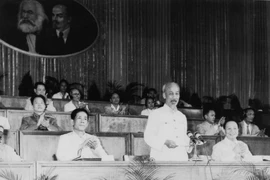
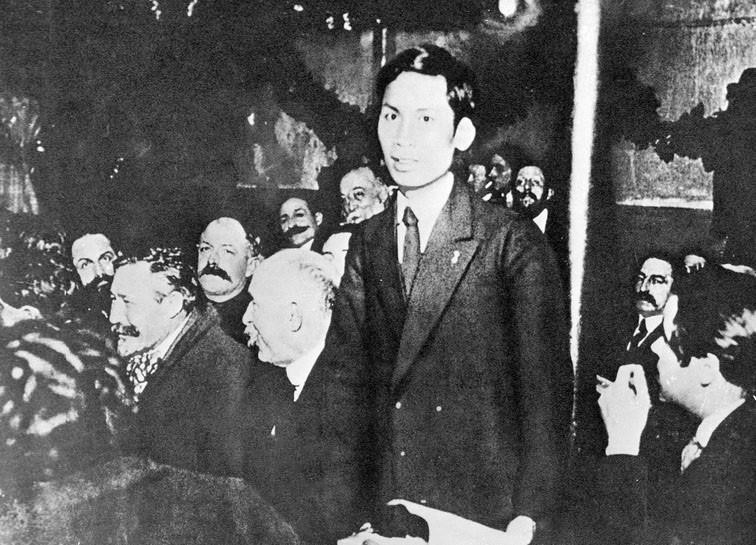
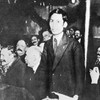
In December 1920, patriotic youth Nguyen Ai Quoc (the name used by President Ho Chi Minh during his revolutionary activities in France) attends the 18th Congress of the French Socialist Party in Tours as a delegate from Indochina. He supports Lenin’s Thesis on the National and Colonial Questions, endorses the founding of the French Communist Party, and becomes one of its founders, as well as the first Vietnamese communist. (Photo: VNA)
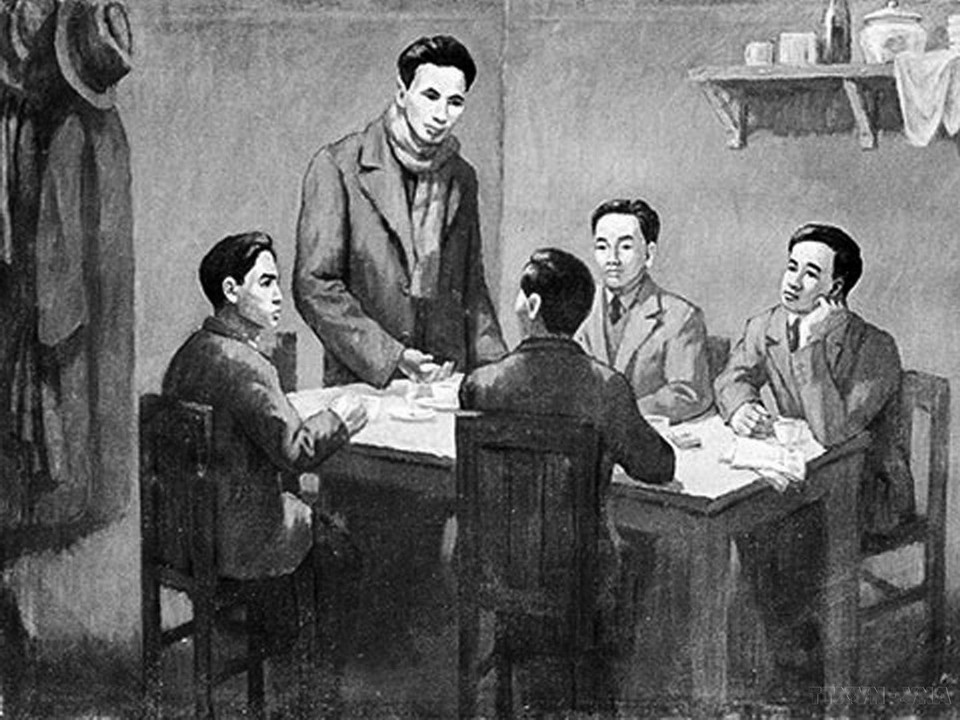
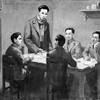
From January 6 to February 7, 1930, the conference to unify communist organisations and establish the Communist Party of Vietnam is held in Hong Kong (China) under the chairmanship of Nguyen Ai Quoc, representing the Communist International. (Photo: Published by VNA)
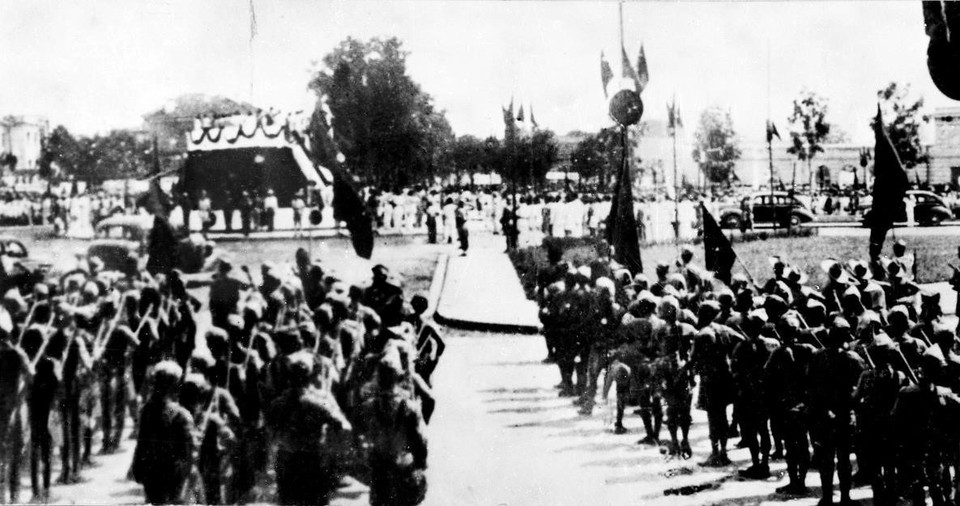
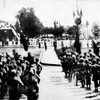
Large crowds gather at Ba Dinh Square as President Ho Chi Minh reads the Declaration of Independence on the morning of September 2, 1945. (Photo: VNA)
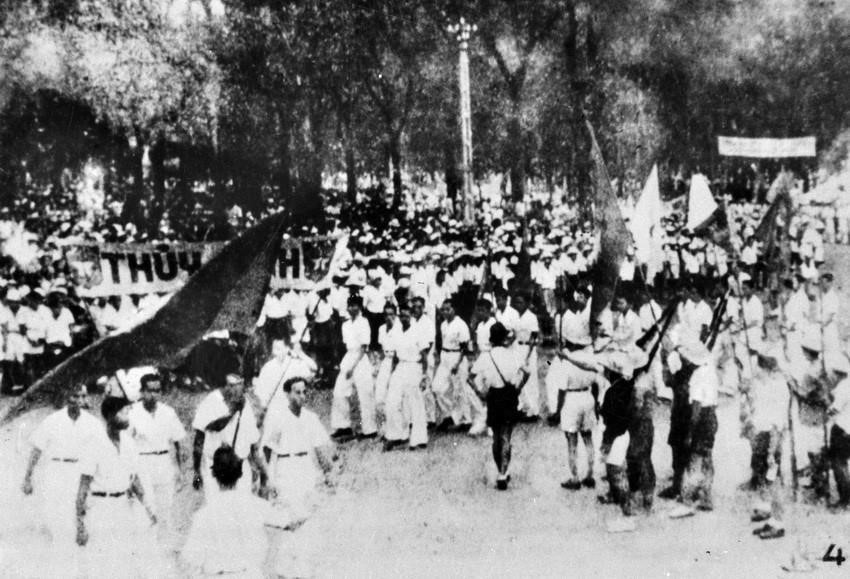
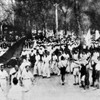
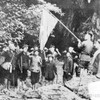
Saigon residents rise up to seize power on August 25, 1945, responding to the call for a general uprising issued by the Party Central Committee and President Ho Chi Minh. (Photo: VNA archive)
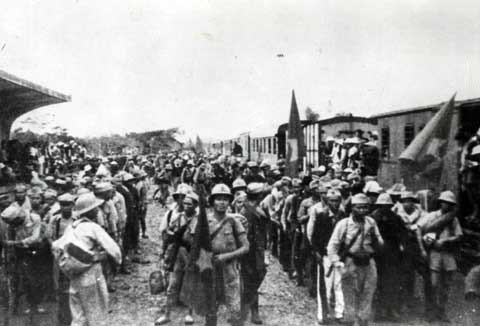
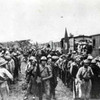
To support the resistance in the South against French colonial forces and in response to the call of the Party and President Ho Chi Minh, the “March to the South” movement spreads nationwide in diverse forms, with volunteers fighting alongside forces in the South and South-Central regions. In the photo: A “March to the South” unit gathers at Hang Co Station in Hanoi before departing to reinforce the southern front, September 1945. (Photo: archive/published by VNA)
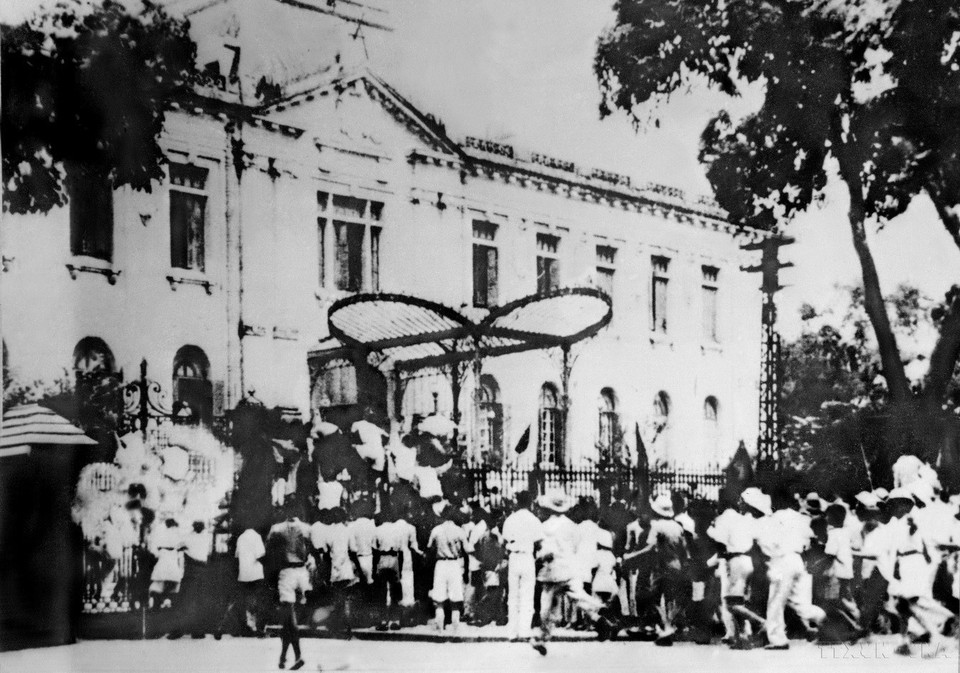
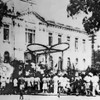
The August Revolution unfolds and succeeds within about two weeks, but the Party spends 15 years preparing for this historic victory, including building mass political forces, an essential factor in the revolution’s success. In the photo: On August 19, 1945, after a rally at the Hanoi Opera House Square, people of the capital seize the Tonkin Palace, the headquarters of the French puppet administration in the North. (Photo: VNA)
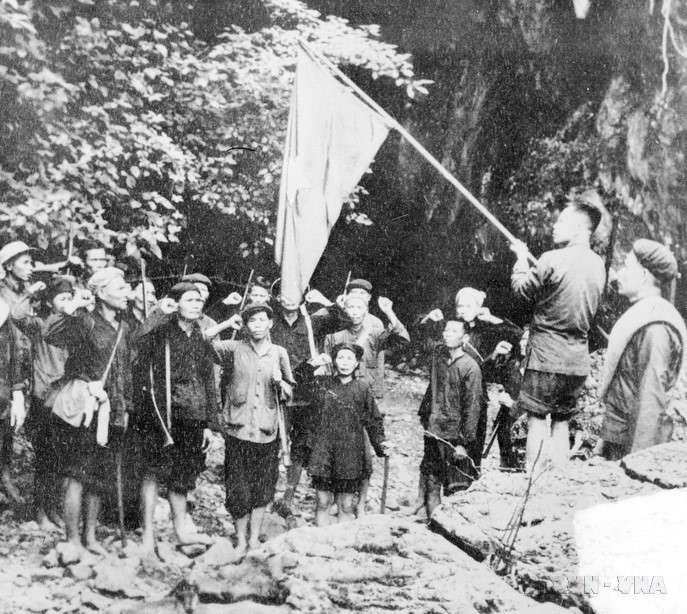
The first guerrilla unit in Vietnam under Party leadership is established in 1940. (Photo: VNA)
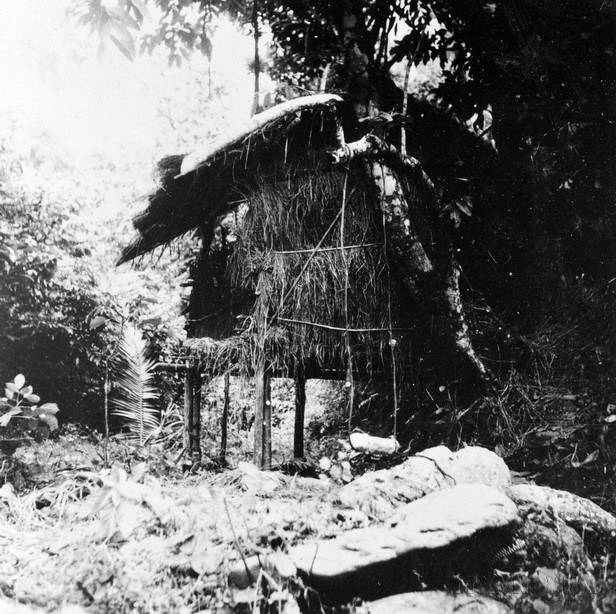
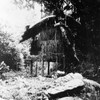
Khuoi Nam Hut in Pac Bo, Truong Ha commune, Ha Quang district, Cao Bang province, is the venue of the 8th Plenum of the Indochinese Communist Party Central Committee held in May 1941, which decided to place national liberation as the top priority. (Photo: VNA)
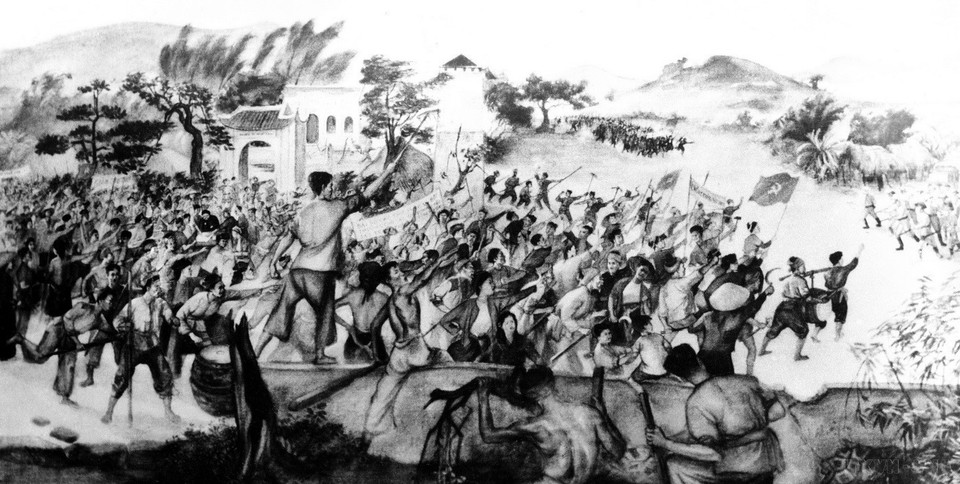
The revolutionary struggle of 1930–1931, culminating in the Soviet Nghe Tinh, erupts as the first general rehearsal of the Vietnamese revolution under the leadership of the working-class Party, becoming a brilliant milestone in Vietnam’s revolutionary history. (Photo: VNA)
0
1
2
3
4
5
6
7
8

Founding of Communist Party of Vietnam – a brilliant milestone in national history

On February 3, 1930, the Communist Party of Vietnam was founded. Under the founding and nurturing leadership of Nguyen Ai Quoc, President Ho Chi Minh, the Party steered the Vietnamese revolution through immense hardships and severe trials, achieving great victories. One of the most brilliant milestones in the Party’s more than 95-year history was its leadership of the struggle to seize power from 1930 to 1945.