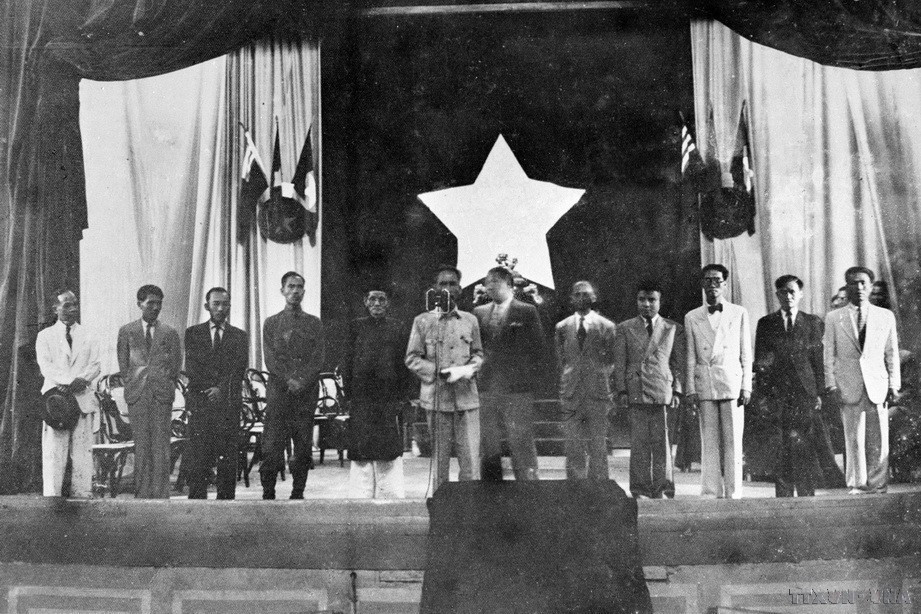
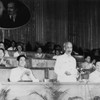
President Ho Chi Minh takes the oath before the National Assembly at the first session of the first legislature (March 2, 1946). (Photo: VNA)
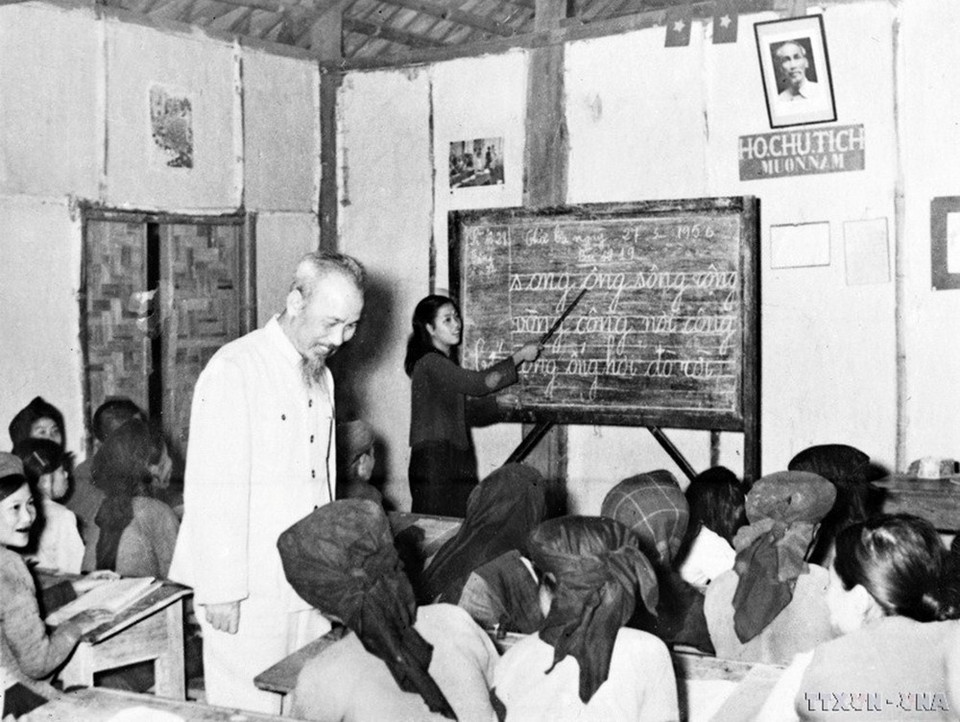
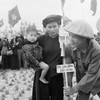
The “Binh dan hoc vu” (mass literacy) movement was launched immediately after the August Revolution. The nationwide campaign to eradicate illiteracy was both timely and necessary, leaving enduring lessons that continue to resonate today and underscoring the importance of lifelong learning. In the photo, President Ho Chi Minh visits a “Binh dan hoc vu” class in the Luong Yen area of Hanoi on May 27, 1956. (Photo: VNA)

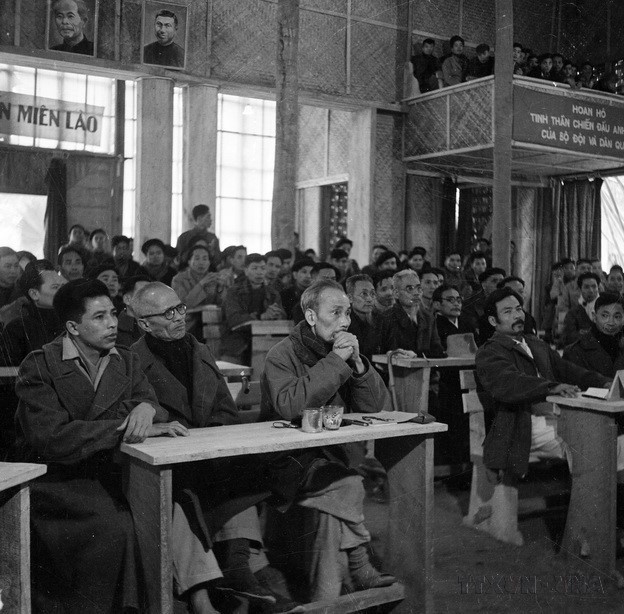
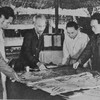
In February 1948, at Viet Bac, President Ho Chi Minh attends the National Conference of the Lien Viet Committee. (Photo: VNA)
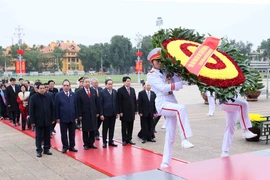
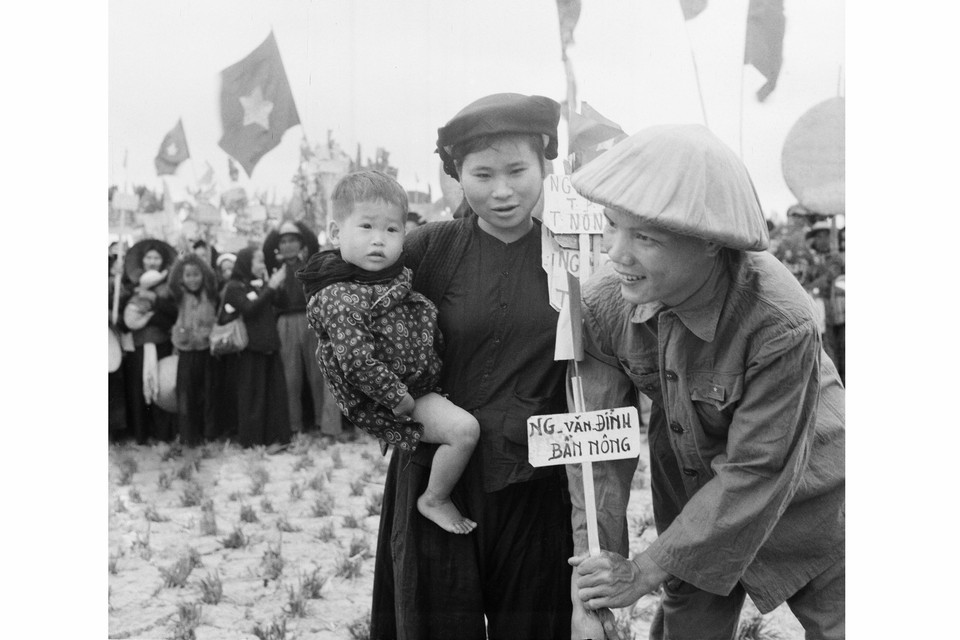
In November 1953, the fifth plenum of the Party Central Committee adopted the Land Reform Platform and decided to carry out land reform in the North. Successfully completed in 1957, the reform permanently abolished feudal landlord land ownership and established farmers’ land ownership, generating strong enthusiasm among rural communities and providing a powerful boost to production, economic recovery and post-war reconstruction. (Photo: VNA)
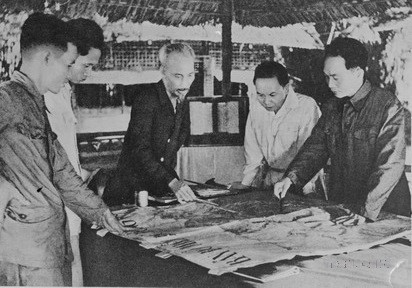
In December 1953, the Party Central Committee and President Ho Chi Minh decided to open a strategic front with the determination to destroy the French stronghold at Dien Bien Phu. (Photo: VNA)
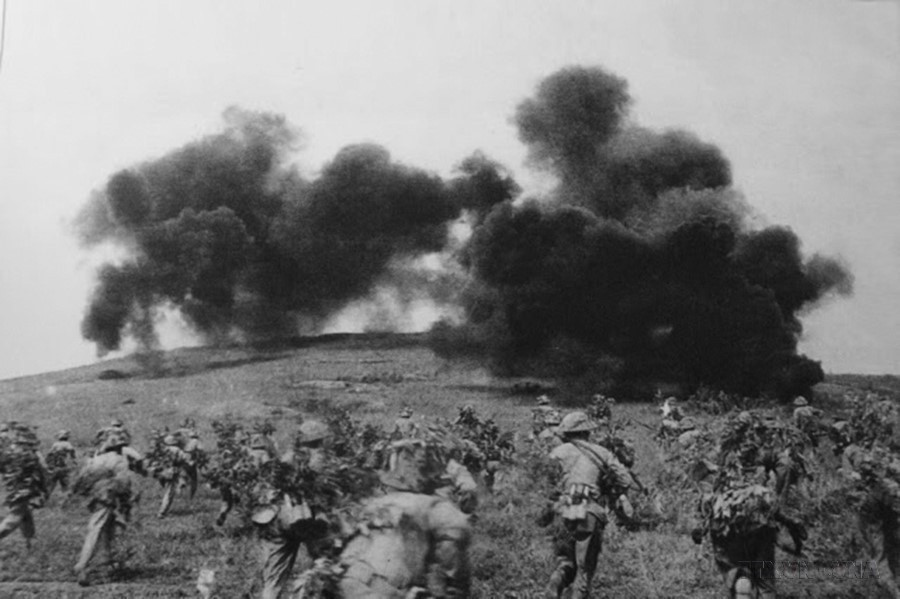
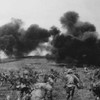
Vietnamese troops launch an assault on the Him Lam strongpoint, marking the opening of the Dien Bien Phu Campaign on the afternoon of March 13, 1954. (Photo: VNA)
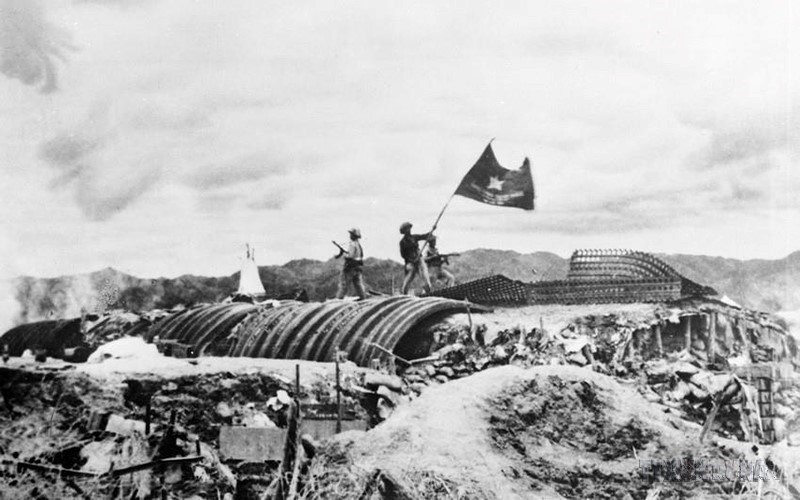
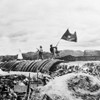
Implementing the strategy of a people’s war, under the skilful leadership of the Party and President Ho Chi Minh, the army and people brought the nine-year resistance war against France to a triumphant conclusion with the Dien Bien Phu Campaign in 1954, a victory that “resounded across the five continents and shook the world”. (Photo: VNA)
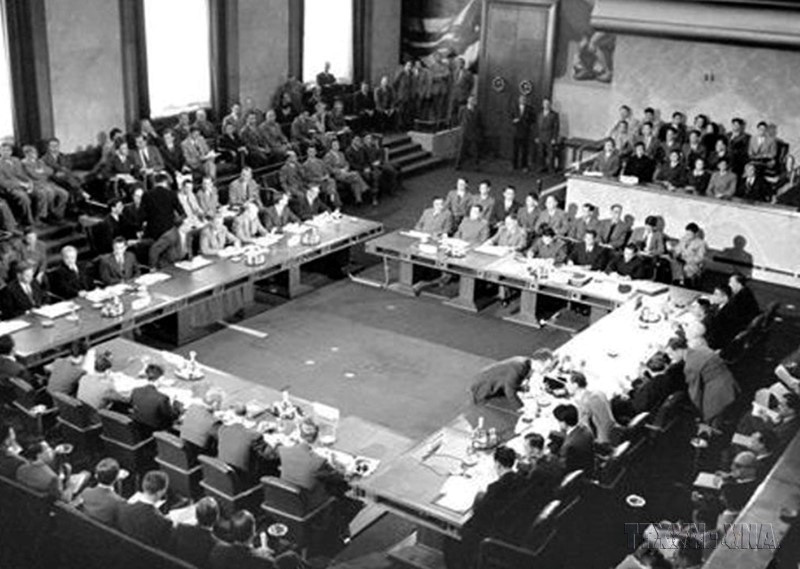
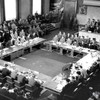
The Geneva Agreement on Indochina, signed on July 21, 1954, marked a major victory for Vietnam and reflected a strategy of achieving gains step by step in the national liberation struggle. (Photo: VNA)
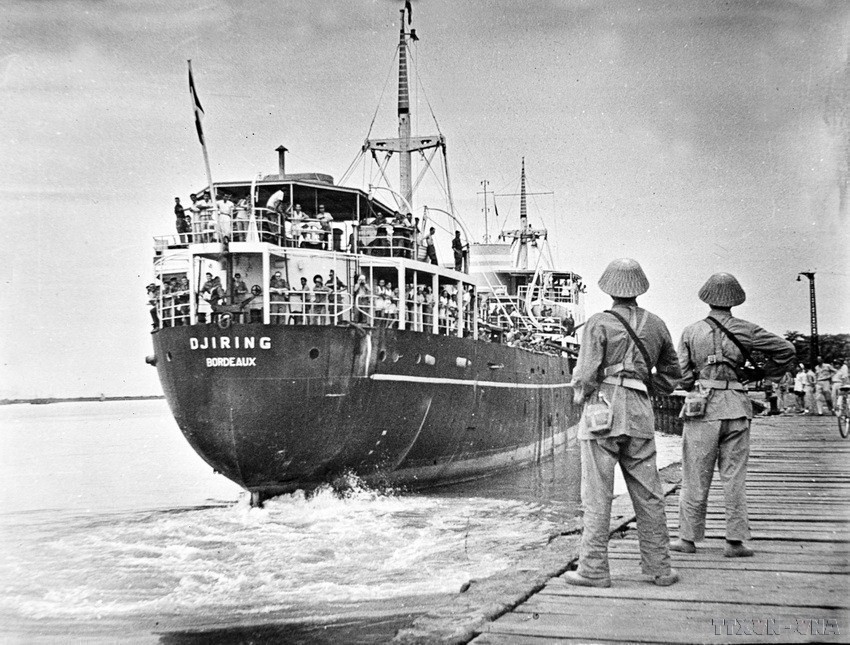
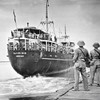
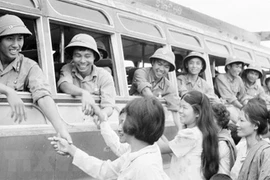
The Djiring ship carrying withdrawing French troops departs Sau Kho Wharf in Hai Phong, May 13, 1955, marking the historic moment when the North was completely liberated. (Photo: VNA)
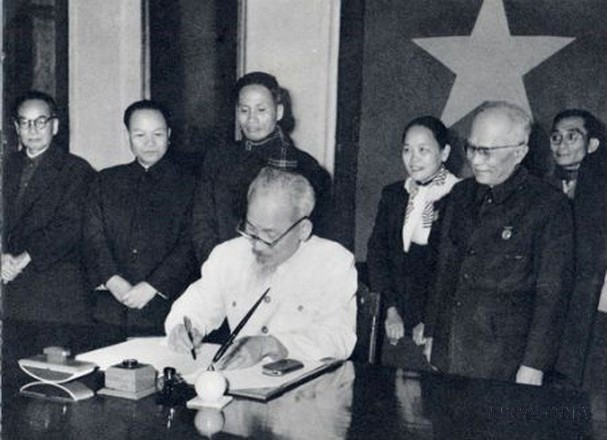
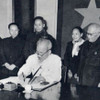
President Ho Chi Minh signs the decree promulgating the Constitution (January 1, 1960). The 1959 Constitution carried forward the spirit of the 1946 Constitution while fully reflecting the realities created by the victorious anti-imperialist and anti-feudal revolution, clearly defining the path of national development. (Photo: VNA)
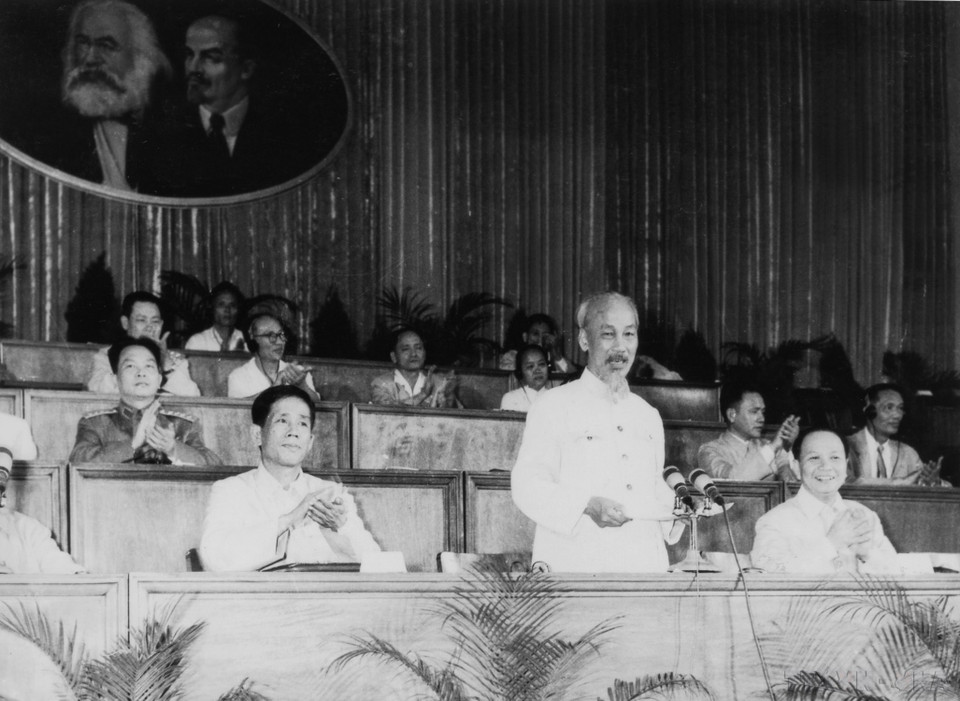
The third National Party Congress was held in Hanoi from September 5 to 12, 1960, with 525 official delegates representing more than 500,000 Party members nationwide. The Congress re-elected Ho Chi Minh as Party Chairman and elected Le Duan as First Secretary of the Party Central Committee. It also set out the strategic line of building socialism in the North while liberating the South and reunifying the country. In the photo, President Ho Chi Minh is seen with comrades Le Duan and Truong Chinh at the Congress. (Photo: VNA)
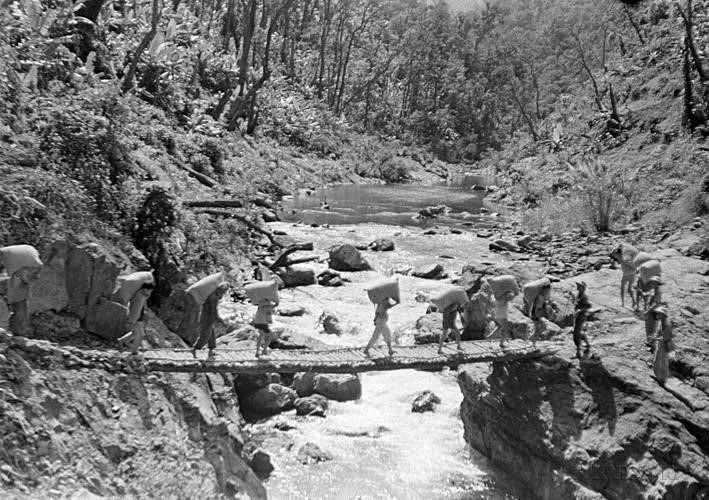
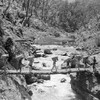
Throughout the 1946–1960 period, the Communist Party of Viet Nam simultaneously led the socialist revolution in the North—focusing on economic recovery and socialist transformation—and the national democratic people’s revolution in the South, marked by the Dong Khoi movement. These efforts laid a solid foundation for national reunification and the construction of socialism. In the photo, supplies are transported to the front along the Truong Son route, through Quang Binh province, in the early days of the route’s opening. (Photo: VNA)
0
1
2
3
4
5
6
7
8
9
10
11

Party leads entire nation through resistance and reconstruction (1946–1960)

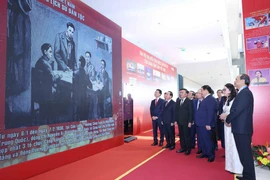
From 1946 to 1960, under the leadership of the Communist Party of Vietnam, headed by President Ho Chi Minh, the Vietnamese army and people won a resounding victory in the resistance war against French colonialists. At the same time, they advanced the building of socialism in the North and laid the groundwork for the struggle against the US.