Hanoi (VNA) – Vietnam has remained proactive and active in implementing international commitments on migration governance, with the goal of building a safe, legal and sustainable migration environment.
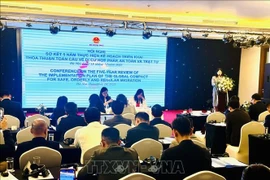
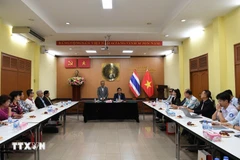
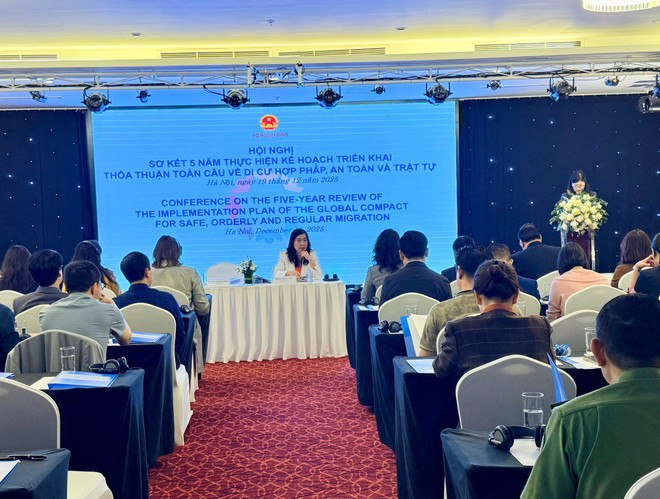
The assessment was shared at a conference organised by the Ministry of Foreign Affairs (MoFA) on December 19 to review the five-year implementation of Vietnam’s plan to carry out the United Nations Global Compact for Safe, Orderly and Regular Migration (GCM).
Addressing the conference, Deputy Minister of Foreign Affairs Le Thi Thu Hang underscored that migration is a phenomenon closely linked to the history of human development and substantially contributing to socio-economic progress worldwide. Vietnam today plays a multifaceted role, serving simultaneously as a country of origin, destination, and transit for migrants.
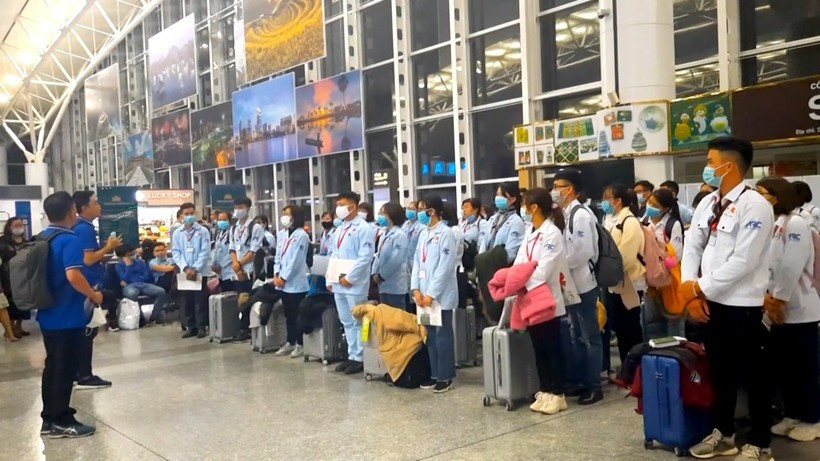
Statistics show that since 2020, more than 600,000 Vietnamese have gone abroad to work under contracts, while over 300,000 foreign workers have been granted work permits in Vietnam.
According to the Deputy Minister, the past five years have seen encouraging results in the realisation of the national plan for the GCM implementation. The policy and legal framework on migration has been steadily improved, while communications and awareness-raising on safe migration have been strengthened. The protection of the rights and legitimate interests of Vietnamese citizens migrating to other countries has been enhanced, and international cooperation in combating irregular migration and human trafficking has been deepened.
However, participants at the conference frankly acknowledged emerging and increasingly complex challenges. Regional and international developments remain unpredictable, marked by a rise in cybercrime, online fraud and human trafficking networks that force victims into criminal activities. In addition, such issues as climate change, digital transformation and green transition require more innovative and adaptive approaches to reduce migrant vulnerability.
The MoFA has identified three strategic objectives for the next phase. These consist of making comprehensive assessment of the GCM implementation results; strengthening dialogue and coordination; and proposing strategic priorities aligned with resolutions of the Politburo and the 14th National Party Congress, the Sustainable Development Goals, and the national digital transformation agenda.
Phan Thi Minh Giang, Deputy Director of the MoFA’s Consular Department, said relevant agencies have recorded positive outcomes, particularly in refining policies and legislation related to international migration. Key laws have been enacted or updated, including the Law on Prevention and Control of Human Trafficking, the Law on Identity, the Law on Vietnamese Guest Workers under Contract, the amended Law on Nationality, and Decree No. 29, forming a more solid legal foundation for migration governance.
However, she noted that international migration continues to face serious challenges, especially the growing sophistication of crimes related to irregular migration and human trafficking in cyberspace. Stronger management, monitoring and inter-agency coordination are therefore essential to ensure security, social order and the protection of migrants’ rights, while helping build a solid legal foundation for sustainable socio-economic development.
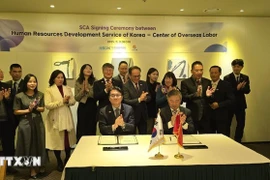
Representatives from the Department of Overseas Labour Management under the Ministry of Home Affairs stressed the need to intensify negotiations and the signing of international labour agreements in the coming period. Such agreements would help simplify procedures for Vietnamese workers going abroad and provide a clearer framework for coordination and problem-solving when issues arise. Regular reviews of the enforcement of existing labour cooperation agreements are also needed to promptly identify bottlenecks and propose effective solutions.
The department proposed closer coordination with Vietnam’s overseas representative missions to enhance links between foreign authorities and domestic agencies, enabling better management of Vietnamese workers abroad. Efforts should also focus on improving guest workers’ living and working conditions in line with Vietnamese and host-country laws, as well as the signed labour cooperation frameworks, while strengthening overseas labour management boards to meet evolving requirements./.