Hanoi (VNA) – Tour operators in Hanoi are flexibly adjusting their plans and diversifying markets to cope with the complex geopolitical situation in the Middle East, aiming to ensure tourist safety while maintaining stable growth in the capital city’s tourism sector.
According to the Hanoi Department of Tourism, the capital welcomed about 5.77 million visitors in the first two months of 2026, up 23.2% year-on-year. Of the total, international arrivals reached approximately 1.55 million, marking a strong increase of 35.6%.
The figures show that Hanoi’s tourism market is maintaining a positive recovery momentum following the difficult period experienced by the global travel industry.
However, the recent geopolitical tensions in the Middle East has begun to create indirect impacts on the tourism sector, particularly through disruptions to international air transport.
Deputy Director of the department Tran Trung Hieu said international visitors to Hanoi hail from more than 200 countries and territories. Tourists from the Middle East account for a relatively small share, around 3% of the capital’s total international arrivals.

In the first two months of 2026, Hanoi welcomed around 34,500 visitors from the Middle East, with Israel representing the largest market and accounting for 51% of arrivals from the region. However, the number of Middle Eastern tourists to Hanoi fell by 32% in February compared with the previous month.
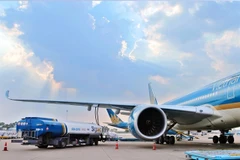
Despite the modest scale, tourism experts say instability in the region has affected global aviation networks, particularly because major Middle Eastern hubs play a key role in connecting flights between Asia, Europe and other regions.
Many Hanoi-based travel agencies, including Vietravel, Hanoitourist, Saigontourist and Vietfoot Travel, have temporarily suspended or adjusted itineraries to destinations in the Middle East to ensure traveller safety.
Some Europe-bound tours that normally transit through major aviation hubs such as Dubai, Doha or Abu Dhabi are also being rerouted or rescheduled.
Chairman of the Board of Directors of the Trang An International Tourism Company Nguyen Huu Cuong said his company has cancelled its Dubai tours scheduled for March and is considering whether to suspend those planned for April.
At the same time, the company is supporting customers whose tours were cancelled or rescheduled while reassuring travellers about safety, Cuong said.
To maintain operations during this period, the company is intensifying promotion of short-haul tours to destinations such as China, Japan, the Republic of Korea (RoK), Taiwan (China), Southeast Asia, Europe and Australia, alongside domestic tourism products.
Tourism planning expert Vu Van Tuyen noted that the Middle East has long served as one of the world’s largest aviation transit hubs. When instability occurs, airlines often have to adjust their flight paths, fly longer routes or shift to alternative transit points, resulting in longer travel times, reduced seat availability on direct flights to Europe, and rising operating costs as airlines cope with fluctuating global oil prices.
These factors require travel companies and tourists to prepare more carefully in terms of finances and travel planning, Tuyen said.
In addition, some international travellers have become more cautious when choosing long-haul trips, particularly routes involving transit through sensitive regions.
Beyond short-term responses, many Hanoi tourism businesses are also restructuring their market strategies. The recent shift in travel demand has seen some tourists replace Middle East tours with trips to Australia, Japan, the RoK, China or high-end domestic resorts.
According to the Hanoi Department of Tourism, travel firms have been instructed to review all tour programmes related to Middle Eastern destinations or routes transiting the region and proactively adjust itineraries or recommend alternative destinations where necessary.
Besides, tourism authorities are working closely with airlines and travel businesses to update flight information and ensure safe and smooth travel arrangements.
The department also continues to promote the image of Hanoi as a safe, friendly and attractive destination while encouraging tourism companies to enhance risk management capacity and develop new products such as wellness tourism, MICE tourism, and cultural and culinary experiences.
Officials believe that closely monitoring global developments and maintaining flexible response scenarios will help Hanoi’s tourism sector remain stable and achieve sustainable growth despite ongoing uncertainties in the international travel market./.