HCM City (VNA) – Ho Chi Minh City will allocate more than 67 billion VND (approximately 2.54 million USD) during the 2026–2030 period to support the transition of capture fisheries livelihoods and ensure social security for fishermen.
The funding, coming from the local budget, private resources, and preferential loans, has been approved by the municipal People’s Committee for the implementation of the fisheries livelihood transition project for the next five years.
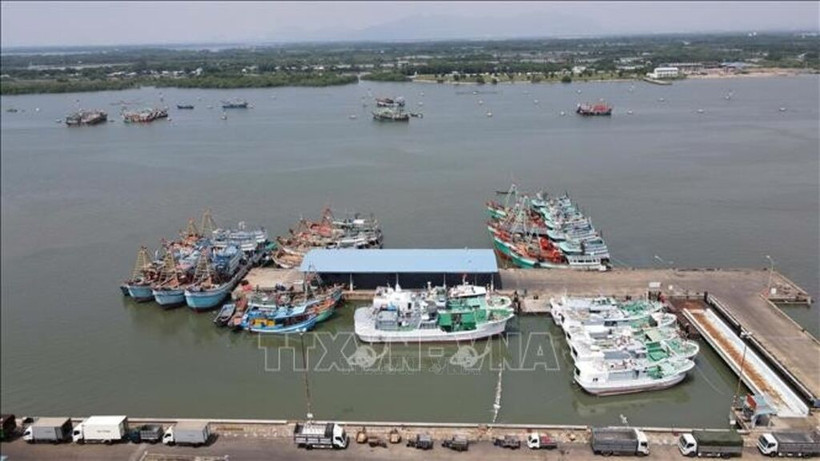
The project targets the conversion of around 6% of the city’s fishing fleet, focusing on nearshore and inshore vessels and part of the offshore trawler fleet, towards fishing methods with lower environmental impact, including hook-and-line, gillnets, purse seines, traps and cages, as well as fisheries logistics services.
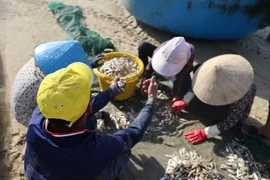
In addition to vessel and gear conversion, the project prioritises support for fishermen. Given that most fishing crews are unskilled workers with incomes heavily dependent on marine capture, the city plans to provide vocational training, technical training, job counselling and transitional income support for about 1,700 workers, with social security funding exceeding 15 billion VND.
Resources will also be allocated for initial investments such as the purchase of fishing gear, vessel modification, equipment, and production materials.
Overall funding for livelihood transition and social security is estimated at more than 67 billion VND.
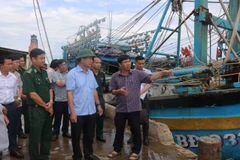
According to the municipal Department of Agriculture and Environment, HCM City is currently home to 4,475 fishing vessels, including 207 that fail to meet operational requirements and pose a high risk of violating regulations on illegal, unreported and unregulated (IUU) fishing prevention. Trawlers account for the largest share, at 25% of the fleet, while gillnet fishing vessels 22%, hook-and-line ones 14%, and purse seines, trap-and-cage, and fisheries logistics vessels each represent about 5%.
This reflects an imbalanced structure, with resource-intensive methods prevailing over selective and environmentally friendly practices, which may lead to resource depletion and undermine the sustainability of coastal livelihoods.
Pham Thi Na, Deputy Director of the municipal Department of Agriculture and Environment, said fisheries livelihood transition is an inevitable trend to meet international integration requirements, restore aquatic resources, protect the marine environment, and increase value added for the city’s fisheries sector.
Over the long term, the project is expected to help establish a more rational fishing fleet and responsible fisheries, underpinning sustainable marine economic development and reflecting the city’s commitment to balancing economic growth, environmental protection and coastal livelihoods in the new development phase./.