Hanoi (VNA) – Greater Jakarta is facing a severe waste crisis, evidenced by garbage-choked streets, overloaded landfills, and fears of trash avalanches.
Jakarta and its satellite cities, known collectively as Jabodetabek, are home to 42 million people and produce an estimated 14,000 tonnes of waste daily.
This has placed increasing strain on the approximately eight landfill sites serving the region, all of which are now close to or already at full capacity, local media reported.
Experts say population growth, rising incomes leading to higher consumption, and a chronic lack of waste sorting and enforcement of disposal regulations have created the crisis.
The Bantar Gebang site, one of the world’s largest open landfills, spans more than 110 hectares and currently holds around 55 million tonnes of trash. A local environment agency official did not specify how much space remained, despite reports that it is already over capacity.
The nearest landfill can hold only 400 tonnes of waste, well below the 1,100 tonnes produced daily by South Tangerang, according to the local government.
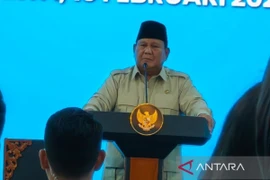
The problem extends beyond the capital, with President Prabowo Subianto warning that almost all of the country’s landfills will be full or over capacity by 2028.
Hundreds of sites still use open dumping, despite it being illegal, and waste is often burned, releasing potentially hazardous pollutants.
Overcapacity landfills also pose additional risks. In 2022, a 30-metre-high garbage heap at a landfill in West Java’s Cipayung triggered a landslide that flowed into a river, submerging a bridge leading to a neighbouring village.
The Indonesian government says it plans to permanently close several landfills, including those in South Tangerang and Cipayung. It is promoting waste-to-energy facilities that incinerate garbage to produce electricity, with 34 projects planned within the next two years./.