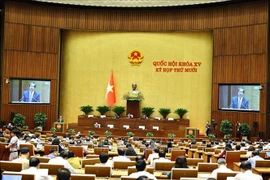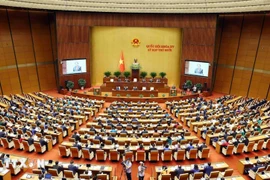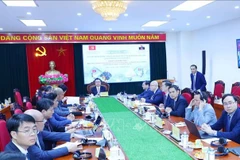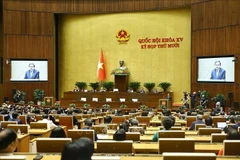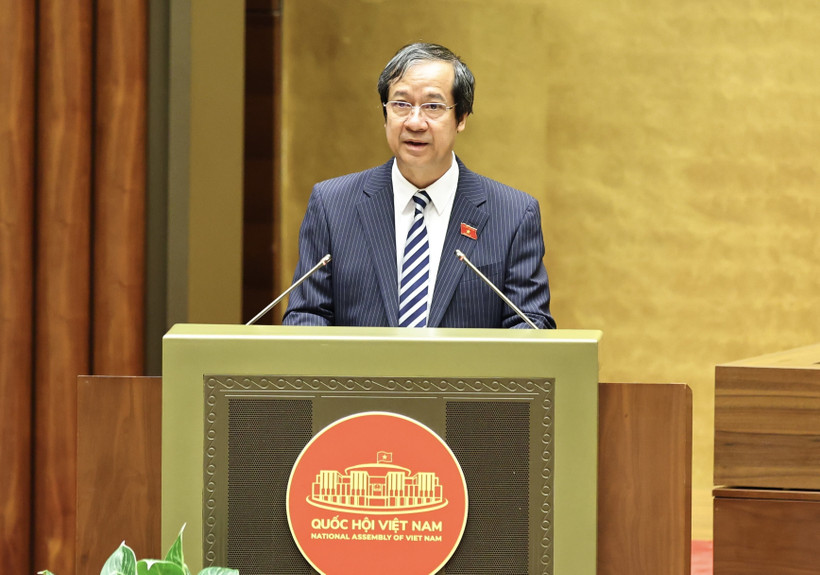
Hanoi (VNA) – As part of its ongoing the 10th session, the National Assembly (NA) on October 22 morning heard the proposals and verification reports on three draft laws – the law amending and supplementing a number of articles of the Law on Education, the revised Law on Higher Education, and the revised Law on Vocational Education.
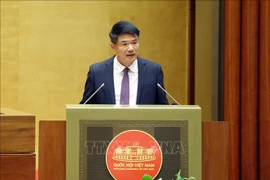
Minister of Education and Training Nguyen Kim Son stated that the promulgation of the law amending and supplementing a number of articles of the Law on Education aims to eliminate at least 30% of unnecessary business investment conditions and 30% of administrative compliance costs, creating greater convenience for individuals, organisations, and educational institutions.
Out of 126 existing administrative procedures currently governed by the 2019 education law, 69 are expected to be affected by the amendments and supplements proposed in the draft law. These mainly fall within the following areas: diplomas and certificates; establishment, licensing, operation, division, merger, and dissolution of educational institutions; education quality accreditation; enrollment and examinations; and textbook appraisal.
The draft revised Law on Higher Education comprises nine chapters and 46 articles, featuring breakthrough points compared to the current version, Son said. It reaffirms the pioneering role of higher education in innovation, excellence training, and high-quality human resources development, while recognising institutional autonomy as a legal right and strengthening accountability for universities.
The draft revised Law on Vocational Education consists of nine chapters and 42 articles, an increase of one chapter but a reduction of 37 articles compared to the current law, with numerous new provisions. It expands coverage and system structure, further detailing State management activities and the rights, obligations and responsibilities of organisations and individuals involved in vocational training.
On the law amending and supplementing a number of articles of the Law on Education, Chairman of the NA Committee on Culture and Social Affairs Nguyen Dac Vinh stressed the committee’s support for improving the national education system toward stronger connectivity between general education and vocational training, abolishing the regulation on secondary graduation certificates, and providing a unified set of textbooks for nationwide use.
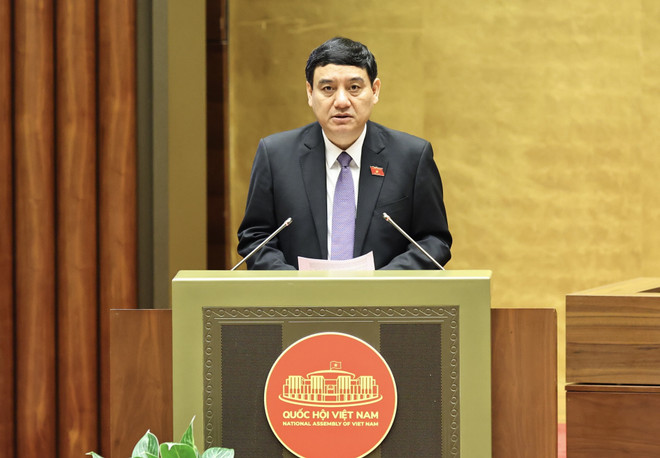
For the revised Law on Higher Education, Vinh affirmed the committee’s agreement with the proposed policies on state support for university development and on university organisation and governance. He proposed adding regulations to promote linkages between schools, businesses, and the state; and clarifying procedures for valuing, owning, and sharing benefits from intellectual property, research outcomes, and technology transfer.
Regarding the revised Law on Vocational Education, the committee recommended defining the position of the secondary vocational qualification level within Vietnam’s national qualifications framework; clarifying integration between core general education knowledge and vocational specialisation in secondary vocational programmes; and specifying entry requirements, training duration, and learning outcomes. The committee also called for clearer provisions on business participation in vocational education, particularly regarding financial support and tax incentives./.