Kuala Lumpur (VNA) – Malaysia’s cruise tourism industry has the potential to become an important catalyst for the country's economic growth, especially in generating job opportunities, empowering local communities, and strengthening a more sustainable and inclusive tourism ecosystem, an official has said.
Transport Minister Anthony Loke Siew Fook said Malaysia can become a premier cruise tourism destination in Southeast Asia. The cruise industry has the potential to do more than just bring in foreign visitors, it can create thousands of jobs, elevate local heritage and culture, and promote Malaysia to the world.
Malaysia wants cruise tourism to directly benefit local communities, whether through cultural tours, port services, local food, handicrafts, or heritage experiences, he said after officiating CruiseWorld Malaysia 2025 in George Town, Penang state.
He noted that it is not only about attracting tourists to the country but also giving visitors a chance to experience Malaysia. Every cruise ship that docks in Malaysia generates significant economic activities, not only for the tourism escorts, but also for surrounding communities and small businesses.
The official called on cruise operators and industry players to view Malaysia as a strategic home port for long-term operations instead of viewing it as a transit destination, adding that making Malaysia as the home port will bring in benefits such as tourist arrivals, higher tourism revenue, and stronger contribution to the gross domestic product and growth in local economies.
Penang has become a popular cruise destination, receiving between 100 and 200 cruise ships annually.
The minister emphasised the importance of continuing to upgrade existing port infrastructure in order to remain competitive in the region and attract high-quality foreign investment. including enhancing the Swettenham Pier Cruise Terminal, which currently can accommodate two large ships at the same time.
Malaysia wants Penang Port to improve its terminal capacity and become a key home port in the region, which requires close collaboration with airlines, the air force, and the royal navy.
He added that next year is Visit Malaysia Year, presenting an opportunity to boost cruise tourism as a crucial component of Malaysia’s transportation, tourism, and trade strategies.
When asked about regional collaboration, Loke also expressed support for Thailand’s proposal to develop ASEAN as a single tourism market, including the introduction of a common visa that would allow seamless travel across member countries.
He suggested that countries shouldn’t compete against each other within ASEAN. Instead, they should collaborate to promote the region as one of the world’s top tourism destinations./.
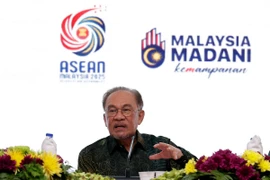
Malaysia plans strategic housing development near public transport
Malaysian Prime Minister Anwar Ibrahim said that such a housing development concept will not only provide more strategic residences for low-income groups but also pave the way for a more sustainable and organised urban lifestyle.