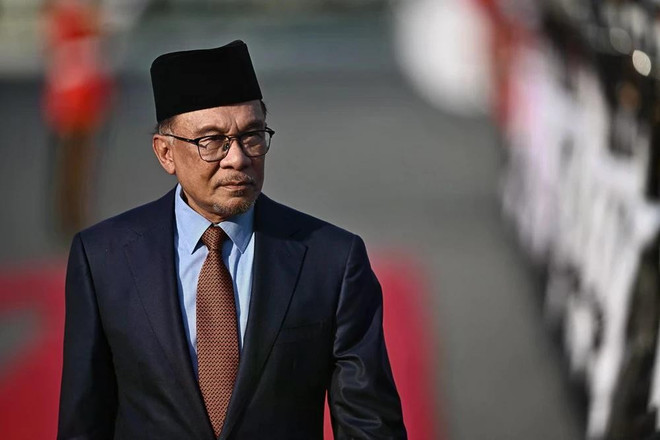
Kuala Lumpur (VNA) – Malaysian Prime Minister Anwar Ibrahim has described Vietnam as a very significant member within the Association of Southeast Asian Nations (ASEAN), while speaking to Vietnam News Agency correspondents in Kuala Lumpur.
PM Anwar said both Malaysia and he personally value the progress made in cooperation between the two countries.
Talking about Vietnam’s role within the bloc, the PM noted that he maintains regular contact with Vietnamese leaders to exchange views on ASEAN-related issues, including the US’s new tariff policy and the situation in Myanmar. Malaysia and Vietnam are working closely together on these issues, he said, noting that Vietnam supports Malaysia’s initiative to promote the ASEAN Power Grid.
Reflecting on the growing relationship between the two countries, especially after it was elevated to a comprehensive strategic partnership in November 2024, Anwar said there have already been clear results in several fields. He cited enhanced bilateral trade and investment cooperation, including the collaboration between the two countries’ national oil and gas corporations.
Addressing the remaining challenges, the Malaysian leader expressed confidence that the two countries are always willing to find solutions together. Malaysian experts have also shared insights into Vietnam’s growing role within ASEAN.
PM Anwar also shared that since his student days when he led the student movement, he had read many books about President Ho Chi Minh and held him in great respect. As a result, he developed an understanding of Vietnam’s struggle for national independence.
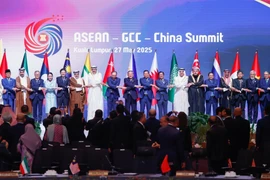
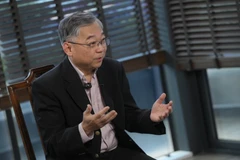
Speaking to the Vietnam News Agency, Dr. Oh Ei Sun, Principal Adviser at Malaysia’s Pacific Research Centre, described Vietnam as a dynamic and effective participant at the recent ASEAN Summit in Kuala Lumpur.
He noted that the Vietnamese Prime Minister, in his address at the summit, outlined three key focuses, with a strong emphasis on the need for ASEAN to adopt a development mindset grounded in inclusiveness.
The expert stressed this was a crucial point, highlighting Vietnam as an example. Over the past two to three decades, the country has made a remarkable leap—from a peripheral player to a central and increasingly influential member of ASEAN. This, he said, demonstrates the importance of ensuring all member states, regardless of their level of development, can engage fully and effectively in the bloc.
Citing Vietnam’s experience, he expressed confidence that less developed members could also rise with support from stronger economies within ASEAN.
Beyond inclusiveness, Oh said the Vietnamese PM also underlined the importance of connectivity. Thanks to its important location, Vietnam plays a crucial role in linking Southeast Asia’s shipping routes and is expected to contribute significantly to the region’s railway network.
In terms of resilience, he commended the PM for addressing the issue at a right time. With a large and young population and strong rice production capacity, Vietnam has the potential to boost exports to other ASEAN countries, including Malaysia. He added that ASEAN members could learn valuable lessons regarding food and energy security from Vietnam.
The expert concluded that the Vietnamese PM’s speech on inclusiveness, connectivity, and resilience was relevant and useful to ASEAN members at this year’s summit.
Regarding Malaysia-Vietnam relations, Dr. Oh highlighted the two countries's elevation of their bilateral relations to a Comprehensive Strategic Partnership in last November, saying it is a timely decision and the relations have been witnessing many positive changes. Specifically, more and more Vietnamese students pursue studies at universities in Malaysia; bilateral trade is also on the rise; the two countries coordinate effectively, and make contributions to the development of ASEAN. More importantly, both countries support the admission of Timor-Leste as a new ASEAN member, as well as assist to develop its economy.
Sharing the same view with Dr. Oh on Vietnam's role in ASEAN, Collins Chong Yew Keat, an expert on foreign affairs and security at the University of Malaya, affirmed that Vietnam has a very positive influence on the development of ASEAN with its great contributions in many fields.
Vietnam is currently playing an active role in promoting energy transition, digital transformation and ensuring food security. This is a great support for all other ASEAN members as well as the bilateral relationship between Vietnam and Malaysia.
Chong emphasised that it is clear that Vietnam's role in ASEAN’s development as well as building a stronger, more resilient, more inclusive and sustainable ASEAN in all areas. This is reflected in Vietnam's spectacular and transformational economic growth rate, improving people's lives as well as its determination to move towards a digital economy, a green economy, and sustainable development.
The expert expressed his belief that Vietnam will be one of the leading countries in ASEAN and together with other members, including Malaysia, promote the common agenda of a more prosperous, inclusive, unified ASEAN with peace, stability and safety./.