Hanoi (VNA) – The Ministry of Industry and Trade (MoIT) has advised businesses to stay informed about global developments and work closely with their trading partners, while exercising greater caution when signing contracts related to transport and logistics, amid growing geopolitical and economic uncertainty.
At a regular press briefing on June 19, a representative from the MoIT’s Agency of Foreign Trade (AFT) highlighted a number of measures to mitigate risks in freight rates and trade activities, particularly as tensions escalate between Israel and Iran.
Greater caution in signing transport-related contracts
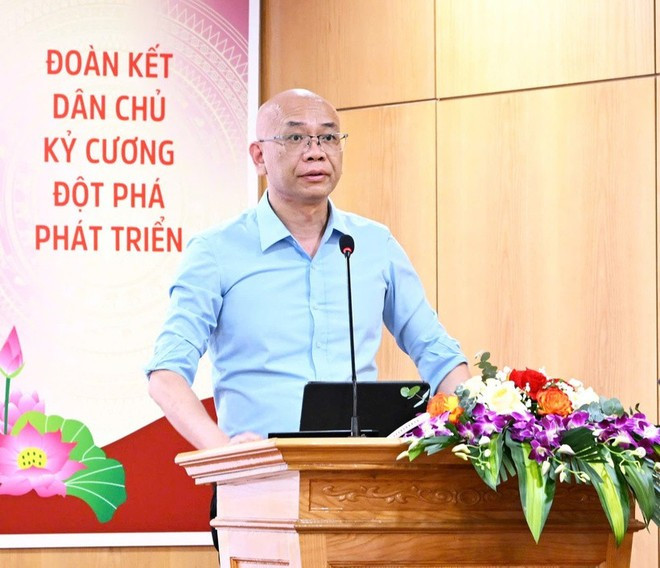
AFT Deputy Director Tran Thanh Hai noted that the United States had announced reciprocal tariffs on several countries on April 2, but suspended implementation for 90 days from April 9. This gives exporters, including Vietnam, more time to maintain shipments under existing tariff levels.
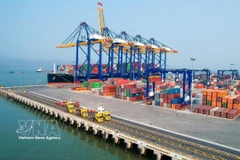
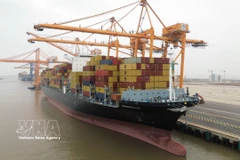
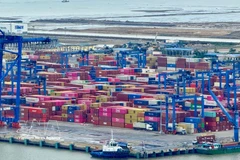
For China, the US had proposed a tariff of up to 145%, but following a May 12 agreement, this was reduced to 30%. The sudden shift led to a surge in Chinese exports to the US as businesses sought to take advantage of the lowered duties. This caused a build-up of goods, vessels, and containers, driving up sea freight costs.
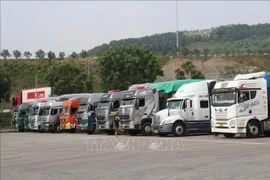
Freight rates from Asia to the US West Coast, Hai noted, have risen sharply to around 4,000 USD for a 40-foot container, up from the usual 2,500–3,000 USD—a trend similar to that seen during the COVID-19 pandemic.
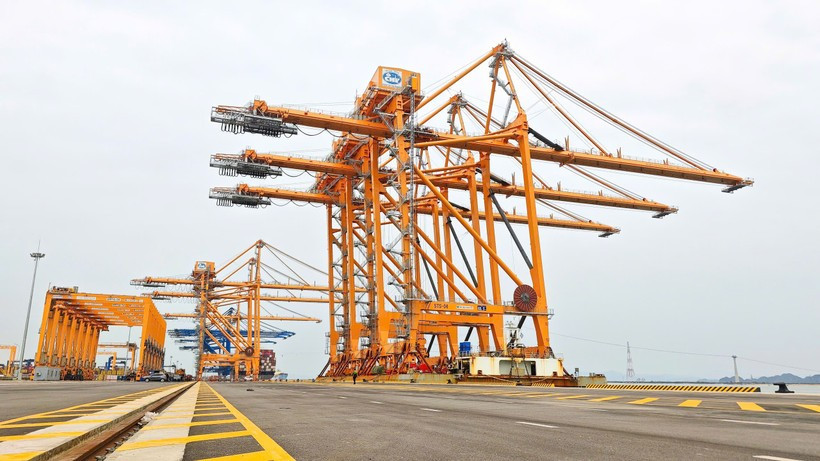
Container shortages has began to appear across the region, not only China and Vietnam, but also Indonesia, Thailand, and Malaysia. However, the MoIT and the Vietnam Maritime and Waterway Administration said the situation in Vietnam remains under control.
Tensions in the Middle East may further disrupt key shipping lanes such as the Strait of Hormuz and the Suez Canal. Should vessels be forced to reroute, transport costs to Europe and the US East Coast would likely rise.
The AFT urged enterprises to explore alternative transport methods, such as the international rail route to Europe, which remains operational and could offer a viable option. The MoIT is also working with the Ministry of Construction and the Ministry of Finance to monitor logistics trends and provide timely support to businesses.
Export-import strategy yields positive results
Commenting on the implementation of Vietnam’s 2021–2030 export-import strategy, Hai said early results have been encouraging, with strong gains in export value, growth rates, market expansion, and product diversity.
However, challenges remain, particularly in maintaining a balanced trade structure. Vietnam is recording large trade surpluses with the US and EU but a significant deficit with China. Hai emphasised the need to address these imbalances in the time to come.
He also underlined the importance of raising the added value of export products, which would not only boost earnings but also support traceability and compliance with international quality standards.
Hai said the MoIT would continue to monitor and review implementation of the strategy. If necessary, the ministry will report to the Prime Minister for adjustments to better align with real-world developments./.