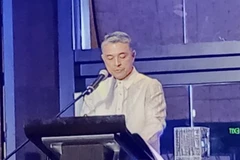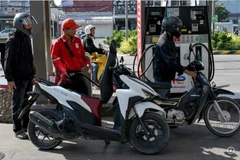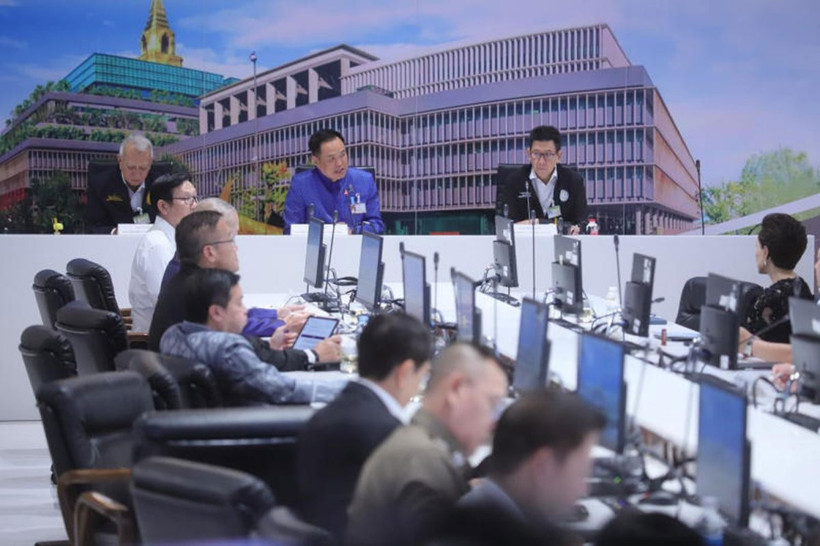
Bangkok (VNA) – Thai Prime Minister Anutin Charnvirakul on March 19 convened an urgent meeting of the Joint Management and Monitoring Centre for the Situation in the Middle East to address fuel shortages reported at petrol stations nationwide.
The meeting brought together representatives from key ministries, including finance, energy, interior, commerce, justice and transport, along with the Budget Bureau, the National Economic and Social Development Council, and executives from oil refineries and fuel distribution companies.
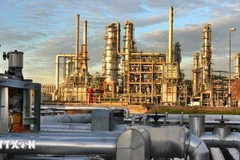
Speaking after the meeting, the Prime Minister said inspections showed that all six domestic refineries were operating at full capacity of 175 million litres per day. Diesel output alone reached 77 million litres daily, compared to normal demand of about 67 million litres. However, consumption has recently surged to 84 million litres per day due to public concerns over possible supply shortages.
He emphasised that Thailand’s oil reserves are sufficient for around 100 days, up from 62 days at the onset of the crisis, adding that emergency fuel injections into the supply system are being accelerated and the situation is expected to return to normal within one to two weeks.
Authorities have instructed the Department of Energy Business and PTT Plc to feed reserve oil into the system to boost confidence and meet unusually high demand. Additional measures include allowing wholesale distributors to purchase fuel directly from refinery gates at prices equivalent to those at petrol stations, with PTT Oil and Retail Business Plc set to pilot the scheme.
To facilitate logistics, the Royal Thai Police have temporarily allowed fuel tanker trucks to operate around the clock nationwide to speed up deliveries.
Thailand has also suspended exports of refined oil products from March 1, except for Laos and Myanmar, which are strategically important in energy exchanges involving electricity and gas supplied back to Thailand.
Electricity generation, meanwhile, faces no risk because Thailand relies mainly on gas from the Gulf of Thailand, meaning there is no threat of shortage, he said./.