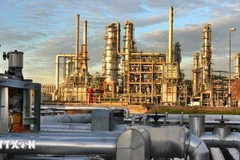
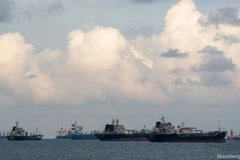
Phnom Penh (VNA) – Cambodia has stepped up fuel imports from suppliers in Singapore and Malaysia to offset supply shortages from other sources as the Middle East conflict continues to disrupt global fuel availability.
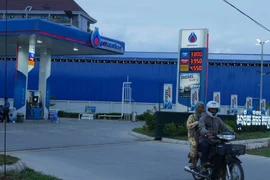
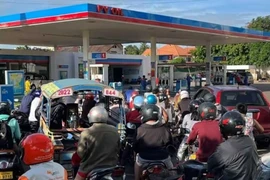
Cambodian Minister of Mines and Energy Keo Rottanak said on March 18 that about one-third of the country’s 6,300 fuel stations had temporarily closed last week amid concerns over the conflict’s impact on fuel prices. However, the situation has since improved, with only 5.77% of stations currently remaining shut.
He noted that Cambodia is increasing imports from Singapore and Malaysia while existing suppliers are also striving to maintain exports despite tightening supply conditions.
Data from Kpler show that exports of gasoline and diesel from Singapore and Malaysia to Cambodia during the first 18 days of this month rose by 25% compared with the same period in 2025, although they were 40% lower than in the final 18 days of February 2026.
According to the minister, Cambodia’s fuel reserves are currently at levels comparable to previous periods. The country does not have a domestic oil refinery and typically maintains diesel, jet fuel, liquefied petroleum gas and gasoline stocks sufficient for less than one month under normal conditions.
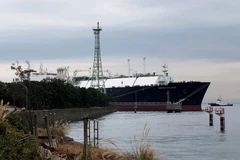
To strengthen energy security and mitigate geopolitical risks, the Cambodian government has also held preliminary talks this month with Australia’s Woodside Energy to secure liquefied natural gas (LNG) supplies for a planned 900MW power plant expected to begin operations in 2027.
Rottanak said Cambodia has been partly shielded from the Middle East shock thanks to the rapid expansion of renewable energy. Overall fuel imports remain relatively stable compared with the 2022 levels, supported by increasing electrification based on renewable sources. He stressed that the conflict highlights the urgent need to accelerate cross-border power grid connectivity among ASEAN countries./.