Hanoi (VNA) - Not only winning over audiences with performances that touch the heart and strongly inspire patriotism and national pride, the so-called “national concerts” are also helping to activate and create fresh momentum for the development of Vietnam’s cultural industry.
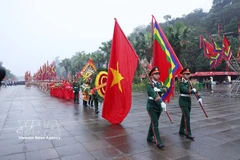
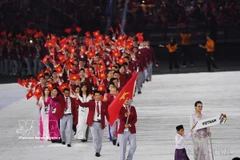
Originating from the military parade and march marking the 50th anniversary of the Liberation of the South and National Reunification (April 30, 1975-2025), the term “national concert” has become a popular way among young people to describe large-scale, state-organised art programmes. Never before has this keyword been so “hot.”
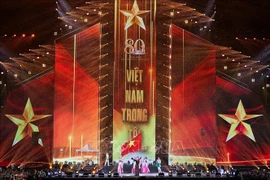
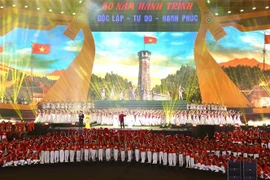
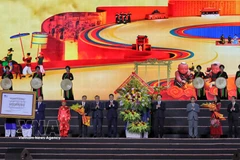
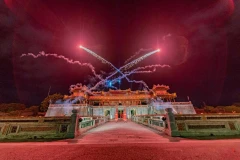
A series of grand concerts have been held to celebrate the 80th anniversary of the August Revolution (August 19, 1945-2025) and National Day (September 2, 1945-2025).
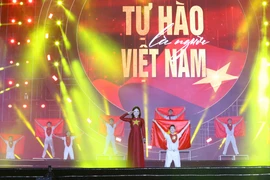
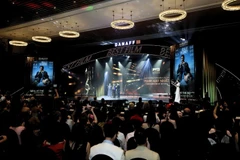
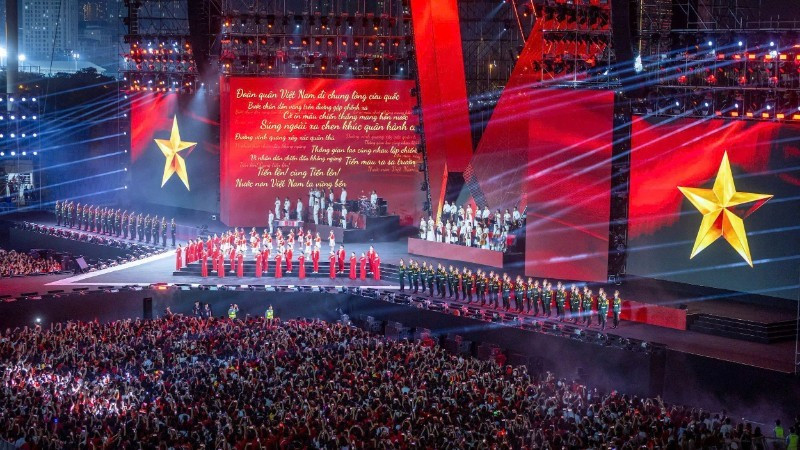
Notable examples included “V Concert - Rang ro Viet Nam” (V Concert – Radiant Vietnam) and “V Fest - Thanh xuan ruc ro” (V Fest – Glorious Youth) produced by the Vietnam Television (VTV), which each attracted around 25,000 spectators to the Vietnam Exposition Centre in Hanoi per night; “To quoc trong tim” (The Fatherland in our hearts) jointly organised by Nhan Dan newspaper and the Hanoi People’s Committee, which turned My Dinh National Stadium into a sea of red with more than 50,000 attendees; and “ Tu hao la nguoi Viet Nam” (Proud to be Vietnamese) chaired by the Party Central Committee’s Commission for Information, Education and Mass Mobilisation, which also filled this stadium with over 30,000 spectators.
These are unprecedented figures in the history of organising art programmes with a political-ideological tone. This not only reflects a growing trend of patriotic music appreciation among the public, especially the younger generation, but also affirms the appeal and potential of “national concerts” to drive the development of the cultural industry.
Remarkably, whether the programmes were free or ticketed, they all experienced ticket “fever” across all platforms. The ticket registration portal for the “The Fatherland in our hearts” concert crashed after just nine minutes, recording around 3 million scans and 20,000 successful registrations. The “V Concert – Radiant Vietnam” grand concert also sold out just a few days after tickets went on sale.
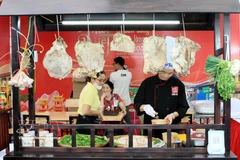
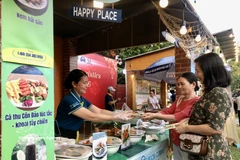
The recent buzz surrounding these “national concerts” proves that: political-ideological art, when given proper investment, executed with sophistication, and promoted with a strategic media approach, can fully meet requirements in terms of ideological content, artistic quality, and economic value. Beyond creating temporary employment and income for the vast production teams, sometimes numbering in the hundreds or thousands, large-scale artistic events also drive the development of related services such as tourism, hospitality, transportation, fashion, street vending, and souvenirs.
Associate Professor, Dr. Bui Hoai Son, a full-time member of the National Assembly's Committee for Culture and Society, stated that if professionally organised, closely linked with other service sectors, and developed with long-term branding, "national concerts" can become more than just spectacular performances, but serve as a sustainable driving force for both the cultural industry and the national image.
According to Dr. Hoang Thi Thu Ha, a lecturer at the Faculty of Culture Industry and Heritage under the School of Interdisciplinary Sciences and Arts of the Vietnam National University, Hanoi, for such concerts to have a lasting impact and contribute meaningfully to the development of the cultural industry, Vietnam must go beyond enhancing professionalism and creativity in programme and product development. A long-term strategy with systematic policies is essential to foster a thriving creative ecosystem, from streamlining event licensing procedures to strengthening the effectiveness of public-private partnerships and focusing investment on cultivating high-quality creative and performing arts talent.
Media experts also emphasised that to make national concerts and performing arts products in general a key driver of the cultural industry, investment in infrastructure is needed to support large-scale artistic events. In addition, these art programmes should be interconnected with other sectors such as tourism, fashion, cuisine, handicrafts, and the digital content industry. This approach will help build an integrated chain of services, generate significant added value, and diversify public experiences. It is also the foundation for different sectors of the cultural industry to work hand in hand toward sustainable development./.