Dak Lak promotes Ba Na community’s gong culture, brocade weaving

The Trong Doi, Cong Ba, Chieng Nam Festival in Xi Thoai hamlet, which takes place at the end of January each year, attracts strong interest from both locals and visitors thanks to the distinctive artistic expressions of Ba Na culture.

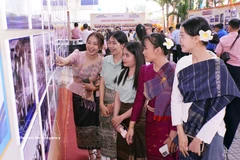
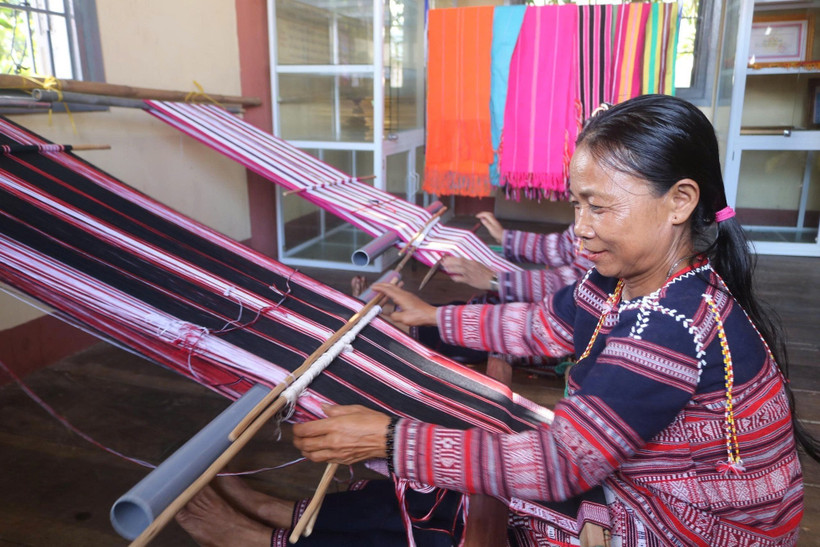
Ba Na women weaving traditional brocade (Photo: VNA)

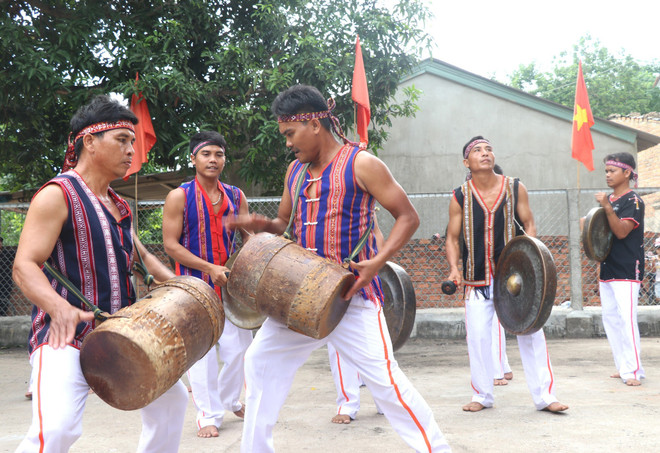
Dak Lak (VNA) – Xi Thoai hamlet, Xuan Lanh commune of the central province of Dak Lak has shaped a unique cultural identity with the distinctive musical art form known as “Trong doi, cong ba, chieng nam” (Double drums, triple gongs, quintuple chieng).

The music is part of the cultural fabric of the Ba Na ethnic minority group, and together with traditional brocade weaving, have been recognised as national intangible cultural heritages since 2016.

The implementation of the Xi Thoai community-based tourism service project has helped preserve these cultural values while creating sustainable livelihoods, and higher incomes for local residents.

Preserving traditional values


The Trong Doi, Cong Ba, Chieng Nam Festival in Xi Thoai hamlet, which takes place at the end of January each year, attracts strong interest from both locals and visitors thanks to the distinctive artistic expressions of Ba Na culture.

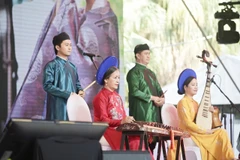
A highlight of the event is the performance of traditional ritual excerpts combined with drum and gong music. Amid the mountains and forests, the resonant sounds of gongs blend with drum rhythms that are sometimes gentle and flowing, sometimes lively and vibrant, creating a unique cultural space at the start of the Lunar New Year.

Local resident So Dun Toan said this festival is the most anticipated cultural activity of the year, with artisans practising for months to present their best performances. It is not only a traditional cultural activity but also a source of pride for the community.

According to Huynh Anh Tuan, Chairman of the Xuan Lanh commune People’s Committee, the Ba Na ethnic people in Xi Thoai have gradually restored festivals and cultural heritage, turning them into community-based cultural tourism products, especially traditional dances and drum and gong performances.
det-tho-cam-ba-na-3.jpg
Xi Thoai artisans perform gong and drum performance (Photo: VNA)

Alongside gong-related activities, the locality also organises brocade weaving and traditional handicraft contests, culinary events and exhibitions of ethnic products, providing opportunities for exchange, learning, and cultural promotion.

Developing tourism to raise incomes


Xi Thoai hamlet has more than 200 households and around 600 residents, 95% of whom are Ba Na people. With support from local authorities, the tourism sector and international organisations, the hamlet has evolved from a mountainous cultural village in 2000 into a community-based tourism village in 2014, and was recognised in 2024 as a traditional brocade weaving craft village.

In the same year, with support from a Netherlands–Vietnam organisation, a community tourism cooperative with 14 members was established, offering cultural performances, brocade weaving experiences, traditional rice wine, sightseeing and outdoor activities for visitors.

Artisan Dinh Van May said participation in the cooperative has enabled him and other artisans to perform more frequently, helping spread Ba Na cultural values while earning additional monthly income.

Visitors have also been impressed. Ho Dinh Loi from Ho Chi Minh City said he was struck by the powerful gong performances in a majestic natural setting and hopes to return for an overnight stay to explore local tourism products more deeply.

Brocade weaving is another cultural highlight. Handwoven scarves, bags and skirts feature distinctive ethnic patterns. Once at risk of fading due to limited markets, the craft has been revived with official and social support, providing both income and cultural preservation.

Nguyen Thi Ri, a local artisan, said each pattern reflects Ba Na life and culture, requiring patience and skill to complete.

Le Van Khuong, head of the community tourism cooperative, said rural and agricultural tourism is increasingly attractive to visitors seeking authentic local experiences, offering opportunities for mountainous areas like Xi Thoai to promote culture and boost socio-economic development.

The Chairman of the Xuan Lanh Commune People’s Committee added that the community-based tourism model is a key step in harmonising cultural and natural potential. The commune will continue encouraging homestays, experiential tours, infrastructure investment and skills training to attract visitors, create sustainable jobs and improve local living standards./.
VNA

See more

VinFast expands presence in Southeast Asia

VinFast expands presence in Southeast Asia

Indonesia's PT Sembilan Benua Abadi is expected to purchase 10,000 VinFast EVs by the end of 2027, while PT. Satu Kosong Tujuh plans to acquire 10,000 units by the end of 2028. All vehicles will be deployed for commercial transportation services.

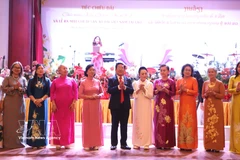
The Executive Committee of the Vietnam Ao Dai Heritage Club in Laos make debut. (Photo: VNA)

Ao dai helps promote Vietnamese culture in Laos

The club operates under the Vietnam Ao Dai Heritage Club of the Vietnam Cultural Heritage Conservation Support Fund, aiming to preserve and promote the values of the Vietnamese traditional dress among the Vietnamese community in Laos.

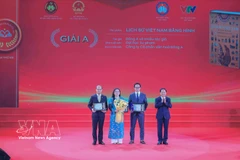
Head of the Party Central Commitee's Commission for Information, Education and Mass Mobilisation Trinh Van Quyet (first, right) presents A prize to the winning authors and groups of authors. (Photo: VNA)

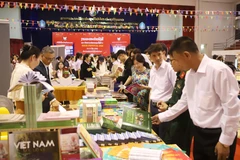
More than 50 outstanding books honoured at 8th National Book Awards

Two A prizes, the highest distinction of the awards, were granted to Lich su Vietnam bang hinh (Vietnamese History in Pictures) by Dong A and multiple authors, jointly published by the Publishing House of Hanoi National University of Education and Dong A Culture Joint Stock Company.

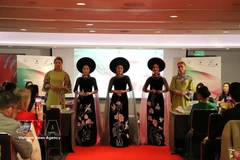
An Ao dai collection of Lan Huong brand is introduced at the event (Photo: VNA)

Journey to bring Vietnam’s 'Ao dai' to global fashion stage

With support from the Embassy of Vietnam in the UK, Vietnamese associations across Europe, as well as business and artistic communities, the initiative seeks to establish the 'Ao dai' brand on the world fashion map. After London, the project is expected to travel to Paris and Milan, two of the world’s leading fashion capitals, to further showcase Vietnam’s cultural identity.

Tokyo Girls Collection will launch a fashion and music festival in Vietnam. (Photo: www.sggp.org.vn)

Tokyo Girls Collection Vietnam 2026 to debut in Ho Chi Minh City

The first day of TGC Vietnam will be open to the public free of charge and focus on fashion and lifestyle experiences. Activities will include Vietnam–Japan cultural exchanges, food and shopping spaces, Harajuku-inspired check-in areas, and runway shows featuring Japan’s distinctive fashion DNA.

An art performance at the event (Photo: VNA)

Vietnamese culture promoted in France

It featured traditional melodies such as the ‘dan tinh’ (a kind of musical instrument) and 'then' singing of the Tay ethnic group, Quan ho (love duet) folk songs from Bac Ninh, as well as northern and southern Vietnamese folk music, 'cai luong' (reformed opera) excerpts and well-known songs celebrating the homeland, spring and love.

An exhibition of paintings and books titled “Vietnamese Soul on French Soil” opens on March 7 in Val-de-Marne, part of the Ile-de-France region. (Photo: VNA)

Exhibition of paintings and books celebrates Vietnamese spirit in France

More than an art exhibition, the event brought together Vietnamese intellectuals and artists living in France who, despite building successful careers abroad, have continued to maintain strong ties with the homeland. It also attracted French friends who have long-standing connections with Vietnam and hold deep affection for the country.

Ao dai (traditional long dress) and other traditional Vietnamese attire showcased at the Vietnam Festival 2026 in Osaka (Photo: VNA)

Vietnam Festival 2026 in Osaka spreads Vietnamese culture

Vietnam Festival 2026 in Japan is not only a cultural celebration rich in Vietnamese identity for the community in Japan, but also a vivid symbol of solidarity and close ties among overseas Vietnamese towards their homeland.

Chef Anna Le (in red dress) shares techniques and secrets for preparing Vietnamese vegetarian dishes using simple yet flavourful ingredients. (Photo: VNA)

Vietnamese vegetarian cuisine promoted to diplomatic community in US

In Vietnam, vegetarian food is not merely a dietary choice but also a philosophy rooted in peace, compassion, and a deep respect for nature. It reflects the Vietnamese soul - gentle yet flavourful, simple yet sophisticated. Familiar ingredients such as lotus seeds, tofu, mushrooms and fresh herbs are transformed into light, nutritious dishes that embody the essence of Vietnamese gastronomy.

A performance of Vietnamese artists at the opening ceremony of the 11th Japan-Vietnam Festival (Photo: The organising board)

Vietnam–Japan festival strengthens people-to-people ties

After more than a decade of development, the Japan-Vietnam Festival in Ho Chi Minh City has become a significant international cultural exchange event and a vivid symbol of the strong and enduring friendship between the two nations.

Visitors admire a large driftwood sculpture measuring nearly 25 metres in length and weighing around 20 tonnes, regarded as one of the most intricate works of its kind in Vietnam. (Photo: VNA)

Driftwood “museum” in middle of Tien River

What were once tree trunks lying silently beneath the muddy waters have, through his hands, become singular sculptural works, forming an unusual visitor attraction amid the waterways of southern Vietnam.