Hanoi (VNA) – Vietnam’s “One Commune, One Product” (OCOP) programme has emerged as a significant driver of rural economic development, helping to elevate the value of local specialties while positioning them for international markets.
After more than seven years of implementation, the initiative is entering a new phase with greater focus on building sustainable consumption networks and expanding its global reach.
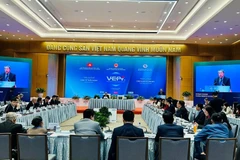
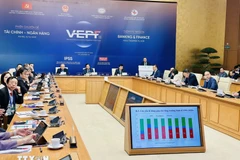
The message was underlined at a conference on OCOP product promotion and market connectivity held in Hanoi on September 29 by the Industry and Trade newspaper and the Domestic Market Department under the Ministry of Industry and Trade.
Launched in 2018, the OCOP programme has revitalised rural economies by enhancing the value of agricultural goods and reviving traditional products across the country.
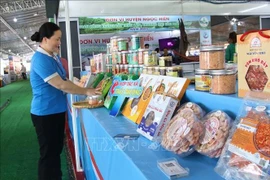
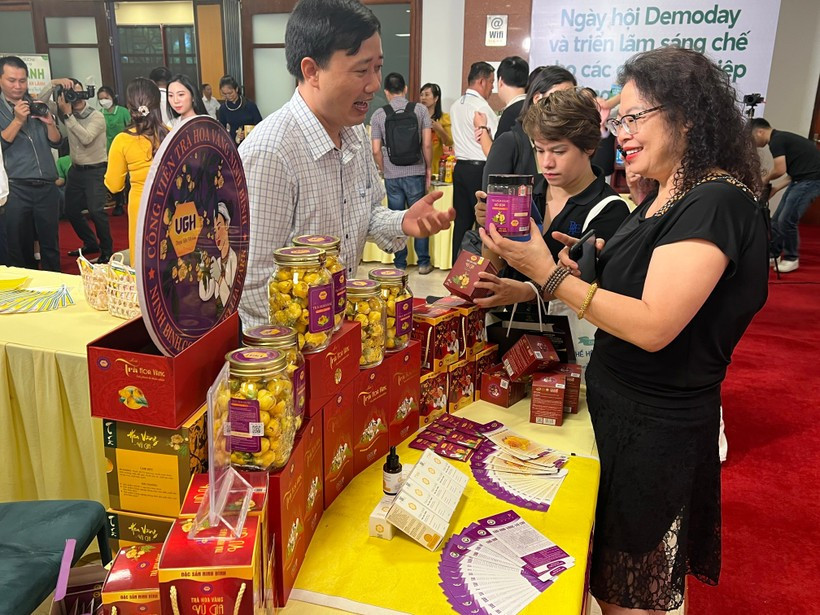
As of July 2025, Vietnam had 17,068 certified OCOP products rated three stars or higher, including 126 products with the highest national five-star ranking. Categories range from regional specialties, processed food, beverages, and handicrafts to medicinal herbs, natural cosmetics, and community-based tourism services.
According to Deputy Director of the Domestic Market Department, Bui Nguyen Anh Tuan, these figures highlight not only the improved quality of OCOP goods in the domestic market but also their growing presence internationally.
For many observers, OCOP products embody more than commercial value. They represent cultural heritage, innovation, and the aspirations of local communities, from smallholder farmers to cooperatives and private enterprises.

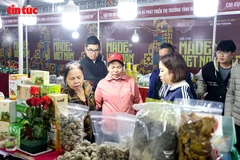
At the provincial level, success stories are multiplying. Bac Ninh now boasts 751 OCOP products rated from three to five stars. Notable examples include lychee fruit, Chu rice noodles, An Thinh garlic, Bui fermented pork rolls, and Dong Ho folk paintings. Lychee from Bac Ninh alone has reached more than 30 countries and territories, while being distributed through major retail chains such as GO, Big C, Aeon, Winmart, and Lotte Mart.
Nguyen Thi Hiep, Deputy Director of the provincial Department of Industry and Trade noted that thanks to the OCOP programme, more than 60% of producers in Bac Ninh report average revenue growth of 18% annually, generating thousands of jobs and improving rural living standards.
ADB officials and domestic trade experts agree that the next step for OCOP is to enhance product quality and sustainability. The Ministry of Industry and Trade has called for efforts to upgrade products from three- and four-star levels to four- and five-star ratings, aligning them with both national and international benchmarks.
Nguyen Ba Hai, Deputy Director of the Investment Promotion Centre for the Development of Industry and Trade, said that upgrading OCOP products is not just about earning more stars. It means improving the entire value chain from raw materials and production processes to packaging and traceability. Stronger standards, he argued, will make Vietnamese goods more competitive in global markets.
Stable distribution channels are also seen as critical. Strengthening links between cooperatives and large distributors or exporters is considered a “lifeline” for ensuring that OCOP products maintain a foothold at home while expanding abroad.
Digital platforms are increasingly viewed as a gateway for OCOP products to reach global consumers. Bringing goods onto e-commerce sites such as Amazon and Alibaba, while equipping cooperatives with digital skills, online marketing strategies, and live-streaming techniques, is regarded as the fastest path to international visibility.
Nguyen Van Nam, Director of the Nam The Chu Rice Noodle Cooperative, said participation in e-commerce had already helped his cooperative expand its market reach and connect more effectively with consumers both domestically and overseas.
Officials argue that digital transformation, coupled with stronger logistics partnerships, will enable small-scale producers to overcome traditional barriers of scale, geography, and distribution.
In the coming time, policymakers emphasise the importance of strengthening coordination among ministries, local authorities, enterprises, and communities.
The Ministry of Industry and Trade is integrating OCOP promotion into national trade promotion and branding programmes, aiming to position OCOP products as symbols of quality, sustainability, and cultural identity. Between 2026 and 2030, the initiative will be expanded further, with greater integration into cultural and tourism experiences, alongside wider use of digital tools in management and operations.
Observers note that the programme’s success lies not only in its economic outcomes but also in its ability to act as a bridge between tradition and modern commerce. By merging local culture with international trade practices, OCOP is gradually reshaping rural economies while giving Vietnamese products a stronger foothold in global markets.
With continued policy support, digital innovation, and closer market linkages, OCOP is expected to play an even greater role in raising the profile of Vietnamese agricultural products worldwide transforming local strengths into global opportunities./.