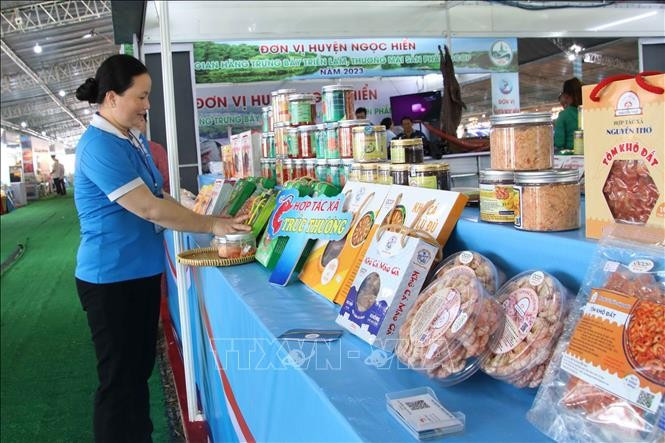
Hanoi (VNA) - Integrating products under the OCOP (One Commune - One Product) programmes into community-based tourism not only promotes local heritage but also paves the way for sustainable rural economic growth.
OCOP products: Bridging tourism and local culture
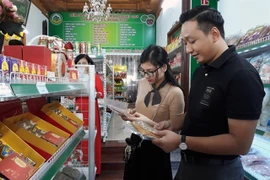
More than just purchasing souvenirs, contemporary travellers seek hands-on experiences - observing production processes, hearing traditional craft stories, and engaging deeply with local culture.
This shift has encouraged travel companies to include OCOP products such as Ben Tre coconut candy, Dong Thap lotus tea, Lam Dong civet coffee, and Moc Chau tea and dairy products within their community tours.
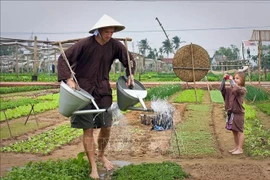
Tours in Cai Be allow visitors to pick fruit straight from the garden, taste fresh produce, and learn about OCOP-standard fruit processing methods. In Van Phuc silk village, tourists explore traditional weaving, while Bat Trang offers pottery-making workshops where visitors can create and keep ceramics.
According to Pham Anh Vu, CEO of the Vietnam Media Travel Corporation, “We select products not only for their quality but for their ability to tell the stories of the people, culture, and craftsmanship behind them.”
Hoang Thuy Linh, Deputy Director of Marketing at Saigontourist Travel, emphasises that OCOP products incorporated into tours should meet three key criteria - a strong regional identity, engaging experiential opportunities, and active participation from local communities. “When residents partner with businesses as service providers, the value of tourism spreads sustainably,” she noted.
From a market perspective, Nguyen Tran Hoang Phuong, Chairman of Golden Smile Development Corporation, explains that inbound tourists particularly enjoy interactive experiences such as making products, cooking local dishes, and crafting by hand. “This is why we tailor tours according to target demographics to provide the most suitable content,” he added.
Overcoming challenges, strengthening partnerships
Despite significant potential, many operators acknowledge persistent challenges to scaling and systematising the OCOP-community tourism model.
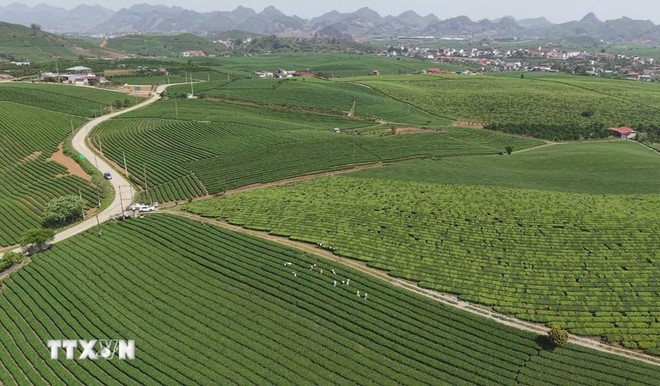
Pham Anh Vu highlights that many OCOP products fall short in aesthetics or lack compelling storytelling that resonates with international visitors. Additionally, some production hubs have yet to invest adequately in tourism infrastructure, including visitor reception services, guiding teams, accommodation, and hygiene standards.
Some homestays in remote areas, despite their unique appeal, don't meet basic requirements in cleanliness, amenities, or language skills, he said. “To elevate tour quality, we recommend comprehensive training programmes for locals covering guest reception, product presentation, storytelling, and crisis management.”
Phuong also advocated for professional communication of heritage stories, craftsmanship traditions, and entrepreneurial journeys tied to OCOP products to deepen cultural value. “A product with a meaningful story is more likely to attract customers, not just for its quality but for its significance,” he stressed.
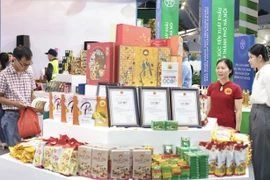
Another issue is the dispersed distribution of OCOP products across regions, complicating access for visitors. Phuong suggests that authorities should organise centralised OCOP product exhibitions, ensure transparent pricing, integrate services, and facilitate easier access to local goods.
This synergy creates economic value and offers a platform for locals to share their cultural narratives with visitors. Yet, for the model to truly flourish, experts said a cohesive strategy involving government, enterprises, and communities is essential. At the same time, accelerating digital transformation by developing unified platforms for OCOP promotion, e-ticketing, customer feedback, tour management, and real-time service quality monitoring is critical./.