Phu Quoc: The “hidden island” now shining in Singapore’s media spotlight

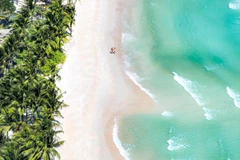
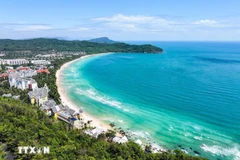
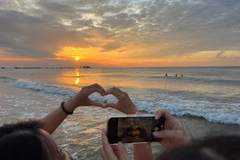
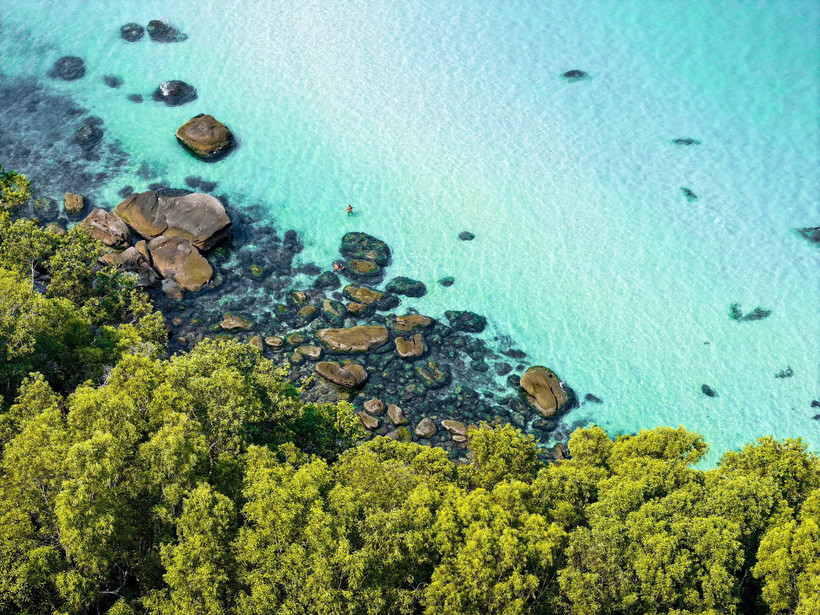
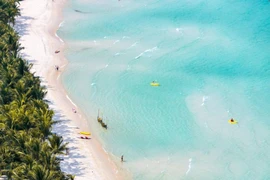
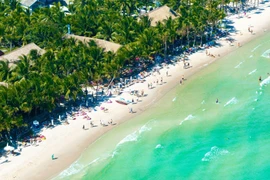
In Sarah’s view, Phu Quoc’s beaches are “picturesque,” with Kem Beach standing out most - home to the JW Marriott Phu Quoc Emerald Bay Resort, designed by architect Bill Bensley.

The stunning beaches of Phu Quoc make it a true tropical paradise. (Photo: Fatel Belek)

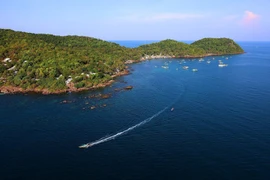
Hanoi (VNA) - The Straits Times, Singapore’s most established newspaper, calls Phu Quoc Vietnam’s “hidden paradise island”. Pearl Island is gaining increasing popularity with international travellers thanks to its blend of food, entertainment, and resort experiences, along with “picturesque beaches.”

Reporter Sarah Stanley spent a four-day weekend on the island. She admits Phu Quoc remains unfamiliar to many Singaporeans, but notes that direct flights from Singapore are making it ever more accessible. On her first visit, she was surprised again and again, and compiled a list of must-try experiences: relaxing on beaches, enjoying seafood, strolling the European-inspired Sunset Town, immersing in high-energy attractions, and exploring local culture
pink-pearl1.jpg
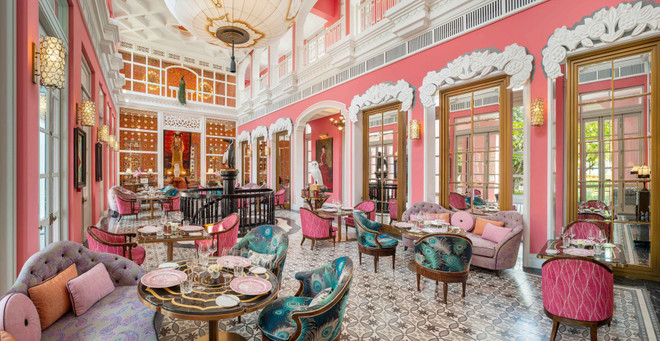
Pink Pearl is guided by a chef with 30 Michelin stars (Photo: Sun Group)

In Sarah’s view, Phu Quoc’s beaches are “picturesque,” with Kem Beach standing out most - home to the JW Marriott Phu Quoc Emerald Bay Resort, designed by architect Bill Bensley. She described the beach and resort as “something out of a movie.” She also recommended Sao beach, Ong Lang beach, and Vung Bau beach as excellent choices for swimming and lounging on soft sand.

Sarah also urged readers to savor the island’s fresh seafood such as crab, squid, and scallops at local eateries. For fine dining that blends local ingredients with international flair, she suggested Mare at La Festa Phu Quoc, Curio Collection by Hilton, with its Mediterranean menu, or Pink Pearl at JW Marriott Phu Quoc Emerald Bay Resort. She wrote: “Even now, I still dream of that meal. Blue lobster in tandoori sauce over a creamy panna cotta-like base, and seared Hokkaido scallops in tangy uni emulsion.”
sunset-town-6-11zon.jpg
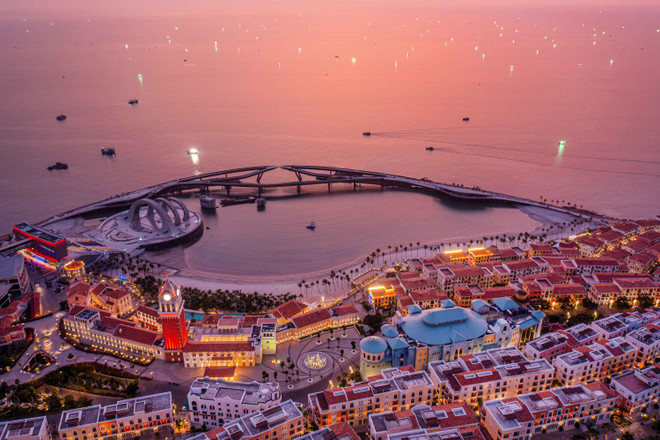
The Straits Times reporter is captivated by the romantic beauty of Sunset Town. (Photo: Sun Group)

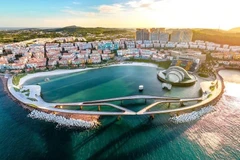
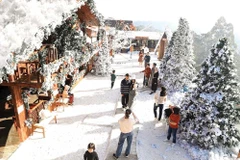
Beyond beaches and dining, Sarah found Sunset Town in the island’s south to be a major highlight.

“Colourful stucco buildings with red-tiled roofs line sloping streets, and doors and windows feature rococo archways” she described the town. A 75-metre red-brick clock tower, inspired by the Campanile in Venice, dominates the town as its landmark. Within its grounds lies La Festa Phu Quoc, a hotel recreating the spirit of southern Italy’s Amalfi Coast with its white arches, palm trees, and brightly tiled rooms.

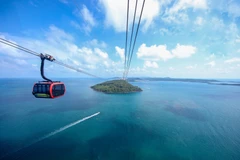
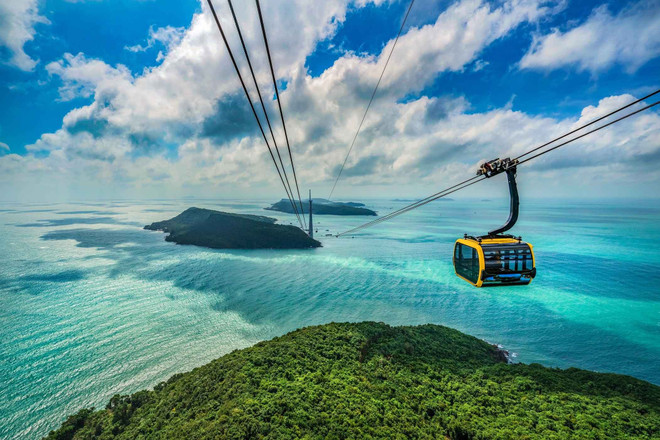
Sarah was also impressed by Phu Quoc’s vibrant entertainment ecosystem. She rode the world’s longest three-wire cable car to Hon Thom Island, home to the Sun World Hon Thom complex. There, she explored Aquatopia Water Park, one of Southeast Asia’s most modern, with more than 20 rides, and experienced “Angry Wooden Snake” Vietnam’s only wooden roller coaster, stretching over 900 metres.
hon-thom-cable-car.jpg
The record-breaking cable car takes visitors to the world-class Sun World Hon Thom entertainment complex. (Photo: Sun Group)

At dusk, Sunset Town takes on a romantic glow. Walking along the Kiss Bridge (Cau Hon) is a must, especially since the bridge was designed so that on January 1 the sun sets directly in the gap between its two arms. Sarah described it as “an architectural wonder,” a place where natural romance meets human creativity.

The evening concluded with the Kiss of the Sea multimedia show, staged at the world’s largest outdoor water projection theatre. With its mix of fire, water, lasers, music, and dazzling fireworks, Sarah called it a “feast for the eyes” and emphasized that it was “truly mesmerising.”

kiss-of-the-sea.jpg
An must-go activity for any visitor to Sunset Town (Photo: Sun Group)

On her final day, Sarah turned to culture and history. She visited the Phu Quoc Prison, also known as Coconut Tree Prison, built by the French in 1946 and once the largest in Southeast Asia. It was used to hold and torture prisoners during the Vietnam War. Just across the road, she discovered Phu Quoc’s pride: its fish sauce industry. Locals still judge fish sauce not only by flavour but also by its deep amber color, a tradition passed down for generations.

Reflecting on her trip, Sarah noted how unfamiliar the island still is to Singaporeans: “Almost everyone I told about my four-day trip responded with a questioning look: ‘Where?’ as if I had invented the name.” But she emphasised that this novelty represents a major opportunity for Phu Quoc as more direct flights are added.

Justin Kim, general manager of La Festa Phu Quoc, Curio Collection by Hilton echoed her observation: “Phu Quoc is transforming powerfully. This year, our low season didn’t feel like a low season. We were nearly fully booked consistently, and I think the future will only get better because so many new things are coming”./.
VNA

See more

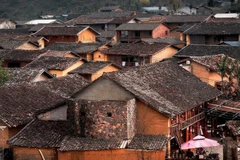
A rammed-earth house of the Mong ethnic community in the mountainous province of Tuyen Quang. (Photo: VNA)

Heritage fuels distinctive destination brands across Vietnam

As localities move beyond resource-based tourism towards value-driven cultural development, they are creating distinctive destination brands while reinforcing Vietnam's position as a culturally rich and compelling destination on the global tourism map.

Foreign tourists explore Hoi An ancient town in Da Nang city. (Photo: VNA)

Tourism sector pivots to quality-led growth in second half of 2026

According to the Vietnam National Authority of Tourism (VNAT), Vietnam welcomed 12.3 million international visitors in the first six months of 2026, up 15% year-on-year. The figure is the highest first-half number in recent years and puts the country close to halfway towards its target of 25 million foreign arrivals this year.

Travel guide Lonely Planet describes Da Nang as an outdoor lover’s paradise. (Photo: VNA)

Da Nang proves Lonely Planet right as Asia’s must visit summer destination

According to Lonely Planet, Da Nang stands out for its harmonious blend of beautiful beaches, an energetic yet relaxed lifestyle, a rich culinary scene and a diverse range of experiences spanning nature, culture, leisure and entertainment. The city is also praised as an ideal gateway to central Vietnam, offering convenient access to Hoi An, Hue and My Son Sanctuary.

Sun PhuQuoc Airways' new aircraft livery (Photo: Sun Group)

Vietnam's newest airline races from Phu Quoc onto the global stage

Sun PhuQuoc Airways, the airline of Sun Group, officially launched in October 2025 and began commercial flights the following month, entering a Vietnamese aviation market riding a wave of post-pandemic recovery, but also grappling with rising costs, fleet constraints, talent shortages, infrastructure pressure, and intensifying service competition. Less than a year in, this newcomer has already made its presence felt.

A Korean tourist family poses for a photo in the coastal city of Da Nang. (Photo: VNA)

Vietnam remains second most popular destination for Korean tourists

Japan remained the top destination, attracting about 951,000 Korean visitors, accounting for 40.6% of total outbound tourists. Vietnam ranked second with approximately 278,000 visitors, followed by the US with 100,000, Taiwan (China) with 79,000, Thailand with 64,000, the Philippines with 61,000 and Hong Kong (China) with 59,000.

Tourists explore a tourist attraction in Hue city. (Photo: VNA)

Wellness tourism helps Hue shape identity as Asia’s emerging "healing city"

The development of wellness tourism is also aligned with the Politburo's Resolution No. 57-NQ/TW on breakthroughs in science and technology development, innovation and national digital transformation. For Hue, the strategy provides an opportunity to combine modern medicine with traditional healthcare, biotechnology, indigenous medicinal herbs and tourism to create high-value services.

Keo Hanh Thien Pagoda is recognised as a special national relic in 2016. (Photo: VNA)

Digitalising rural heritage to boost tourism

Authorities in Xuan Hong commune of the northern province of Ninh Binh are leveraging digital technology to preserve cultural heritage and promote rural tourism, with the centuries-old Keo Hanh Thien Pagoda serving as the centrepiece of the initiative.

Discover Moscow offers a comprehensive hub of practical travel information, seasonal itinerary ideas and useful tips for visitors planning a trip to the Russian capital. (Screenshot)

Discover Moscow debuts Vietnamese-language tourism platform

Accessible at https://discover.moscow/vi, the platform provides a one-stop source of travel information, featuring practical guidance, seasonal itineraries and planning tips for visitors. It showcases the city's key attractions, cultural routes, parks, events, restaurants, shopping destinations and family-friendly activities, enabling travellers to organise their trips before arriving in Moscow.

Boat tours in Cam Thanh village, Da Nang city, generate significant income for local residents. (Photo: VNA)

Rural tourism draws strength from indigenous culture

Vietnam currently has more than 600 agricultural and rural tourism models, generating over 25 trillion VND (956 million USD) in annual revenue. The sector has become an important source of income for many rural communities seeking to diversify their livelihoods.

Located about 200 km from Hanoi, Ta Xua in Son La province is widely regarded as one of the most spectacular cloud-hunting destinations in northern Vietnam. (Photo: VNA)

Ta Xua sets sights on sustainable tourism

Ta Xua is rolling out a campaign titled “Bringing Ta Xua to the world” and aims to establish the image of “Ta Xua - a sea of clouds, majestic nature and Mong cultural identity” during the 2028-2030 period.