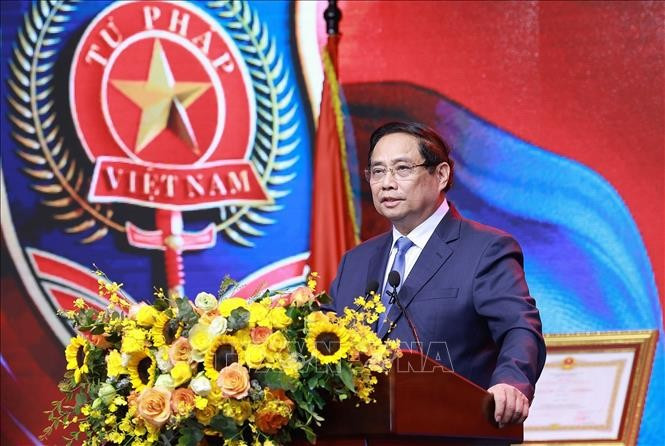
Hanoi (VNA) – Prime Minister Pham Minh Chinh has urged the justice sector to take the lead in implementing the Politburo's Resolution 66-NQ/TW on renovating lawmaking and enforcement, turning bottlenecks into breakthroughs, and enhancing national competitiveness.
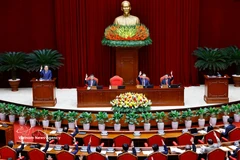
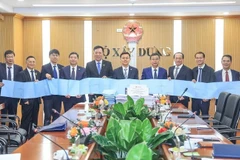
Attending a ceremony to celebrate the 80th anniversary of the justice sector’s traditional day (August 28, 1945 – 2025) in Hanoi on August 25, the PM expressed deep gratitude to President Ho Chi Minh, who laid the foundation for Vietnam’s revolutionary democratic justice system, and always emphasised the importance of the Constitution and laws in state and social governance from an early stage. He noted that even at the outset of his quest for national salvation, President Ho Chi Minh demonstrated a forward-looking vision of the law’s role in protecting human rights and serving as a shield against oppression and exploitation.
Recalling milestones and commending achivements of the sector in its 80-year journey, PM Chinh highlighted its efforts and proactivity in building the rule of law, strictly enforcing legal regulations, effectively implementing civil cases, improving personnel organisation, and extensively boosting international cooperation.
In recent years, the Ministry of Justice and the sector have played a key role in driving strategic breakthroughs in institutional building and reform. The ministry has affirmed its role as both a “development architect” and a “legal gatekeeper” of the Government, with the task of appraising all draft laws and ordinances before submission to the Government and the National Assembly.
He applauded the sector for closely following the Party Central Committee’s resolutions and directives, as well as guidance from the NA, the Government, and the PM, saying that it has focused on proposing major policy directions in legal and judicial reform; building and perfecting the socialist rule-of-law state; improving the socialist-oriented market economy; and revising the legislative process to “enhance the productivity and quality of lawmaking.”
Notably, the sector advised the Politburo to issue Resolution No.66 on reforming lawmaking and enforcement to meet the country’s development requirements in the new era; and have led and taken part in drafting many draft laws that need to be urgently revised and promulgated to meet the demands of administrative apparatus organisation and arrangement.
Stressing the need to raise awareness of lawmaking and enforcement across the political system, and to build a streamlined and effective justice system with a competent legal workforce, the PM urged the sector to focus on removing institutional and legal bottlenecks, thus creating breakthroughs in mobilising and using resources effectively, and momentum for the country to confidently enter a new era of strong, prosperous, and civilised development.
He called on the ministry to pay special attention to speeding up institutional reform; improving the quality of lawmaking; addressing legal obstacles arising from practical needs; reviewing and systematising, and codifying laws; promoting decentralisation and delegation in lawmaking and enforcement; and strengthening legal dissemination and education.
Emphasising the need to basically resolve legal “bottlenecks” by 2025, the PM stressed that this is a task for the entire political system, sectors and localities, with the Ministry of Justice at the centre.
He requested the justice sector to strengthen the Party leadership in building and perfecting the socialist rule-of-law state; renew mindset in lawmaking by shifting from a “management” mindset to “service”; eliminate the mindset of “banning what cannot be managed”; and create breakthroughs in law enforcement by fostering a culture of compliance and respect for the rule of law.
The PM urged the sector to follow the principle of “transparent institutions, seamless infrastructure, and smart governance,” while strengthening oversight mechanisms to prevent, detect, and strictly address corruption, misconduct, and policy abuse in law enforcement.
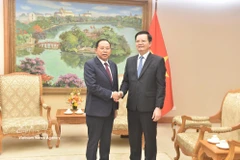
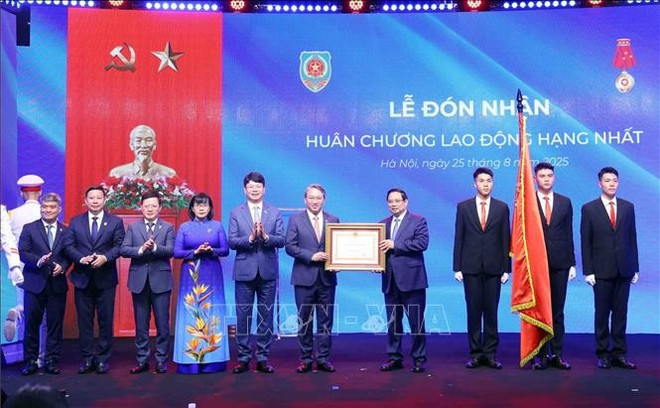
On the occasion, the PM presented the first-class Labour Order to the Ministry of Justice, while Deputy PM Le Thanh Long awarded the third-class Labour Order to several officials of the ministry in recognition of their outstanding contributions to lawmaking and enforcement./.