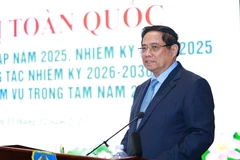
Hanoi (VNA) – Vietnam’s national target programme for the socio-economic development in ethnic minority and mountainous areas for 2021–2025 must be implemented “no matter how difficult” and deliver tangible, effective results, said Prime Minister Pham Minh Chinh.
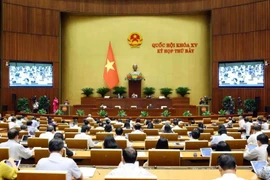
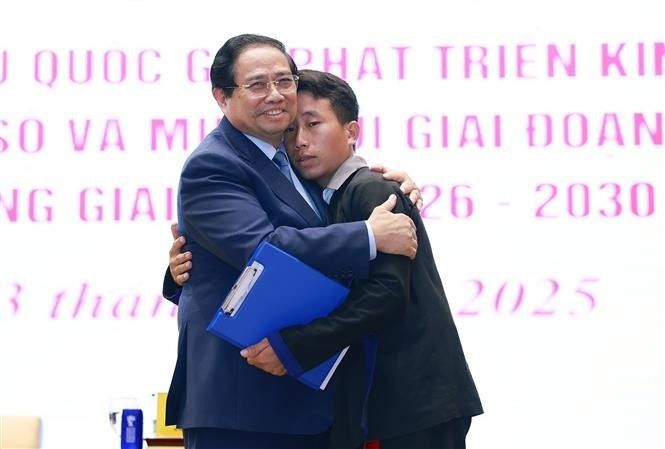
Addressing a nationwide conference in Hanoi on August 13 to sum up the programme’s progress and set orientations for 2026-2030, PM Chinh called for faster action to translate the Party’s guidelines and State policies into reality, in line with directions of the Politburo and Party General Secretary To Lam. The programme must focus on steadily improving the material and spiritual well-being of ethnic minority and mountain communities, with each year’s progress surpassing the previous, he said.
The programme should ensure equal access to education, healthcare, culture and national resources, while creating jobs and livelihoods to lift residents out of poverty and toward prosperity. The PM urged practical, specific, feasible and verifiable targets to ensure no one is left behind in Vietnam’s new development phase, he said.
The PM laid out 10 key tasks and solutions, stressing that investing in these communities is both a responsibility and a moral commitment rooted in national solidarity and humanity. The effort requires genuine and results-driven action, backed by concrete laws and mechanisms from all levels of the political system, including Party committees, authorities, the Vietnam Fatherland Front, and socio-political organisations, with the highest determination.

Poverty reduction must be equitable, prioritising vulnerable groups, with funding allocations 10–15% higher than the previous phase, drawn from state budget and public resources, he said.
According to him, the Government will intensify oversight and channel legal resources into job creation and livelihoods, equal access to healthcare, especially grassroots and preventive services, and school upgrades. Investments will also target transport, telecommunications, electricity, and water infrastructure for lasting impact. Relevant agencies must develop policies to foster inter-ethnic community links, support cooperatives and enterprises, and leverage sci-tech and digital transformation to boost local economies and social welfare. Projects should also tackle climate change, enhance social welfare, expand quality and low-emission rice cultivation, safeguard national defence-security, and engage respected community leaders, village elders, and religious figures.
The Government leader called for priority policies aligned with the Politburo’s “four-pillar” resolutions and upcoming resolutions on healthcare, education, and culture. Cultural identity, language, and scripts of ethnic groups must be preserved and turned into assets, with growth in cultural and entertainment industries so communities can enjoy their own heritage. Relevant agencies will design preferential credit packages, fiscal and land access policies, and tax relief to support sustainable poverty reduction and wealth creation. Tools to measure the effectiveness of Party and State policies and actions by central and local authorities will be built.
Representatives from the United Nations Development Programme and the UN Resident Coordinator in Vietnam pledged continued support for the programmne in pursuit of Vietnam’s sustainable, comprehensive and inclusive growth goals.
On the occasion, 18 exemplary communes and villages were awarded with the PM’s certificates of merit for their standout contributions to the 2021–2025 programme.
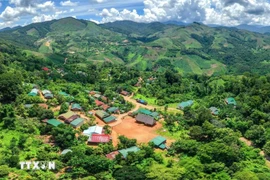
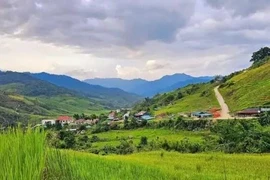
According to the Central Steering Committee for National Target Programmes, Vietnam’s 53 ethnic minorities, totaling over 14.4 million people, reside in about 1,516 communes across 32 cities and provinces following the recent local administration restructuring.
The 2021–2030 programme, encompassing 10 projects across multiple sectors, has a budget exceeding 137 trillion VND (5.26 billion USD) for 2021–2025. In its first five years, six task groups met or exceeded targets, including poverty reduction, per-capita income growth, education and vocational training, cultural heritage preservation, and healthcare. However, three areas lagged: upgrading technical and social infrastructure, reducing the number of communes and villages facing extreme difficulties, and addressing housing and farmland shortages for ethnic minorities./.