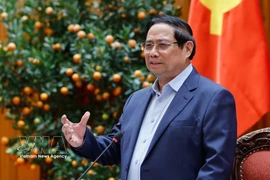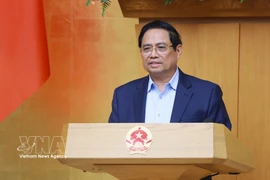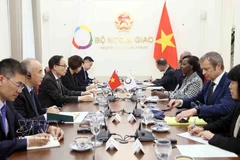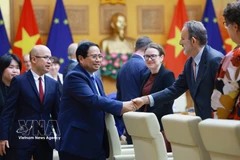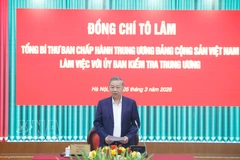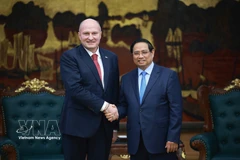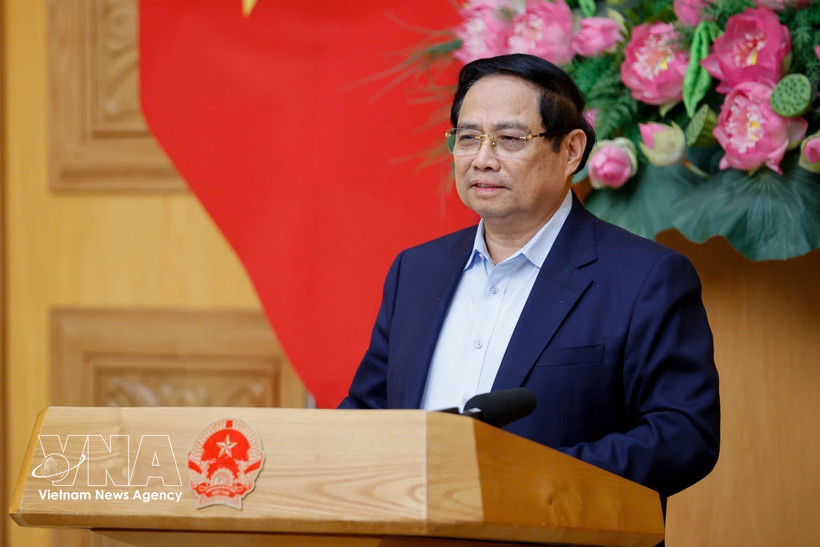
Hanoi, March 7 (VNA) – Prime Minister Pham Minh Chinh called for proactive, flexible and timely policy responses to rapidly evolving global developments, while chairing a meeting with the Policy Advisory Council on March 7.
At the meeting, participants discussed the socio-economic situation, global developments affecting Vietnam, and key tasks and solutions for the time ahead. They conducted a comprehensive review of both international and domestic conditions, identifying opportunities and challenges facing Vietnam’s economy while proposing practical measures to achieve rapid and sustainable growth in 2026 and the following years.
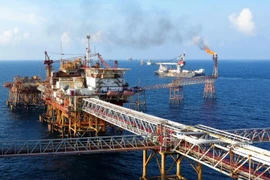
Participants agreed that the global environment has recently remained volatile, complex and unpredictable. Strategic competition among major powers is intensifying, while conflicts in several regions, particularly in the Middle East, continue to escalate, directly affecting maritime transport, supply chains and global energy prices. International financial, monetary and commodity markets have also experienced strong fluctuations, while development goals and trade policies of major economies are undergoing difficult-to-predict adjustments.
Amid these challenges, ministries, sectors and localities have focused on implementing the Resolution of the 14th National Party Congress and thematic resolutions of the Politburo, while decisively carrying out tasks before, during and after the Lunar New Year holiday.
Under the leadership of the Communist Party of Vietnam, headed by General Secretary To Lam, along with the support of the National Assembly, the decisive governance of the Government and the engagement of the entire political system, as well as the backing of people and businesses, Vietnam’s socio-economic situation has continued to show positive trends and stronger performance than the same period last year across most sectors.
At the event, participants also discussed key policy issues to help Vietnam achieve economic growth of around 10% in 2026 while maintaining macroeconomic stability, controlling inflation and ensuring major economic balances. They also examined response scenarios for external risks, including ensuring energy security and stable supply chains, particularly in relation to potential impacts from Middle East tensions and oil price fluctuations, while stimulating domestic consumption, promoting exports and accelerating public investment disbursement.
Concluding the meeting, PM Chinh expressed appreciation for the constructive and responsible opinions of ministry leaders and Policy Advisory Council members. He assigned the Ministry of Finance and the Government Office to incorporate the meeting’s recommendations into socio-economic management scenarios and submit them to the Government soon.
Emphasising the need to remain steadfast in maintaining macroeconomic stability, controlling inflation and achieving growth of about 10% while ensuring major economic balances, the Prime Minister said ministries, agencies and localities must proactively and creatively implement the Resolution of the 14th National Party Congress and the Politburo’s thematic resolutions, as well as directions from General Secretary To Lam on rapid and sustainable national development in the new era and strengthening the economy’s resilience to external shocks.
Analysing the global situation, the Prime Minister noted that instability in the Middle East and policy adjustments by major economies have directly affected macroeconomic management, disrupting maritime, aviation and logistics activities, creating energy security concerns and impacting production, business operations and people’s livelihoods.
He therefore stressed the need to closely monitor developments and respond with proactive, flexible, timely and effective policies.
“In the face of greater challenges, it is essential to remain steadfast, calm and well-informed, applying appropriate approaches and methodologies to turn challenges into opportunities,” he said.
The Prime Minister emphasised the need for both short-term and long-term solutions, as well as coordinated macro- and micro-level measures. Domestic resources should be considered the fundamental, strategic and decisive factor, combined with external resources as an important, breakthrough and regular driver.
On that basis, he called for measures to ensure stable supplies of fuel, electricity and energy, while also viewing current challenges as an opportunity to accelerate the green energy transition and better harness the country’s potential and competitive advantages.
To maintain macroeconomic stability, he stressed the importance of coordinated, flexible and effective macroeconomic management, particularly close coordination between fiscal and monetary policies.
Monetary policy should be managed proactively and flexibly to stabilise exchange rates and interest rates and strengthen national reserves, thereby supporting macroeconomic stability, inflation control and sustainable growth.
At the same time, the Government should continue implementing an expansionary fiscal policy in a focused and targeted manner, increasing revenues, saving expenditures and encouraging production and business activities while considering stimulus packages if necessary, he stated.
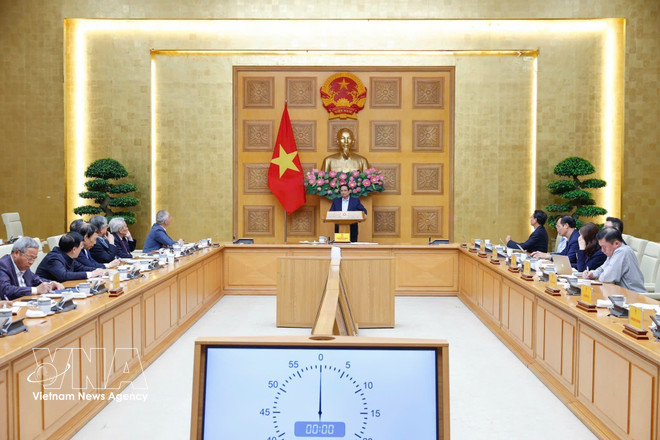
Priority should be given to channeling capital into production and business, accelerating public investment, selectively attracting investment, mobilising capital from the public and using existing resources more effectively. Authorities should also review tax and fee policies to support businesses and household enterprises, he added.
PM Chinh also stressed the importance of strengthening strategic autonomy, particularly in energy and national resources, while promoting decentralisation and empowering local authorities. Efforts should focus on removing obstacles, addressing stalled projects, resolving difficulties for household businesses and tackling bottlenecks related to land, electricity and natural resources.
He also called for total social investment to increase by about 5% compared with 2025 and for the Incremental Capital-Output Ratio (ICOR) to be reduced to around 5 through stronger public investment.
The Government leader also directed efforts to accelerate the training of high-quality human resources, stressing that people are the centre and decisive factor in national development.
He also called for reducing input costs for businesses and citizens by expanding infrastructure, cutting compliance costs through administrative reforms, improving the business environment and enhancing the competitiveness of enterprises, products and the overall economy.
Ministries, sectors and localities were urged to accelerate the development of science and technology, particularly artificial intelligence, while ensuring adequate electricity supply.
Authorities should also promote data-driven governance, stimulate domestic consumption and tourism, and expand social housing development with adequate infrastructure while broadening access and increasing supply to reduce housing costs. At the same time, Vietnam should expand export markets and diversify markets, products and supply chains./.