Tim Evans, Chief Executive Officer of HSBC Vietnam (Photo: Vietnam+)
Hanoi (VNA) - Tim Evans, CEO of HSBC Vietnam, said that in order to maximise its potential in the coming years, Vietnam needs to anticipate a series of seismic events in the world that are forecast to shape the future.
Tim Evans, Chief Executive Officer of HSBC Vietnam said Vietnam is on a strong recovery track as the country gradually puts the COVID-19 pandemic in the rear-view mirror.
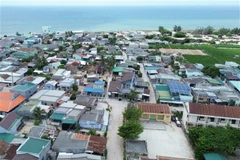
According to him, climate change is both a challenge and an opportunity for a country like Vietnam. As a country with a long coastline, a population of nearly 100 million and status as one of the world's largest rice exporters, rising sea levels and crop failure are a massive threat to the country. The Asian region, especially the Mekong Delta region, is currently at the forefront of risk to climate change.
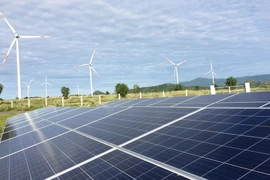
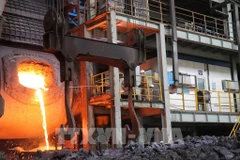
The HSBC representative maintained that Vietnam will need to make more efforts to reduce its dependence on coal as a source of electricity generation and export. Coal power currently accounts for about one-third of the country's electricity production. The government recently pledged to reduce the share of coal power to less than 10 percent by 2045 and develop the renewable energy sector to increase its share to more than 50 percent from the current 12 percent.
The Covid-19 pandemic has accelerated the transition to a digital society, stimulating changes in consumer behavior.
One of the major effects of the digital revolution is leveling the playing field globally, allowing countries like Vietnam to compete with more advanced economies. Businesses like VNG, MoMo and VNPay, the unicorns of Vietnam, are all able to compete in the international arena. He said to maintain the positive momentum, Vietnam needs to continue to invest in education and accessibility to build a thriving digital ecosystem that fosters innovation.
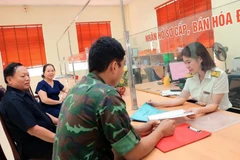
As for vaccination equality, Tim Evans said that COVID-19 is a reminder that the pandemic spares no one. Vietnam is a shining example of vaccination with the highest coverage rate in the world. The Ministry of Health set a target to complete the vaccination campaign for children aged 5 to 11 years in the second quarter of this year. Vietnam can share its experience and expertise to support neighboring countries to achieve herd immunity. Only when countries achieve vaccine coverage together can Southeast Asia maximise recovery.
 Vietnam is a shining example of vaccination with high coverage rates. (Source: VNA)
According to Tim Evans, COVID-19 continues to cause disruptions to global supply chains, but commercial activities remain the shortest and most direct route to economic growth.
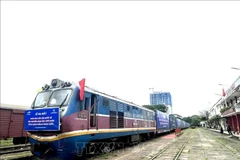
Up to now, Vietnam has joined 15 free trade agreements (FTAs), of which the most recent is the Regional Comprehensive Economic Partnership (RCEP) which has officially taken effect at the beginning of this year. The RCEP helped Vietnam become one of the most open economies in the world. These FTAs are expected to play an important role in promoting Vietnam's economic development this year.
As for geopolitics, according to Tim Evans, the conflict in Ukraine and geopolitical tensions in other parts of the world will continue to create unwanted instability in the global economy. In the context of international turmoil, Vietnam's open attitude and consistent stance on settling international disputes by peaceful means on the basis of international law is a respectable opinion.
Finally, regarding inequality and inclusive recovery, Tim Evans said that the impact of the pandemic is extremely large. Even after recovery, the “post-COVID sequelae” remained. That is inequality and debt growing together.
Mr. Evans recommended that Vietnam quickly recognize and deal with the significant impact of COVID-19 because low-income developing countries need vaccines and the necessary support to fight the pandemic./.